Top Rice News: PM Modi showcases India’s GI-tagged rice varieties to FAO
Top rice news today highlights PM Modi’s representation of India’s GI-tagged rice varieties such as Palakkadan Matta rice, Gobindobhog rice, Joha rice & Kalanamak rice, to the FAO. Notably, the presentation highlighted India's agricultural diversity, focus on nutrition and sustainability. Next top rice news deals with rise of Thai paddy prices as exporters expect rice demand recovery in the second half of 2026 and restrictions on Indonesia’s rice oversight to boost national food security.
PM Modi showcases India’s GI-tagged rice varieties to the FAO chief during Italy visit
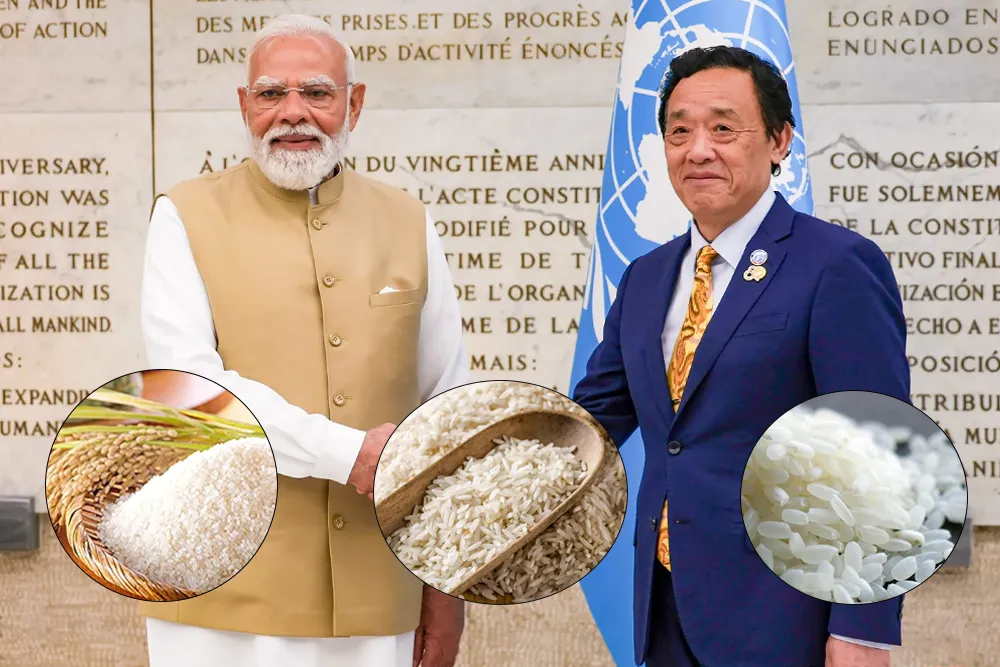
On Wednesday, May 20, PM Modi met Food and Agriculture Organisation (FAO) Director-General Qu Dongyu in Rome and presented samples of India's finest grains along with healthy millet bars, which highlighted the country's rich agricultural diversity and traditional food heritage. Notably, the meeting took place during PM Modi's state visit to Italy, where he was also conferred the 2026 Agricola Medal, the highest honour awarded by the FAO, during a special ceremony held at the organisation's headquarters. According to the organisation, the medal was presented by Qu Dongyu at the historic FAO Plenary Hall in recognition of PM Modi's contribution towards food security, agricultural development and farmer welfare. As part of the exchange, PM Modi gifted curated samples of numerous indigenous rice varieties from across India. Each rice variety reflects the agricultural traditions and nutritional richness of different regions. The gifts carried the Red Rice from Kerala, popularly known as Matta or Palakkadan Matta rice, and Gobindobhog rice from West Bengal, Joha rice from Assam & Kalanamak rice from Uttar Pradesh. Apart from rice, PM Modi gifted healthy millet bars, showcasing India's growing emphasis on nutritious and climate-resilient food products. Significantly, the gifts highlighted India's agricultural diversity, focus on nutrition and sustainability, and its efforts to promote traditional grains and millets globally as part of a healthier and climate-resilient food ecosystem.
Thai paddy prices rise as exporters expect rice demand recovery in the second half of 2026
Thai paddy prices are showing some positive signs since the global buyers' move to secure stocks, whereas exporters watch whether easing tensions in the Middle East could help restore demand in the second half of 2026. Data from the Thai Rice Mills Association showed that the price of white paddy rice with 15% moisture in Ayutthaya stood at 8,100-8,500 baht per tonne on May 15, up from 7,700-8,100 baht per tonne on May 8. Interestingly, the price of Hom Mali paddy rice in Ubon Ratchathani remained unchanged at 17,000-18,000 baht per tonne. Rice Exporters expect a recovery if Middle East tensions ease. However, the price of Thai 5% broken white rice was likely to move within a narrow range since domestic stocks were not strong enough to drive a major price increase. According to the Data from the Thai Rice Exporters Association, Thai 5% broken white rice FOB prices were US$429 per tonne on May 13, an increase from US$408 on May 6. Higher fertiliser, transport and packaging costs have also contributed to firmer export offers. Thailand’s production costs have risen by nearly4-5% during the March-April harvest season, whereas Vietnam faced a sharper increase in costs since its winter-spring crop coincided with higher fertiliser prices. Moreover, Data from the US Department of Agriculture showed that Thailand’s rice exports fell 25% year on year in the January-April period. The reduction was largely associated with Iraq, which normally purchases nearly 900,000 to 1 mt of rice a year, but such demand had not yet translated into orders.
Indonesia tightens rice oversight to boost national food security
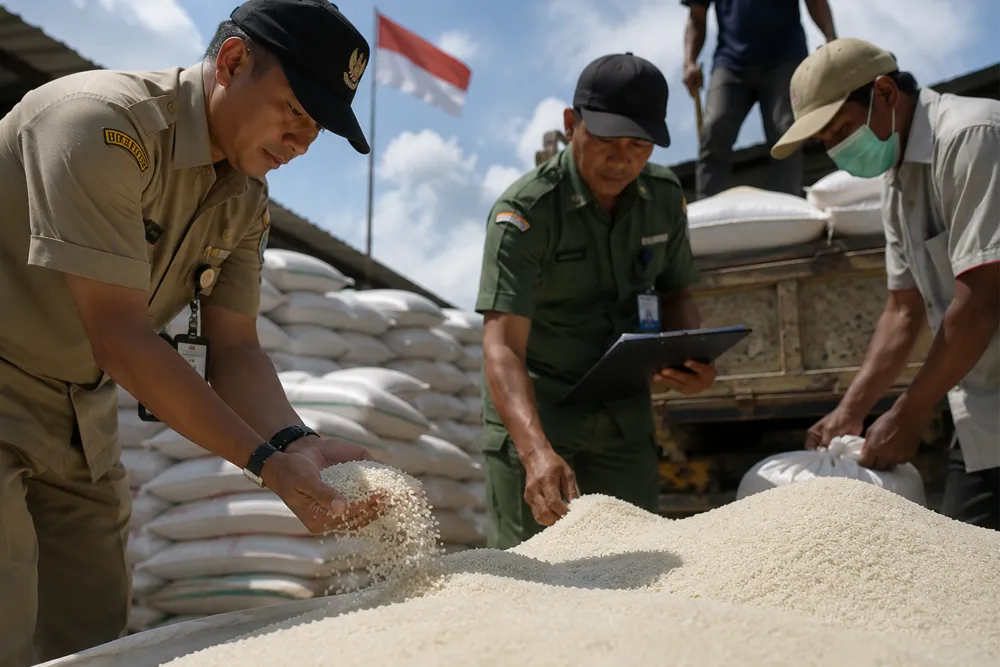
The Indonesian government has boosted supervision over rice distribution to sustain price stability, safeguard consumers and farmers, and crack down on practices that disrupt national food security. Head of the National Food Agency (Bapanas) and Minister of Agriculture Andi Amran Sulaiman said that the government is addressing several irregularities in the food sector, such as alleged food mafia practices that impact consumer prices. According to Sulaiman's statement, Indonesian President Prabowo is addressing the irregularities occurring in this republic, including in the agricultural sector. Stricter supervision is necessary as the national rice supply remains secure, with government rice reserves managed by state logistics agency Bulog reaching 5.3 million tons as of mid-May 2026. Data from Statistics Indonesia has shown that national rice production from January to May 2026 is projected to reach 16.8 million tons. National consumption during the same period is estimated at nearly 12.8 million tons, resulting in a surplus of nearly four million tons. Not only this, but the agency will also conduct laboratory tests to verify nutrient content claims, as fortified rice is required to contain nutrients such as vitamins B1 and B12, folic acid, iron, and zinc. The government has set the minimum purchase price for dried unhusked rice (GKP) at Rp6,500 per kilogram to ensure farmers remain profitable,according to Bapanas Deputy for Food Availability and Stabilization. Based on Bapanas monitoring as of May 19, the national average price of GKP at the farmer level climbed to Rp6,947 per kilogram, up 2.61 per cent from a month earlier and 0.40 per cent higher than the previous week.
Share this article
Article Info
Read Time
5 min read
Published
22 May 2026
Author
Megha Bajaj
Category
Rice News