Thailand Rice Industry at a Crossroads: Rising Exports but Growing Challenges Ahead
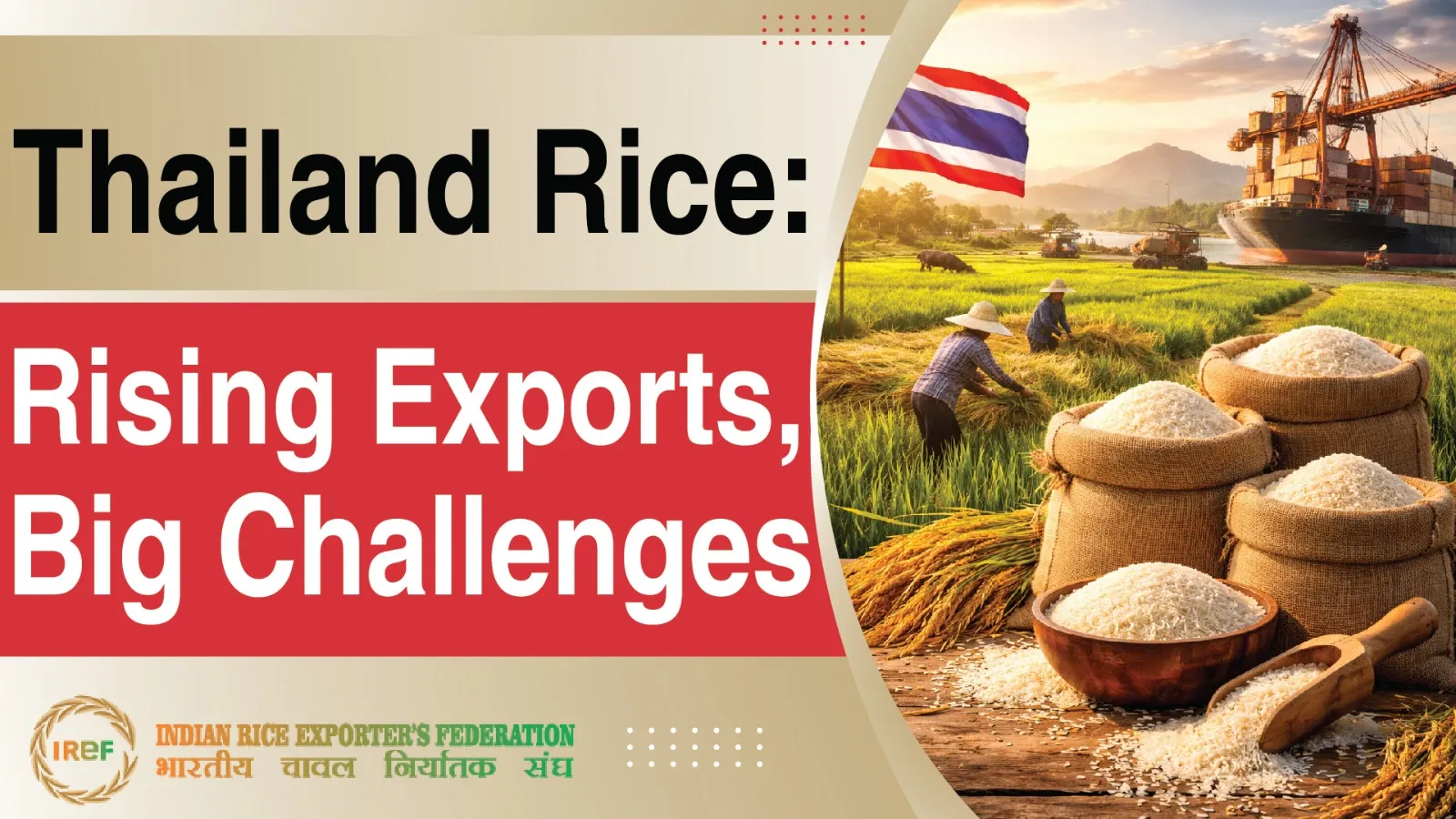
Currently, Thailand is one of the world's leading rice producers and exporters. Notably, the country’s rice exports are steadily increasing. Meanwhile, a report on Thailand rice industry is hitting the headlines in the mainstream media, stating that challenges are looming over Thailand rice industry. As per the report, Thailand is facing difficulties in the white rice segment due to low prices and stiff competition from other producers such as India and Vietnam. Not only this, but the production cost of white rice in India and Vietnam is also lower than that in the comparison of Thailand.
Thailand Rice Farmers grow rice up to three times a year
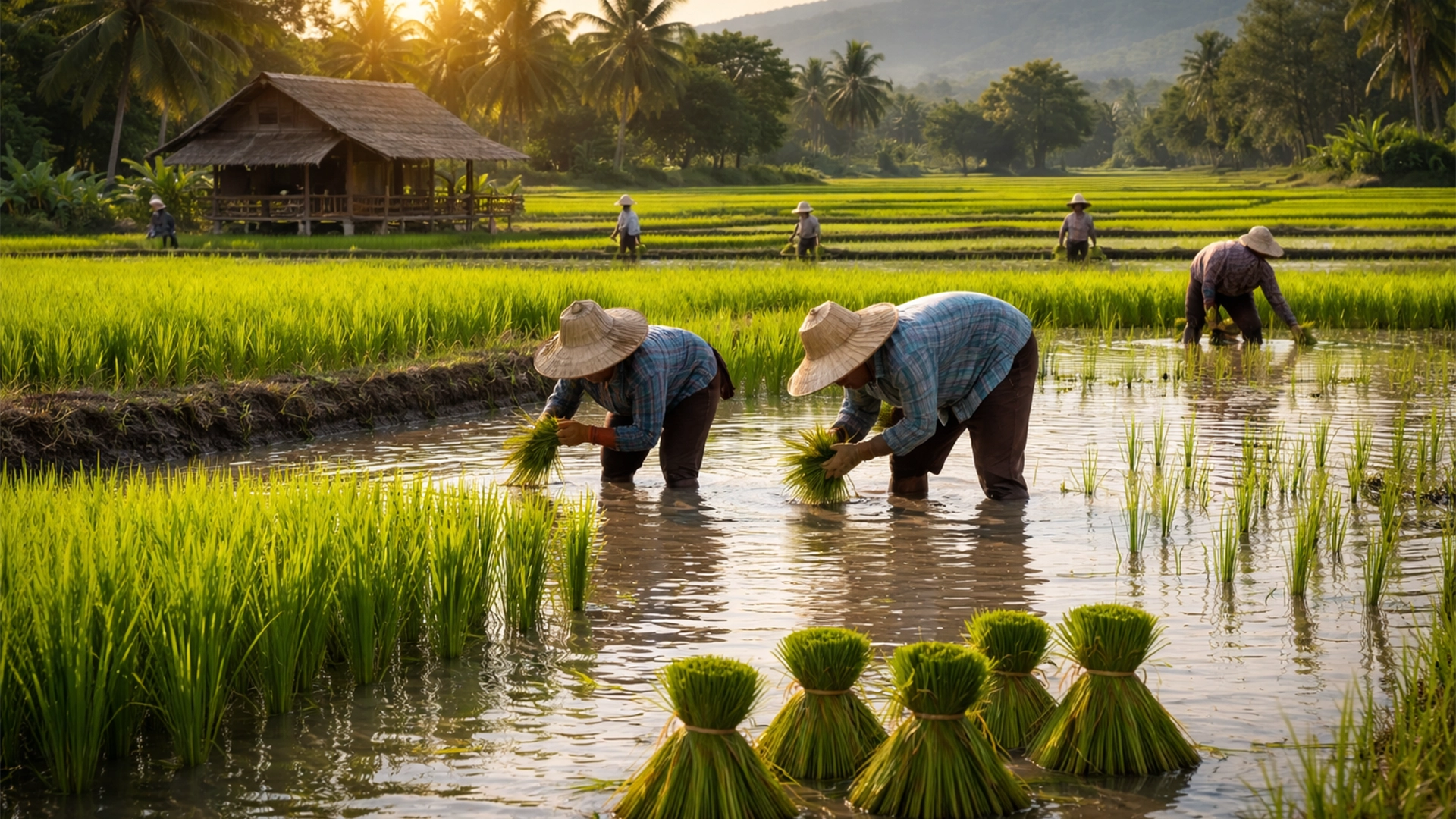
Undoubtedly, Thailand’s jasmine rice is renowned worldwide due to its taste and aroma. When it comes to the current status of this rice, the report states that jasmine rice, especially Hom Mali 105 and RD15, has maintained its premium market position. However, a major problem exists in rice cultivation in the Central Plains, where robust irrigation systems enable farmers to accelerate
dry-season production of off-season rice varieties that are not photoperiod-sensitive. Moreover, the report on Thailand's rice production and exports mentions that in some areas of Thailand, farmers can grow rice up to three times a year, and as a result, they use large amounts of production inputs, including fertilisers, chemicals, and water, increasing overall costs that several farmers cannot afford fluctuations in global market prices.
Thailand’s target of reducing gas emissions by 4 million tons
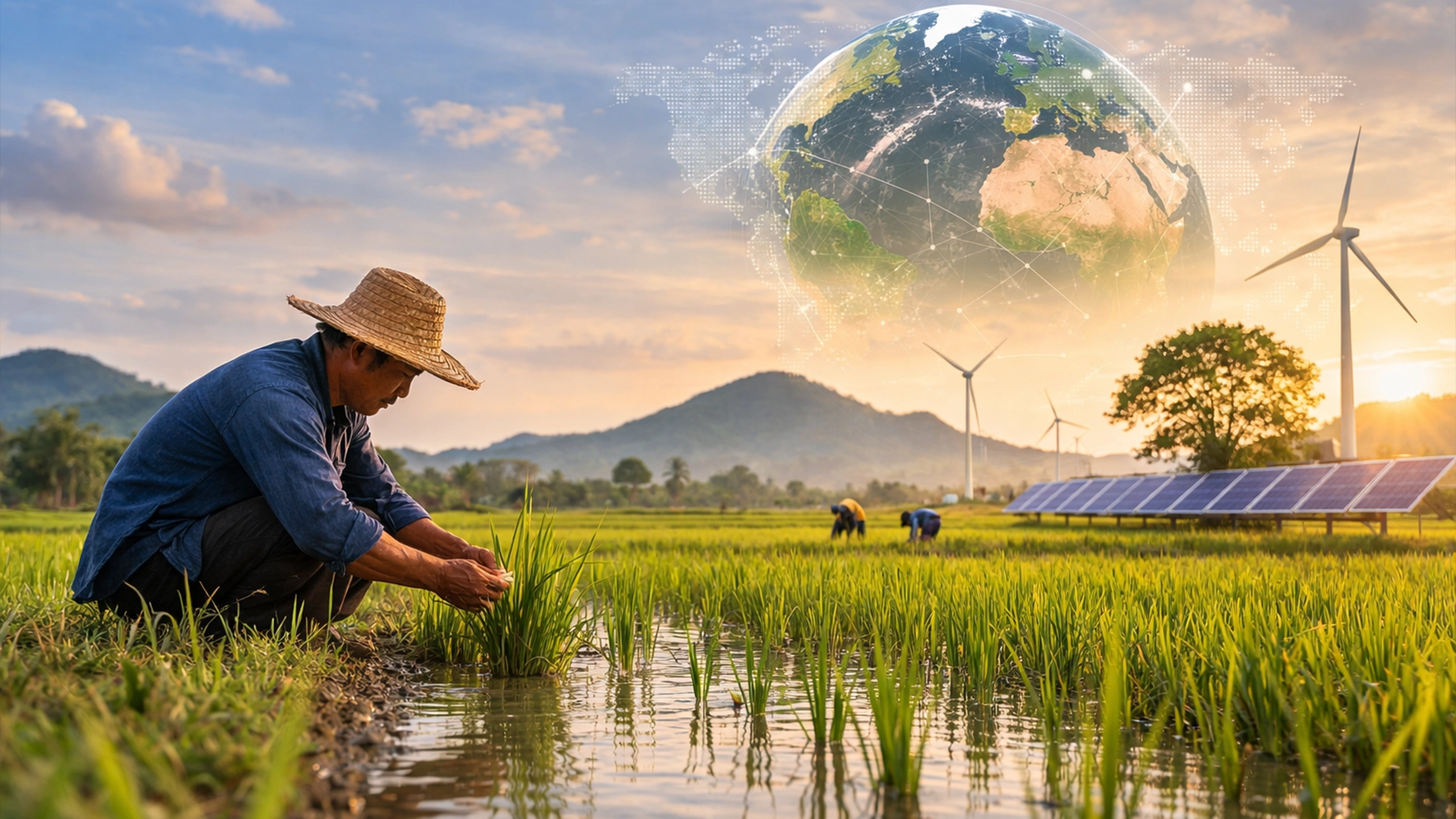
Somai Lertana, director of the Rice Research and Development Division at the Rice Department, says that under the Paris Agreement, Thailand has set a target of reducing greenhouse gas emissions by 4 million tons of carbon dioxide equivalent by 2030. He noted that the agricultural sector has been tasked with reducing 2 million tons, of which 1 million tons should come from rice cultivation. The reason behind this is the waterlogged rice fields which are a major source of methane emissions, which are produced by microbial decomposition in oxygen-free conditions. Therefore, the Rice Department has adopted a policy to promote environmentally friendly rice cultivation by supporting producers of organic rice, climate-smart agriculture rice, and low-carbon rice. In addition to selling rice, farmers can also sell carbon credits.
Besides this, he explains that low-carbon rice production relies on the alternate wetting and drying method. Under this system, the soil surface must be allowed to dry before watering again, and the water level below the surface must drop to 10 centimetres below the surface. The field is then allowed to dry again and then irrigated once more, often twice. This method can reduce methane emissions by 0.5 to 1 ton per field per crop cycle. In addition to helping reduce global warming, it also strengthens rice plants, reduces the risk of disease and insects, and reduces energy costs associated with pumping water. Somai Lertana says: “The Rice Department has been testing alternate wetting and drying methods for decades, which has shown a reduction in methane emissions."
Thailand has a rice surplus at present
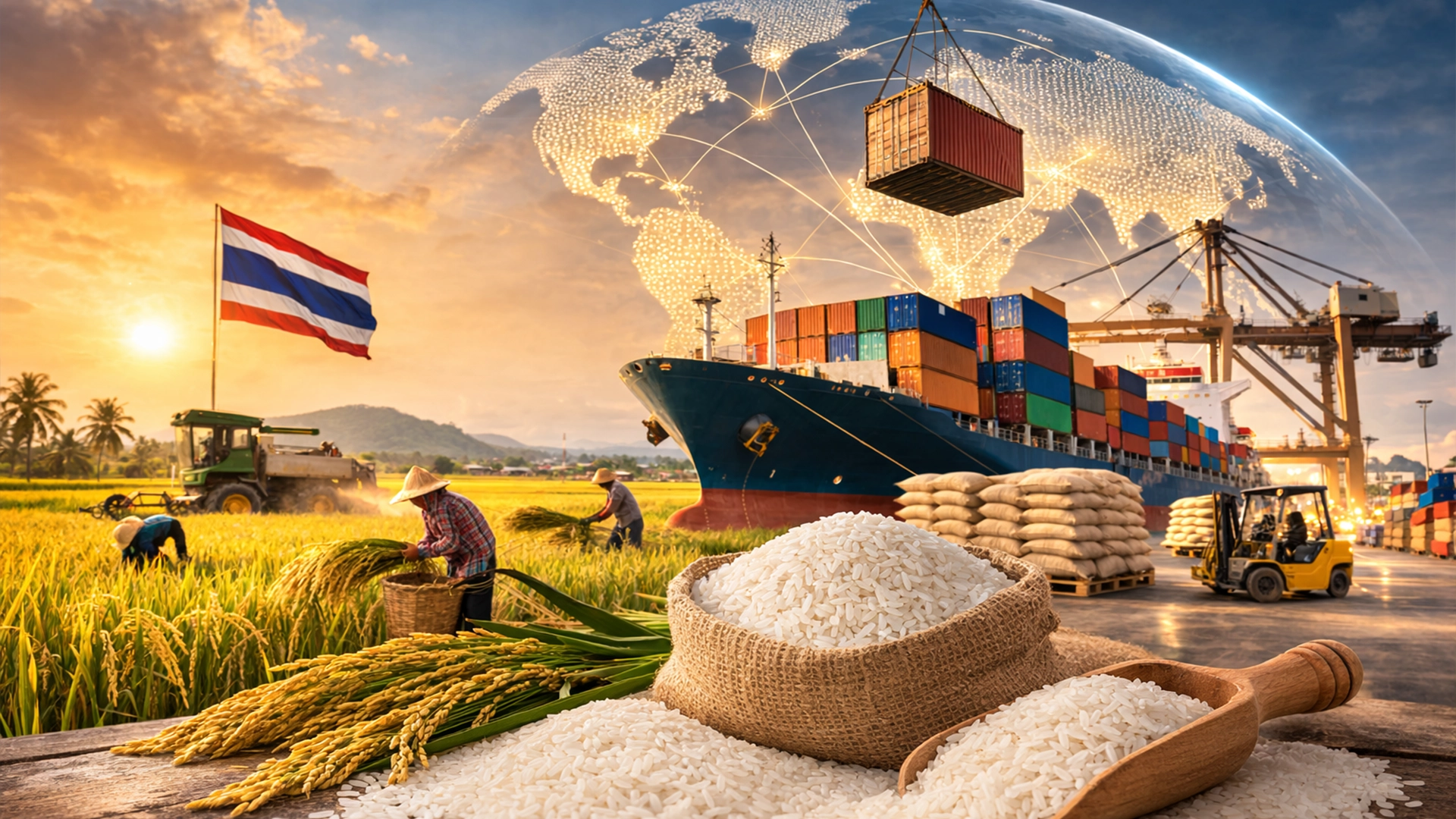
Notably, Thailand has a rice surplus at present and is striving to increase its exports. However, a trade group has now predicted in a report that Thailand's rice exports will fall to a five-year low due to the surge in the Thai yuan currency, which will reduce Thailand's competitiveness. According to the report, this threatens incomes in the sector, which employs one in four workers. The Thai Rice Exporters Association recently stated that the country's rice shipments could decline by approximately 11% compared to a year earlier, to 7 million tons in 2026.
Share this article
Article Info
Read Time
1 min read
Published
8 Mar 2026
Author
Megha Bajaj
Category
News