Beacon of Pride: West Bengal’s Aromatic Rice Varieties Get UN FAO Heritage Tag
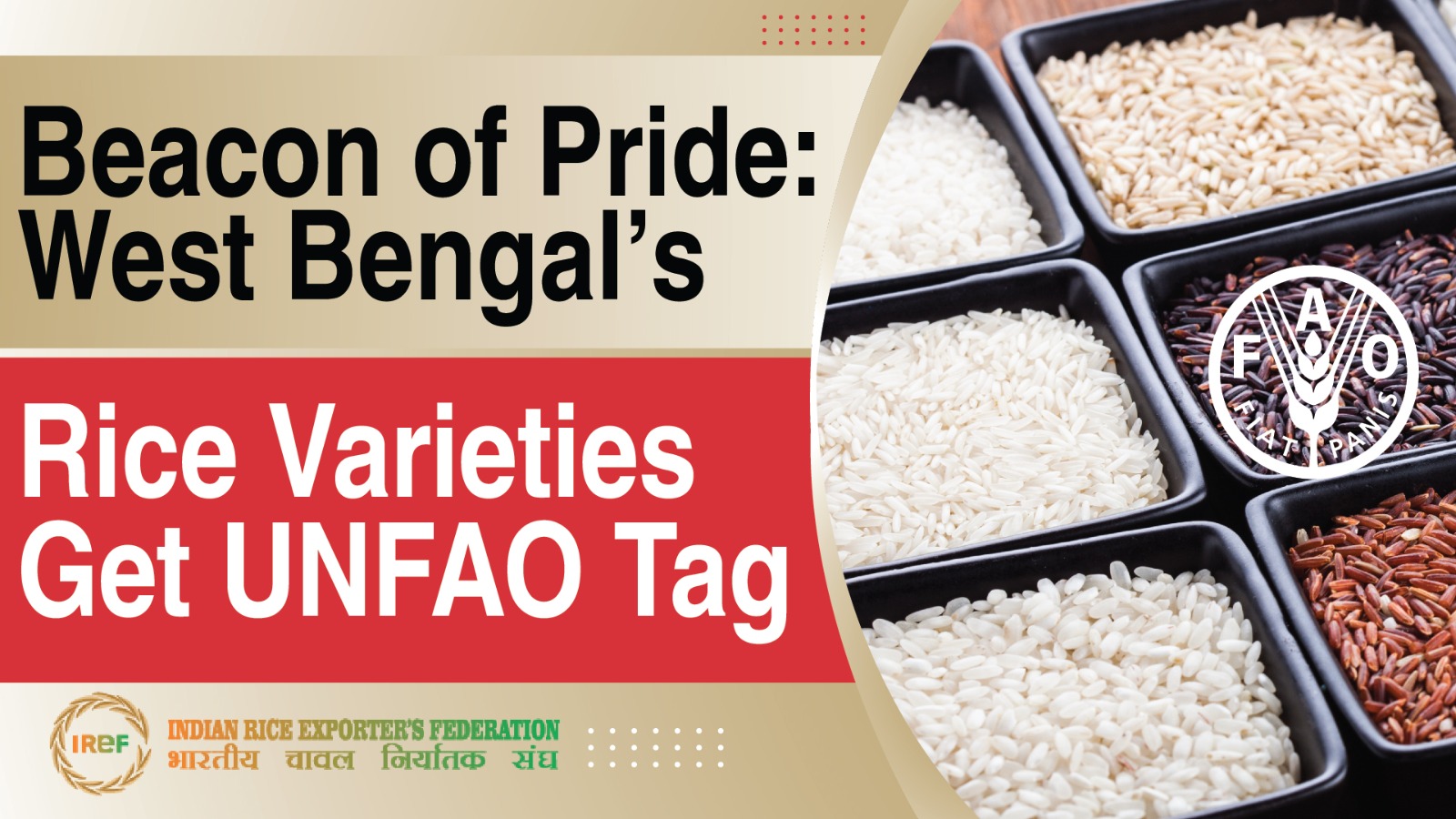
Amid the heated atmosphere of Impending elections in the state of West Bengal, where all the parties have geared up in a row, Popular rice varieties such as Gobindbhog, Tulaipianji and Kanakchur have received UN- FAO recognition along with Matir Srishti programme. On Wednesday, Feb 18, West Bengal Chief Minister Mamta Banerjee has shed light on this latest update by sharing the snippets of Certificates on X(formerly Twitter) handle. Not only this, but she also penned a long note underscoring a brief about the Community initiative Matir Srishti.
Matir Srishti Programme, besides these aromatic rice varieties
As per the given information by CM Mamta Banerjee, in the 'Matir Shristi' initiative, the state has crafted a unique vision that integrates strategies regarding land, irrigation and panchayats. The vision has been to make barren, non-arable, dry, mono-crop lands finally fertile and cultivable for growing multiple crops, including horticulture and vegetable cultivation. Additional irrigation facilities have been provided by creating new irrigation facilities, such as ponds and other irrigation sources. Lakhs of livelihood opportunities have been created, and family incomes have increased manifold.
UN recognition to Gobindbhog, Tulaipianji and Kanakchur
Furthermore, she said: “I am further happy to inform that the United Nations (FAO) has also recognised West Bengal’s famed Gobindbhog, Tulaipianji and Kanakchur Aromatic rice as food & culture heritage.”
Gobindobhog is a premium, short-grain, white aromatic rice originating from West Bengal, India, known for its buttery flavour, sticky texture, and distinct aroma. The rice variety was awarded a Geographical Indication (GI) tag in August 2017, used for making payesh (pudding), khichuri (porridge), and pulao. It is traditionally offered to Lord Govinda (Krishna) and is prized for its organic cultivation and high nutrient content
In addition, Tulaipanji is a premium, aromatic, non-basmati indigenous rice variety from West Bengal, India, known for its slender, white grains and delicate mango-blossom aroma. It has received a GI tag in 2015, traditionally grown, non-sticky rice that remains fluffy, making it ideal for pulao, biryani, and kheer.
The last one is Kanakchur whichis a premium, aromatic, and slender-grained rice native to West Bengal, India, known for its sweet, delicate fragrance. It is famously used to make khoi (puffed rice) for the traditional Joynagarer Moa sweet. Rich in iron, magnesium, and Vitamin B, it is easy to digest and used in kheer or khichri.
Why does this recognition matter?
Notably, the FAO recognition is expected to boost the global positioning of Bengal’s indigenous aromatic rice varieties, opening new avenues for exports and increasing international demand. Such recognition not only preserves biodiversity but also improves farmers’ income and rural prosperity.
Share this article
Article Info
Read Time
3 min read
Published
19 Feb 2026
Author
Megha Bajaj
Category
News