15,000 Crore Paddy Procurement Scam: CBI Probe Sought in Haryana After Punjab ₹10,000 Crore Fraud

15,000 Crore Paddy Procurement Scam: CBI Probe Sought in Haryana After Punjab ₹10,000 Crore Fraud
By Megha Bajaj
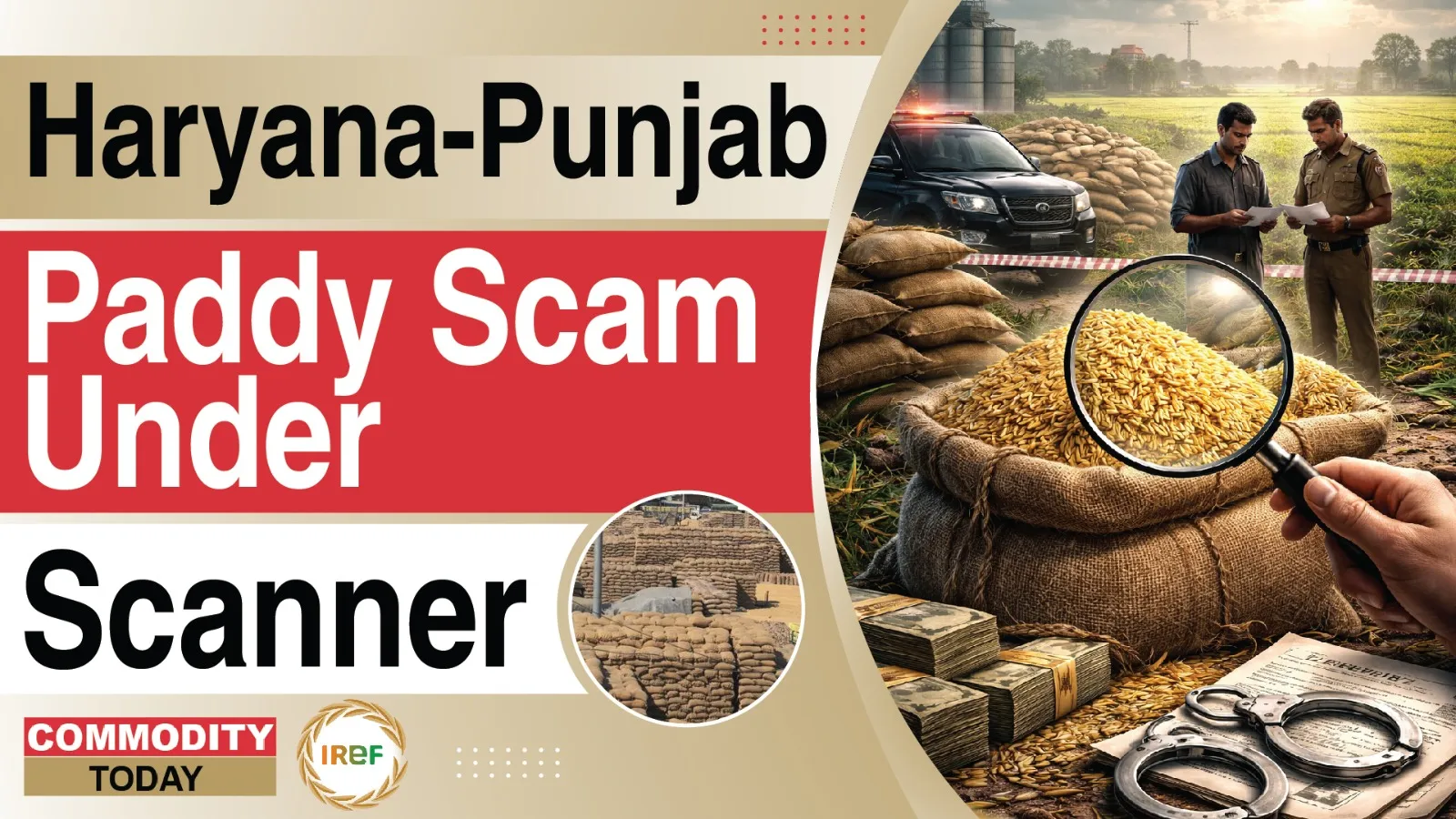
The Central Government has ordered an investigation into the alleged ₹10,000 crore fake paddy procurement scam in Punjab. In a significant development, a major update has also emerged regarding the alleged Haryana paddy scam. A petition has been filed in the Punjab and Haryana High Court seeking a CBI investigation into allegations of a similar scam in Haryana, reportedly worth over ₹5,000 crore. Farmer organisations have alleged large-scale misuse of central government funds in Haryana through falsified procurement records, fake sales vouchers, and illegal trading practices in APMC markets.
According to Dr. Virendra Singh, Former Principal Scientist at ICAR, the alleged Haryana scam appears to follow a pattern similar to the one uncovered in Punjab. Reports suggest that commission agents, rice millers, and procurement agency officials allegedly colluded to inflate paddy procurement figures, leading to the misuse of Minimum Support Price (MSP) funds.
Official records cited in reports reveal that over 6.2 million tonnes of rice were procured in Haryana during the Kharif 2025 season. This is approximately 800,000 tonnes more than the 5.4 million tonnes purchased during the Kharif 2024 season. The sharp increase in procurement has raised serious concerns because farmers and agricultural experts reported that between August and October 2025, unseasonal rains, floods, and crop diseases such as dwarfing virus and loose smut caused a 10–15 percent decline in crop yield.
Haryana Paddy Scam Allegedly Involved Illegal “Kachhi Parchis”
Data on rice cultivation in Haryana indicates that approximately 1.55 million hectares were cultivated during the period in question. Nearly half of this area was under Basmati rice cultivation, which is not procured under the MSP system. The remaining approximately 7.5 lakh hectares of Parmal paddy could have produced around 4.8 million tonnes, based on an average productivity of 6.2 tonnes per hectare.
Despite these production estimates, procurement agencies allegedly reported procurement of 6.2 million tonnes, suggesting an overstatement of nearly 1.4 million tonnes. At the MSP rate of ₹2,390 per quintal, this discrepancy could have resulted in a loss of approximately ₹3,300 crore to the central treasury.
Reports further state that the alleged scam involved the use of fake gate passes, forged J-forms, and illegal “kachhi parchis” (informal slips). It is alleged that farmers’ bank accounts were used to process government payments through Direct Benefit Transfer (DBT), even in cases where procurement records were allegedly manipulated.
Additional Losses of ₹400 Per Quintal Alleged
It has also been reported that commission agents allegedly collected substantial amounts of cash from farmers after MSP payments were credited to their bank accounts. This practice allegedly resulted in unaccounted and tax-free income for commission agents. Furthermore, the alleged misuse of the “kachhi parchi” system reportedly caused additional losses of approximately ₹400 per quintal, amounting to over ₹2,000 crore. Farmers were allegedly compelled to accept lower prices under informal arrangements, despite official MSP payments being recorded.
Allegations of fake paddy procurement in Haryana have reportedly surfaced multiple times since 2014, but critics claim that no strict action has been taken against those involved. Data cited in discussions indicates that during the Kharif 2020 season, Haryana reportedly purchased 6.5 million tonnes of paddy, while estimated production was around 5 million tonnes, raising similar concerns at that time.
Meanwhile, the Haryana High Court, while hearing a Public Interest Litigation (PIL), has directed the state government to take a decision within 30 days on banning illegal “kachhi parchi” trading in APMC markets and to strictly enforce the provisions of the APMC Act, 1961. Under the court’s directive, it is mandatory to issue J-forms immediately after sale and weighing and to ensure full payment transparency.
The petitioner argued before the court that such illegal practices are not limited to Haryana but are also prevalent in Punjab and other states, thereby undermining transparency and defeating the purpose of the MSP system. Citing the seriousness of the alleged fraud, the petitioner has appealed to the Central Government to order a comprehensive CBI investigation into the alleged paddy procurement scams in Punjab and Haryana, totaling approximately ₹15,000 crore.
The petition describes the matter as one of serious public interest, affecting farmers’ welfare, public finances, and national food security. Regarding the Punjab paddy scam, it has been alleged that between ₹6,000 crore and ₹10,000 crore worth of paddy was fraudulently procured in Punjab’s mandis. These allegations were reportedly made by a commission agent-cum-rice mill owner based in Sangrur. With the Central Government already ordering an investigation into the ₹10,000 crore Punjab scam, the issue of alleged fake paddy procurement in both Punjab and Haryana continues to remain in the spotlight, raising critical questions about transparency, accountability, and the implementation of the MSP procurement system.
Share this article
Article Info
Read Time
4 min read
Published
11 Feb 2026
Author
Megha Bajaj
Category
News