Top rice news: China’s rejection of GMO, Indonesia production and salt-tolerant varieties
Top rice news today highlights China's rejection of Indian Rice Shipments Over Alleged GMO Presence, stable rice production expected by Indonesia despite El Niño threat and the agricultural partnership of Sri Lanka and Vietnam to develop salt-tolerant rice varieties.
China Rejects Indian Rice Shipments Over Alleged GMO Presence
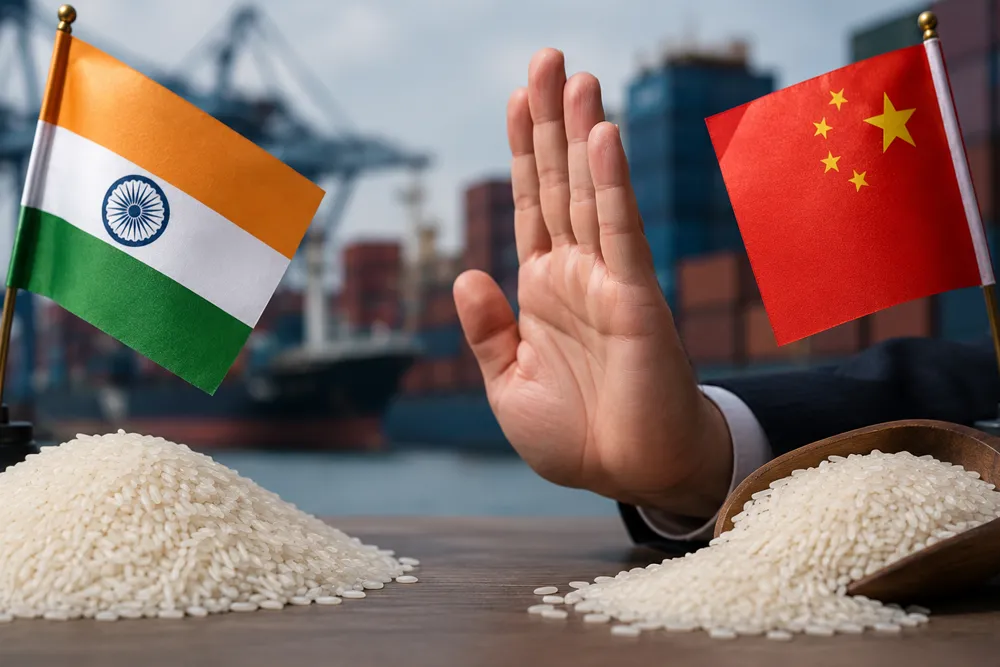
China continues to dismiss Indian non-basmati rice consignments, alleging that they contain genetically modified organisms (GMOs) despite the government communicating that no GM crop is grown in the country. This has sparked the fear that Beijing is waging a trade war with New Delhi. A trade source, tracking the issue closely, has said that last week, China dismissed the 4-5 consignments, alleging they contained GMOs. There is more than what meets the eye with the rejection. According to official sources, China was trying to spoil India’s image in the global market, knowing well that India does not grow any GM crop, barring cotton. Shockingly, in March, Chinese authorities rejected three shipments, alleging they contained GMOs. Following this, on April 30, the Ministry of Environment and Forests issued an office memorandum stating that the Genetic Engineering Appraisal Committee (GEAC), the regulatory authority for GM crops, has not approved any GM rice in India. On April 23, the Indian Council of Agricultural Research’s Assistant Director-General SK Pradhan wrote to the Agricultural and Processed Food Products Export Development Authority (APEDA) that India does not cultivate GM rice. Moreover, he told the authority that the Ministry of Agriculture has not recommended any GM rice for commercial cultivation in the country. Additionally, as per sources, nearly 70 consignments have been rejected by Chinese authorities despite the Indian office of China Certification & Inspection Group (CCIC), a Chinese State-owned company, inspecting and certifying the shipments.
Indonesia Expects Stable Rice Production Despite El Niño Threat
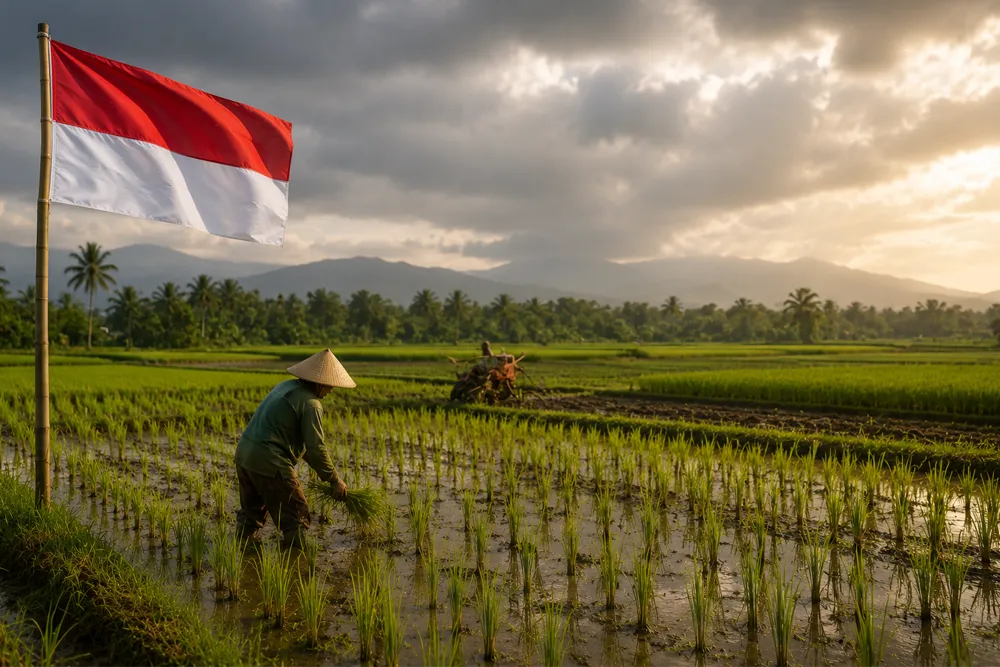
Indonesia’s Agriculture Ministry has stated that national rice production is expected to remain stable despite the risk of El Niño-triggered drought later this year. It was supported by irrigation measures and strong food reserves. Deputy Agriculture Minister Sudaryono said the government began preparing early this year after receiving climate warnings from the Meteorology, Climatology and Geophysics Agency. On Monday, at the National Conference on regional economic development. The government’s preventive measures include water pumping, pipeline installations and drilled wells to keep farmland productive during the dry season. Not only this, the Agriculture Ministry is pushing to increase the national cropping index to maximise planting and harvesting cycles throughout the year. In addition, Indonesia has around 12 million tons of standing rice crops and about 12 million tons of rice stocks held by households and private channels. He added that based on monthly consumption levels, Indonesia’s rice reserves would be sufficient for about 10.8 months, or nearly 11 months. Lastly, he said that the stock level should provide enough buffer to hold El Niño conditions expected to last as long as six months. Broadly speaking, Indonesia has intensified efforts to boost domestic food security following weather disruptions that affected agricultural production in recent years.
Sri Lanka and Vietnam Partner to Develop Salt-Tolerant Rice Varieties
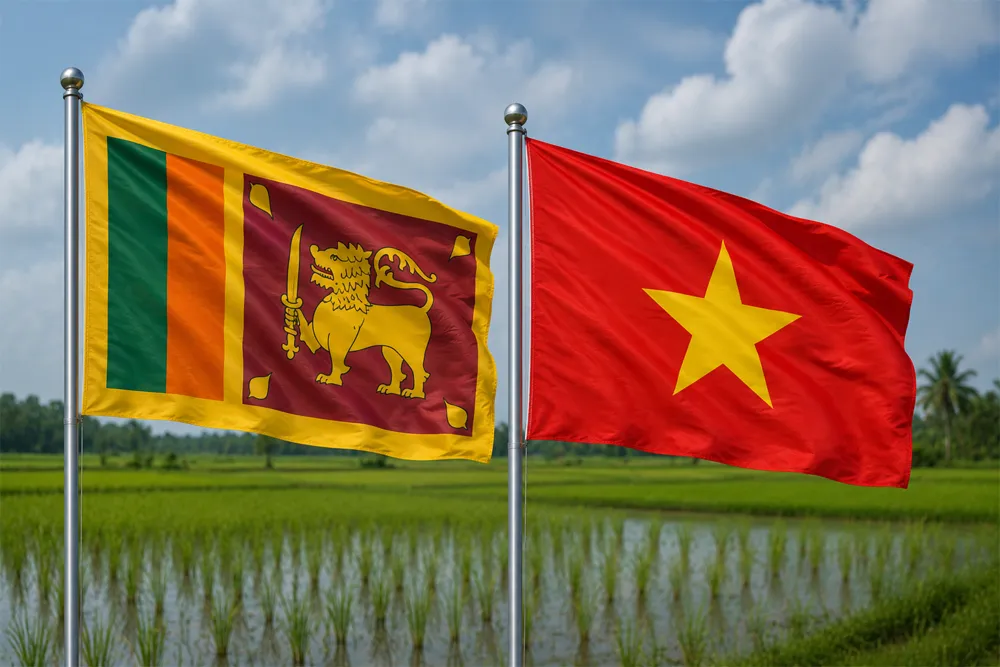
According to reports, Sri Lanka and Vietnam have entered into a significant agricultural partnership. This is aimed at developing high-yield, salt-tolerant rice varieties to boost food security and climate resilience. The collaboration focuses on combining scientific expertise and genetic resources from both countries to create improved rice strains that can withstand challenging environmental conditions like soil salinity, erratic rainfall, and rising temperatures led by climate change. The agricultural partnership was formalised through a Memorandum of Understanding (MoU) between Sri Lanka’s Department of Agriculture and the Vietnam Academy of Agricultural Sciences. Under this agreement, both nations will come together in structured genetic resource exchange, advanced hybridisation programmes, and joint research activities to escalate the development of resilient rice varieties. Scientists from both sides will share germplasm, conduct field trials, and evaluate crop performance across different agro-climatic zones. Interestingly, Rice is a staple food for both countries, making this partnership strategically important for long-term agricultural sustainability. Vietnam brings strong expertise in high-yield rice production, whereas Sri Lanka contributes valuable knowledge in adapting crops to tropical and coastal conditions. By combining these strengths, the programme deals with enhancing productivity while reducing vulnerability to climate-related risks.
Share this article
Article Info
Read Time
4 min read
Published
27 May 2026
Author
Megha Bajaj
Category
Rice News