Will Indonesia’s Rice Exports Leave Room For Rice Imports?
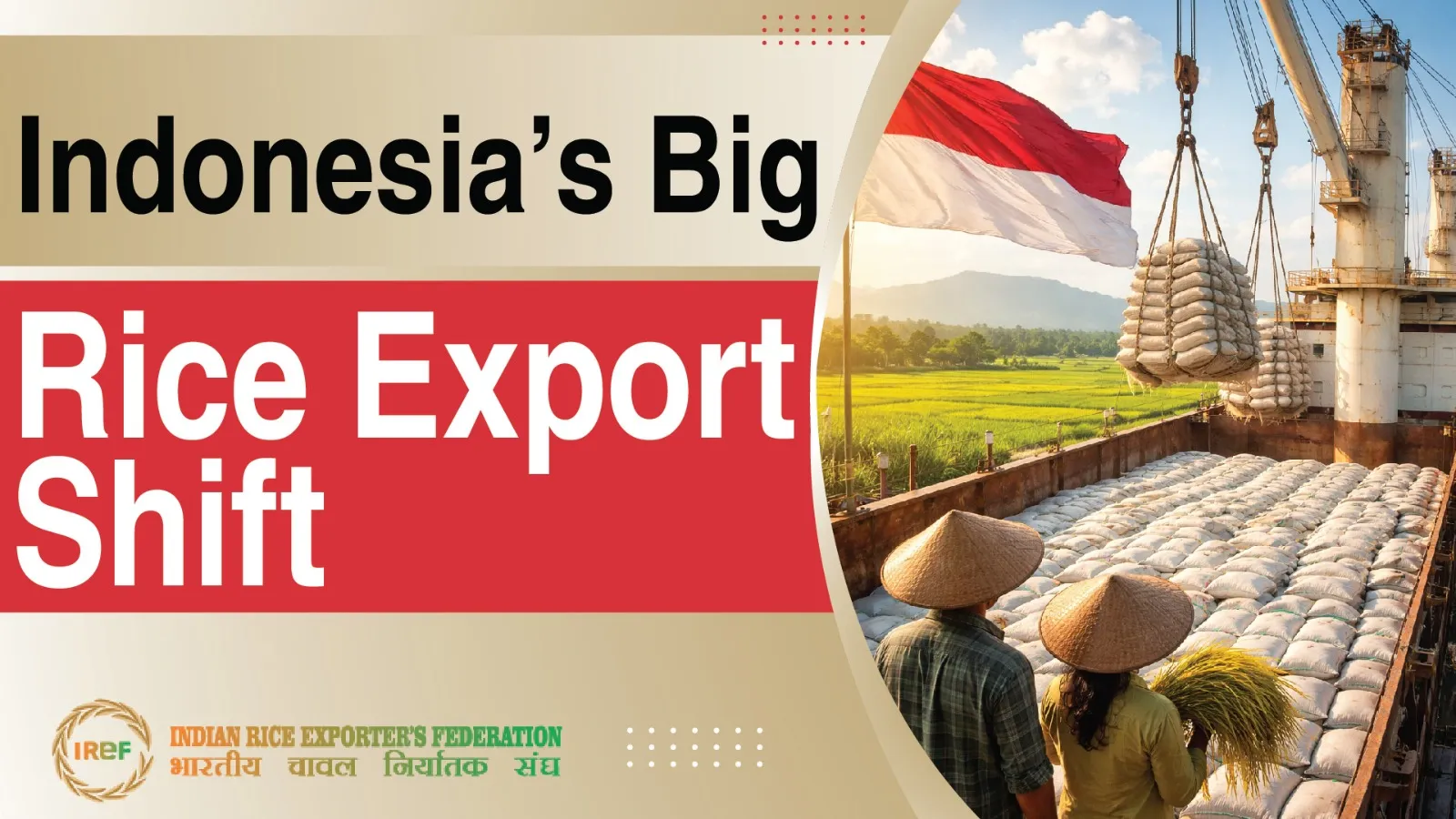
In the past couple of days, Indonesia has been hitting the headlines in the mainstream media for banning rice imports and declaring rice self-sufficiency. But now, the country has announced rice exports that have fueled debate worldwide. Interestingly, Indonesia declared rice self-sufficiency earlier. The recent announcement was made by the Indonesian Agriculture Minister Amran Sulaiman, who stated that the country has laid a strong foundation for rice self-sufficiency and is preparing to export surplus rice to several countries. Notably, Sulaiman made this statement during the National Agricultural Coordination Meeting at the Agriculture Ministry's headquarters in Jakarta.
What did Agri Minister Sulaiman say about rice exports?
According to reports, Indonesia is projecting a 15 per cent rise in rice production during the March harvest. Agri Minister Sulaiman estimated that Indonesia's rice stocks could reach 6 million tons within three months. Indonesia's rice prospects appear to be high, with the Indonesian Agriculture Minister stating that if this trend continues for the next three months, stocks will almost certainly reach 6 million tons. Moreover, he added that if rice production remains consistent throughout the year, the surplus could reach 9 million tons, too. Not only this, but Sulaiman appealed to the officials not to be complacent and emphasised the need to maintain and increase the country's rice production during the meeting. In addition, it is reported that Indonesia, with strong stock estimates, has begun exploring rice exports opportunities to countries such as the Philippines, Malaysia, Saudi Arabia, and Papua New Guinea.
Indonesia will increase rice exports to Papua New Guinea
Indonesia is ready to do rice exports if there are no disruptions in the next three months, and Sulaiman also stated that they will increase rice exports directly from the eastern region to Papua New Guinea. Additionally, the country has stressed that long-term sustainability depends on structural programs such as rice field creation and land optimisation. Furthermore, he stated: "With robust stock estimates, the government has begun exploring export opportunities to the Philippines, Malaysia, Saudi Arabia, and Papua New Guinea". However, amid this, reports of Indonesia importing 1,000 tons of rice from the United States are also drawing condemnation on a global basis.
Notably, the country recently approved the rice imports of 1,000 tons from the United States under a bilateral trade agreement. A spokesperson for the Coordinating Ministry of Economic Affairs in Indonesia's current government described the import of rice and other agricultural products from the United States as a positive move for the country. He stated that simplifying rice imports permits for American agricultural products will help the domestic industry more efficiently source raw materials and maintain a stable production flow, thereby supporting national food security. However, some rice exporters called this Indonesia's double standards. On the contrary, other rice exporters and experts said that since Indonesia has a bilateral trade agreement with the United States, this rice import is not wrong.
Little Room left for Rice Imports
Interestingly, Indonesia do rice imports from many countries, but since the temporary ban on rice imports, various rice exporters have suffered losses. Still, the latest update, while claiming to achieve rice self-sufficiency, is also gearing up to do rice exports. This news may not be good for countries that earlier exported rice to Indonesia, since when a country becomes self-sufficient in rice and has enough stock to export rice even after consumption, there is little room left for rice imports.
Share this article
Article Info
Read Time
1 min read
Published
26 Feb 2026
Author
Megha Bajaj
Category
News