Top Rice News: Thailand and Japan Boost Rice Reserves
Top rice news today sheds light on Thailand’s plan to increase strategic rice and crude palm oil reserves amid El Niño-related drought concerns and global food security risks. Particularly, Japan is moving to rebuild reserve rice stocks, with government inventories below its target despite high private inventories. Both countries are strengthening food security measures, monitoring production and prices, and preparing for potential supply disruptions while balancing domestic demand, agricultural conditions, and market stability.
Why Does Thailand Plan Higher Rice and Palm Oil Reserves?
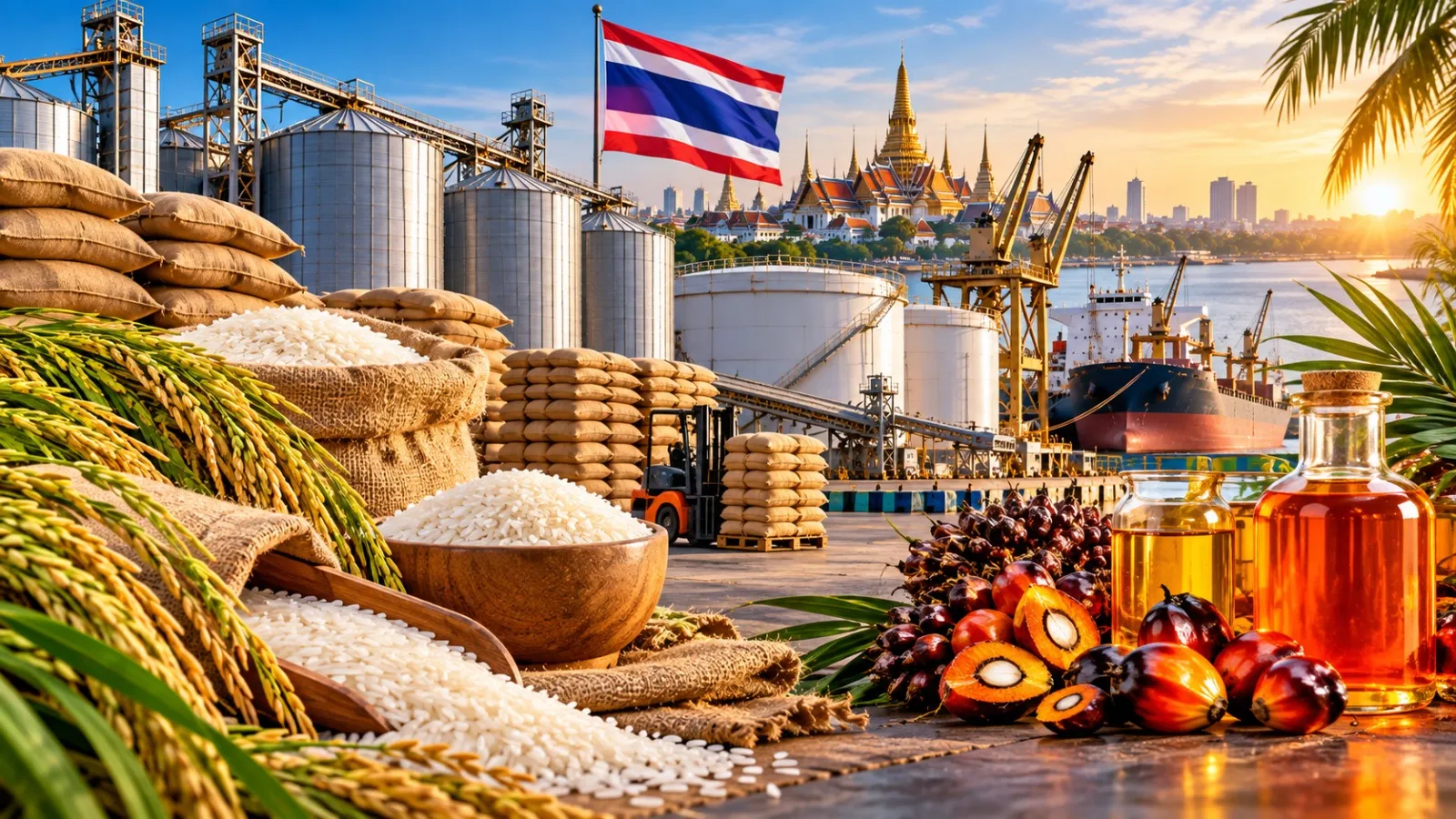
Thailand is preparing to boost its food security measures by increasing strategic reserves of rice and crude palm oil amid growing concerns over drought linked to El Niño. The Department of Internal Trade (DIT) has proposed raising the country’s strategic rice reserves by 30% and crude palm oil reserves by 20%. The move is aimed at protecting domestic supplies, stabilising markets and reducing the risk of price volatility if drought affects agricultural production. Moreover, DIT Director-General Wittayakorn Maneenet said global rice stocks have increased, but prices remain relatively high as countries continue building reserves to strengthen food security and prepare for possible drought conditions.
Thailand is not currently expected to face shortages of rice or palm oil by given its position as a major producer and existing stock levels. But, authorities are closely monitoring cassava and maize, where domestic production may not be sufficient to meet demand and imports are required. Also, the government is monitoring agricultural supply chains and consumer prices, particularly for products dependent on agricultural raw materials, as Thailand prepares for potential disruptions from El Niño-related dry conditions.
Japan Plans Early Buyback of Reserve Rice. Here’s Why?
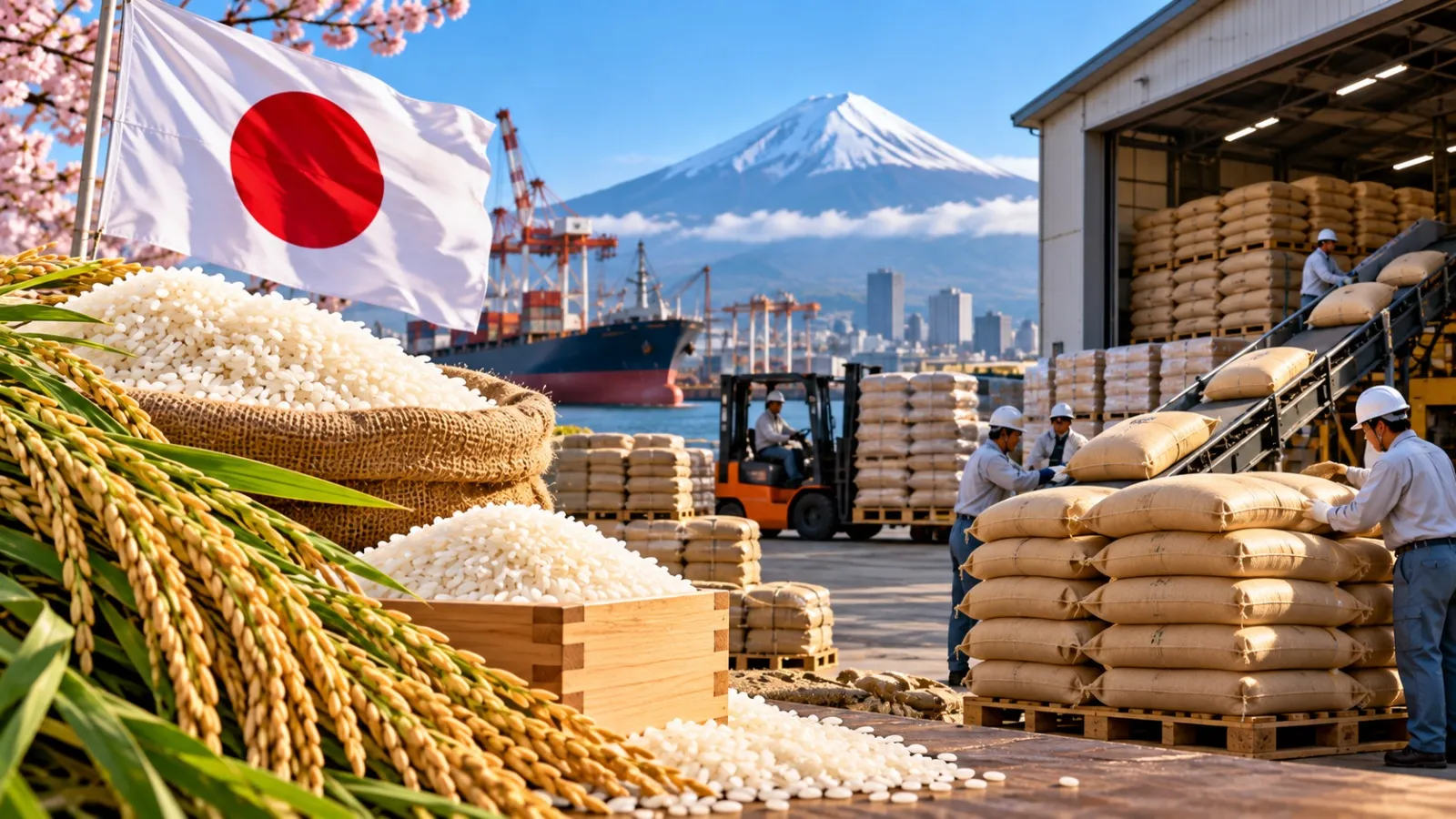
Japan’s Agriculture Minister Kazuo Yana has stated that the government will move to buy back reserve rice as soon as possible as authorities seek to support fair farm prices and strengthen food security. Government reserve rice stocks stood at 320,000 tonnes at the end of June 2026, significantly below the government’s target of 1 million tonnes. Contracts for the buyback of 210,000 tonnes have already been concluded, whereas further purchases are being considered based on crop conditions and supply-demand trends.
Japan’s private rice inventories reached 2.43 million tonnes in June, their highest level since 2004, contributing to falling wholesale prices. Retail rice prices also decreased below ¥3,000 per 5 kg in early September. Yana also said Japan would boost demand-based production for the 2027 rice crop. The agriculture ministry is reviewing the use of its rice production cost indicator after procurement prices in several regions fell below the benchmark.
Share this article
Article Info
Read Time
3 min read
Published
25 Sept 2026
Category
Rice News