Top Rice News: Japan’s Heat-Resistant Variety & India’s Kharif Sowing

Top rice news covers Japan’s shift towards heat-resistant rice varieties as rising temperatures threaten production, while India’s kharif sowing nearly matches last year despite lower rice acreage. Moreover, Japan is adapting its rice industry through climate-resilient varieties and farming practices. Meanwhile, India has recorded 110.39 million hectares of kharif acreage, with rice and maize sowing declining. These developments reflect changing conditions across the global agricultural sector.
Why Japan Turns to Heat-Resistant Rice ?
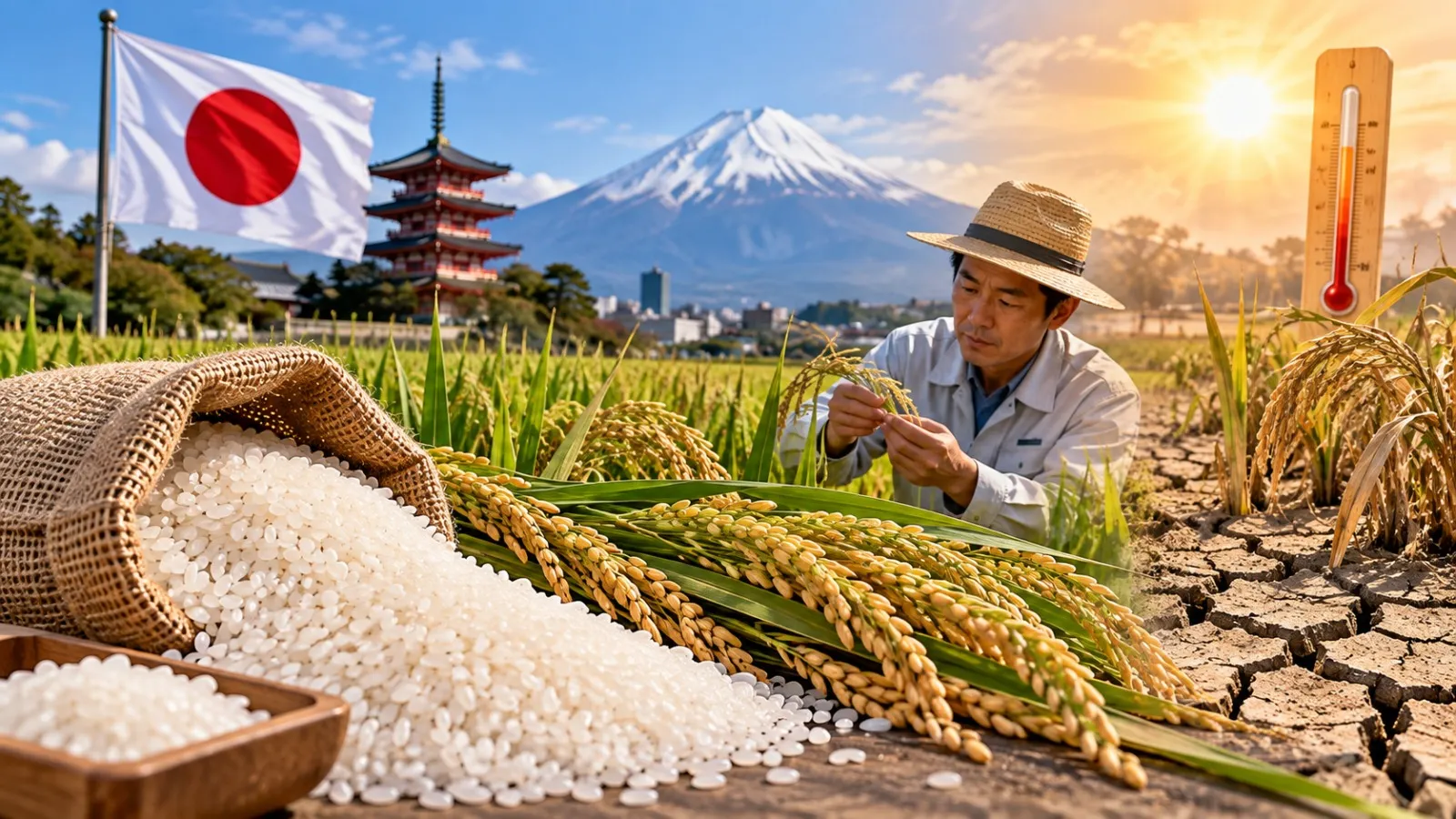
Japan is turning to heat-resistant rice varieties as rising temperatures and prolonged dry spells threaten yields and grain quality. The variety Hinatamaru, developed through 12 years of research, has shown greater resilience during hot summers. Heat-tolerant rice varieties covered a record 248,000 hectares last year, which accounts for 18% of Japan’s total rice crop.
Moreover, Saga prefecture has emerged as a leading adopter, with heat-resistant varieties covering nearly 67% of its rice acreage. Farmers and researchers are adapting cultivation practices as extreme heat becomes a growing challenge for Japan’s agricultural sector.
The changes emerge as climate-related disruptions put pressure on rice production, contributing to supply concerns and higher prices. Not only this,but Farmers are also adjusting working hours to avoid extreme afternoon temperatures and exploring crops better suited to hotter conditions. Generally, the shift highlights how Japan’s rice industry is adapting through new crop varieties, farming practices and research to maintain production as climate conditions become increasingly challenging.
India’s Kharif Sowing Nearly Matches Last Year
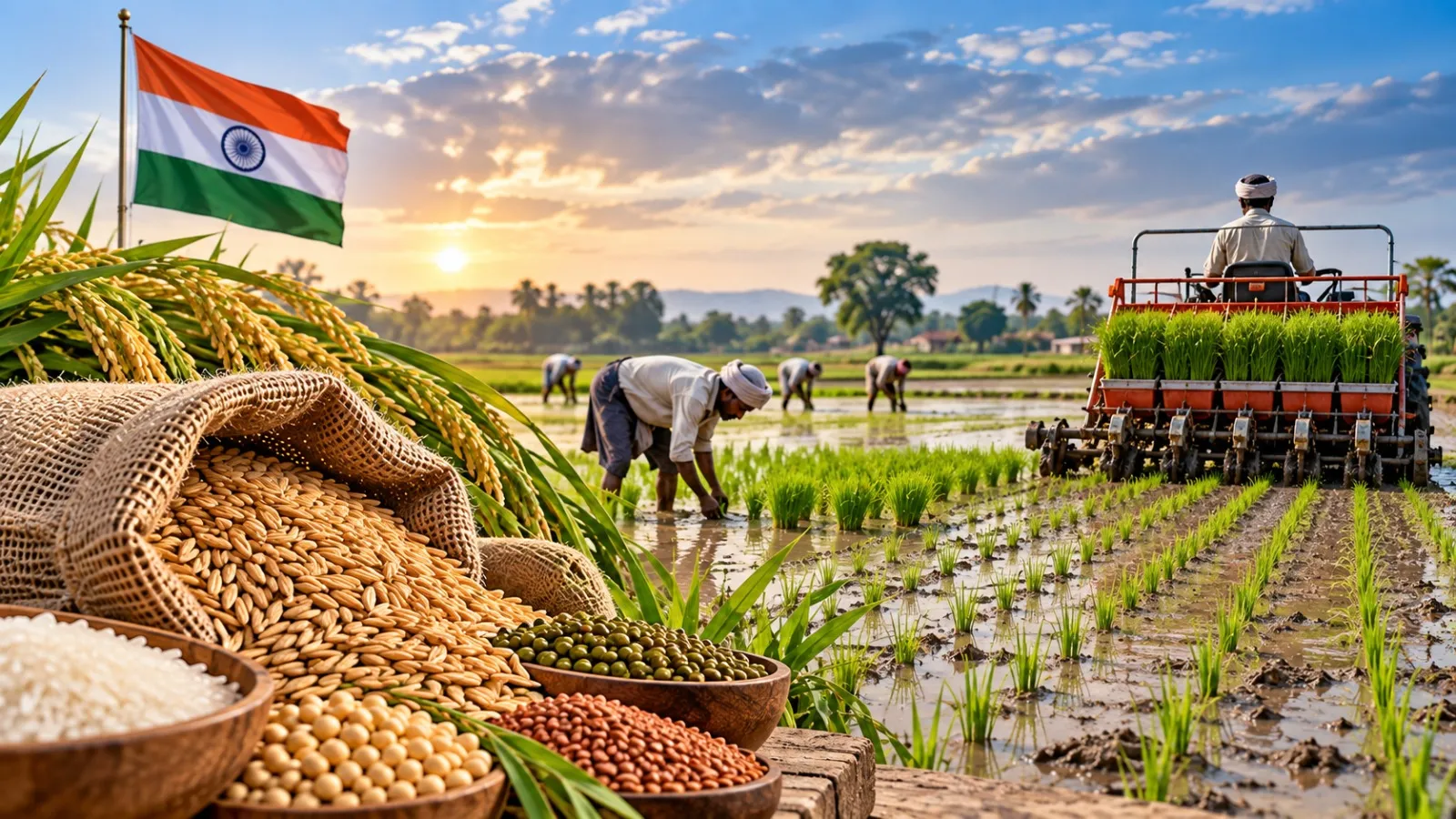
According to government data, India’s total kharif sowing has nearly caught up with last year’s level despite lower acreage under major crops. As of September 18, farmers had covered 110.39 million hectares, compared with 111.89 million hectares during the same period last year which has a decline of about 1.3%. Rice acreage stood 3.7% lower than last year, whereas sugarcane and cotton area declined 0.7% and 0.9%, respectively. In addition, maize sowing was also down 2.2%. However, pulses and coarse cereals recorded increases, partly offsetting the decline in major crops.
The overall sowing performance comes despite uneven rainfall conditions. India recorded a 15% rainfall deficit during the period, although regional variations influenced planting decisions. The near-normal kharif acreage provides some support to overall agricultural prospects, but lower planting of rice, sugarcane and cotton could impact production and market supplies. Farmers and policymakers will continue to monitor crop conditions, rainfall and yields as the season progresses.
Share this article
Article Info
Read Time
2 min read
Published
23 Sept 2026
Author
Megha Bajaj
Category
Rice News