Top Rice News: Global Supply Shock, Prices Surge & Market Trends 2026
Today’s top rice news highlights a rapidly changing global rice market shaped by rising geopolitical tensions, climate threats, and increasing production costs. Supply chains are under pressure as farmers and governments respond to uncertain conditions, making 2026 a critical year for rice availability, pricing trends, and global food security stability.
Global Rice Market Faces Tightening Supply as Iran Conflict and El Niño Threaten 2026 Output and Prices
Global rice markets are entering a period of heightened uncertainty as multiple geopolitical and climate pressures converge. The ongoing Iran conflict, particularly tensions affecting the Strait of Hormuz, has disrupted the flow of crude oil, natural gas, and key agricultural inputs such as fertilisers. As energy prices rise, production and transport costs for rice producers across Asia have also increased significantly. Farmers in major producing countries, including India, Thailand, Vietnam, and Pakistan, are responding by reducing fertiliser application, cutting back on irrigation, and in some cases planting smaller crop areas to manage expenses. At the same time, climate forecasts linked to the El Niño phenomenon, a periodic warming of Pacific Ocean waters, suggest that large parts of Asia may experience hotter and drier-than-average conditions in the coming months. This is likely to reduce water availability for paddy cultivation, lower yields, and increase the risk of crop stress during critical growth stages. Although global rice stockpiles remain relatively comfortable at present, largely supported by India’s strong reserves and export controls, analysts warn that these buffers may not be sufficient if both supply shocks intensify simultaneously. By late 2026, global markets could see tighter availability, rising export restrictions, and sharper price volatility. Such a scenario would disproportionately affect import-dependent regions in Africa and parts of Asia, where rice is a dietary staple. Even modest price increases could worsen food insecurity, strain household budgets, and increase pressure on governments to intervene in trade and distribution. Overall the outlook for rice markets in 2026 depends heavily on geopolitical stability weather patterns and timely policy responses from major exporting nations such as India especially
Guyana Boosts Support for Rice Farmers Amid Rising Global Costs and Trade Uncertainty
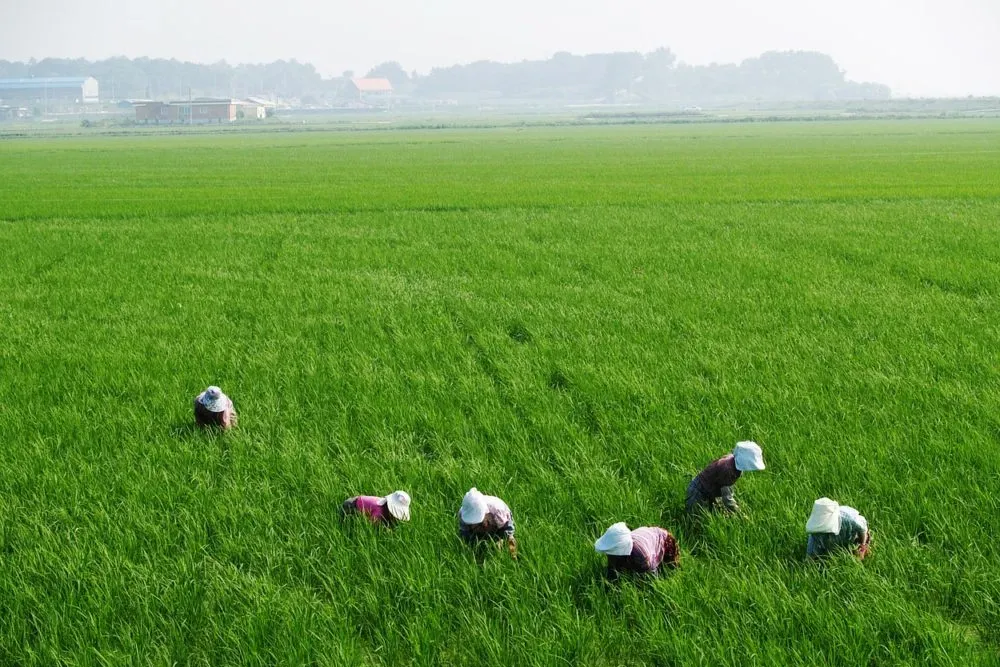
In Guyana, the government has moved to reassure rice farmers that it is actively working to cushion the agricultural sector from rising global economic pressures and ongoing geopolitical instability. President Irfaan Ali stated that the sharp increase in fertiliser prices, fuel costs, and international shipping rates caused by global supply chain disruptions remains a key concern for the administration. To address this, the government has introduced targeted tax relief measures and continues to provide financial and logistical support to farmers and millers across the country. Beyond short-term relief, authorities are focusing on long-term resilience in the rice industry. Significant investments are being made in agricultural infrastructure, including improved drainage and irrigation systems to protect crops from flooding and erratic rainfall. The government is also expanding research and development initiatives aimed at developing higher-yield and climate-resilient rice varieties suited to local conditions.In addition, upgrades to farm-to-market roads are being prioritised to reduce transportation costs and improve efficiency in moving rice from production areas to processing and export facilities. These improvements are expected to strengthen supply chains and increase competitiveness in international markets. Despite global uncertainties affecting food production and trade, officials have emphasised that Guyana remains committed to maintaining steady rice output and supporting farmers through close collaboration. Regular consultations between government agencies and agricultural stakeholders are being held to ensure that challenges are identified early and addressed effectively. Overall, the strategy aims not only to stabilise the sector in the face of external shocks but also to position Guyana’s rice industry for sustained growth, increased productivity, and stronger export performance in the coming years.
Rising Rice Prices in the Philippines Boost Farmer Planting but Continue to Strain Consumers and Import Dependence
In the Philippines, rice prices have increased significantly in recent months, placing renewed attention on both food security and agricultural production trends. In many local markets, the retail price of rice has reached approximately ₱55 to ₱63 per kilogram, with some forecasts suggesting it could stabilise or even rise further to around ₱60 to ₱62 per kilogram in the coming months, depending on supply conditions and import flows. According to the Department of Agriculture (Philippines), the higher market prices have mixed effects across the agricultural sector. On one hand, farmers are benefiting from improved farmgate earnings, which is encouraging many to expand rice cultivation in the upcoming planting cycles. This response is particularly important as it comes after periods of weak profitability that discouraged production in some regions. However, this positive incentive is tempered by rising input costs. Fertiliser, fuel, and irrigation expenses have all increased, reducing the net gains for many small and medium-scale farmers. Despite these challenges, officials believe that higher retail prices may still help stimulate domestic output in the short to medium term by making rice farming more economically viable. At the same time, consumers are feeling the pressure of sustained high prices, as rice remains a staple food in the country. The Philippines continues to rely on imports to supplement domestic production and meet national demand, making it vulnerable to global price fluctuations and supply disruptions.
Overall, the outlook for rice remains uncertain as supply shocks and climate pressures continue. Monitoring global production trends is essential for food security planning. Stay updated with top rice news, top rice news in India, Top rice news today for the latest insights on prices, markets, and agricultural developments worldwide.
Share this article
Article Info
Read Time
5 min read
Published
30 Apr 2026
Author
Megha Bajaj
Category
Rice News