Top Rice News: Manipur Chak-Hao, El Niño, and DSR Push
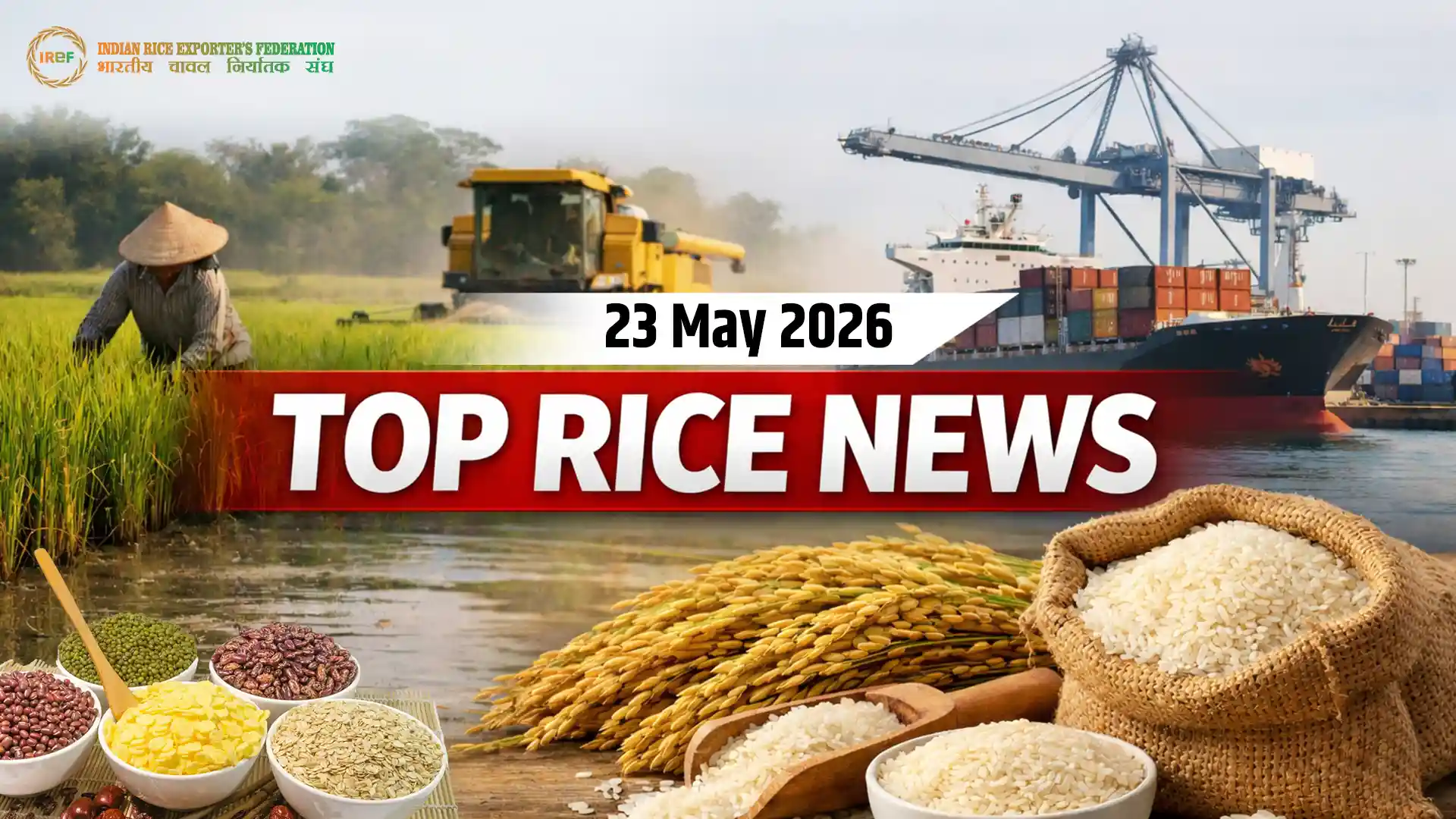
Top Rice News today highlights Manipur CM N.Biren Singh’s praise for PM’s Gift of Manipur Black Rice to UAE Royalty a Proud Moment. Philippine rice production threatened by El Niño and Middle East Tensions and IIRR’s direct-seeded rice push boosts yields by up to 13%, cuts water and labour use.
N. Biren Singh Calls PM’s Gift of Manipur Black Rice to UAE Royalty a Proud Moment
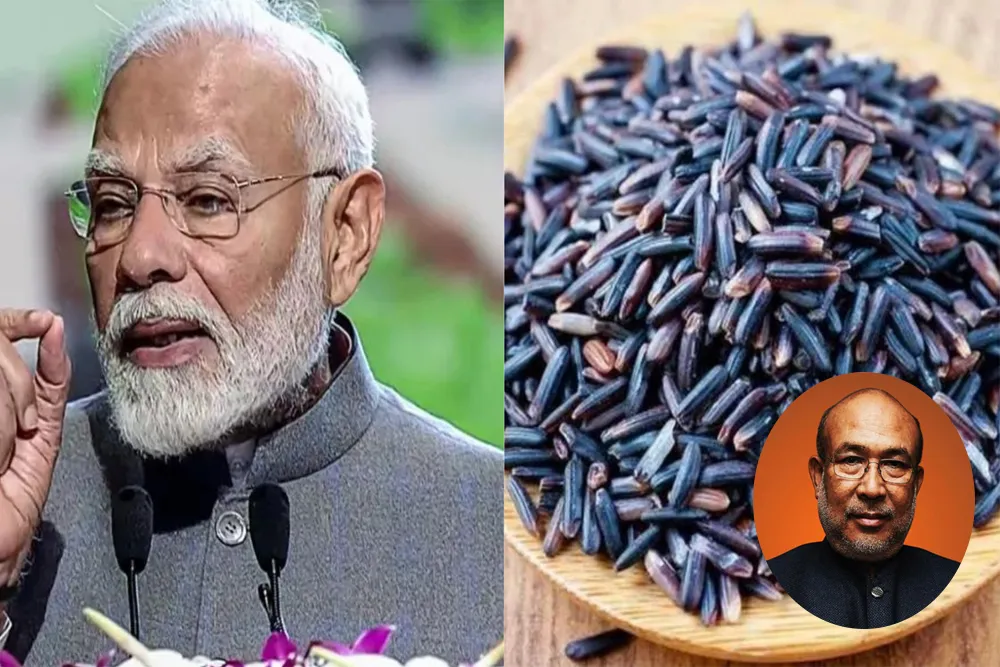
Manipur Chief Minister N.Biren Singh on Friday expressed deep pride over Prime Minister Narendra Modi presenting the state’s GI-tagged black rice, Chak-Hao, to the Queen Mother of the UAE. In a social media post, he said the gesture was a moment of honour for every Manipuri and reflected the global recognition of the state’s unique agricultural identity. He noted that the presentation not only highlighted Manipur on the international stage but also acknowledged the dedication and hard work of local farmers who have preserved this traditional crop for generations. According to him, Chak-Hao is more than just a variety of rice, it represents the cultural heritage, resilience, and agricultural strength of Manipur.
The Chief Minister further said that the international recognition of Chak-Hao reflects the growing appreciation for indigenous and GI-tagged agricultural products worldwide. He added that such moments help showcase the untapped agricultural potential of the state and encourage wider acceptance of traditional farming practices. Calling Chak-Hao a symbol of pride, he emphasized that it carries the story of Manipur’s land, traditions, and farming communities. He also urged people to continue supporting local farmers and promote indigenous agricultural products in global markets, ensuring that their value and heritage receive the recognition they deserve.
El Niño and Middle East Tensions Threaten Philippine Rice Production
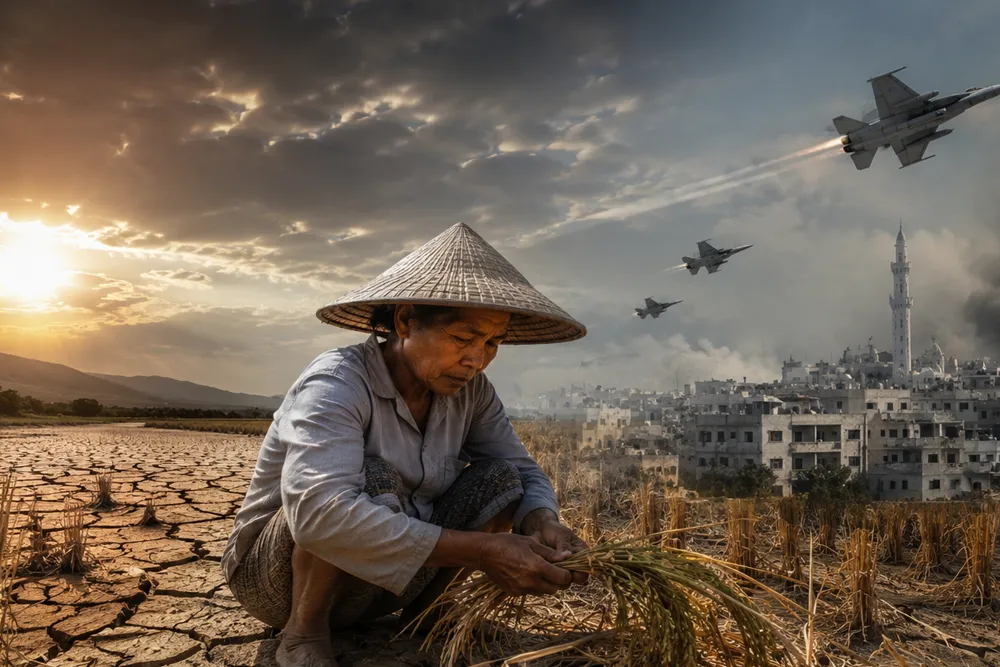
The expected return of El Niño later this year, along with rising fertiliser prices triggered by ongoing tensions in the Middle East, is raising serious concerns about rice production in the Philippines and other parts of Asia. According to Yvonne Pinto, Director General of the International Rice Research Institute (IRRI) based in the Philippines, many farmers are already responding to higher input costs by reducing fertiliser usage. Prices have reportedly increased by around 33% since geopolitical tensions escalated near the Strait of Hormuz in late February. She cautioned that this combination of factors, higher production costs and prolonged dry conditions linked to El Niño, could put downward pressure on rice yields. As a result, the Philippines may need to depend more on rice imports, which could also influence price movements across the wider regional rice market. The country’s agriculture sector has estimated that El Niño alone could reduce domestic rice output by up to 4 million tonnes this year. Reflecting these risks, the Department of Agriculture has already revised its 2026 production forecast downward, from 20.28 million tonnes to 19.87 million tonnes. Pinto further emphasized that strengthening climate resilience in agriculture will be key. She pointed to the importance of improved rice varieties, better irrigation systems, farm mechanisation, and the use of digital farming technologies to help farmers adapt to changing weather patterns and maintain stable productivity in the long run.
IIRR’s Direct-Seeded Rice Push Boosts Yields by Up to 13%, Cuts Water and Labour Use
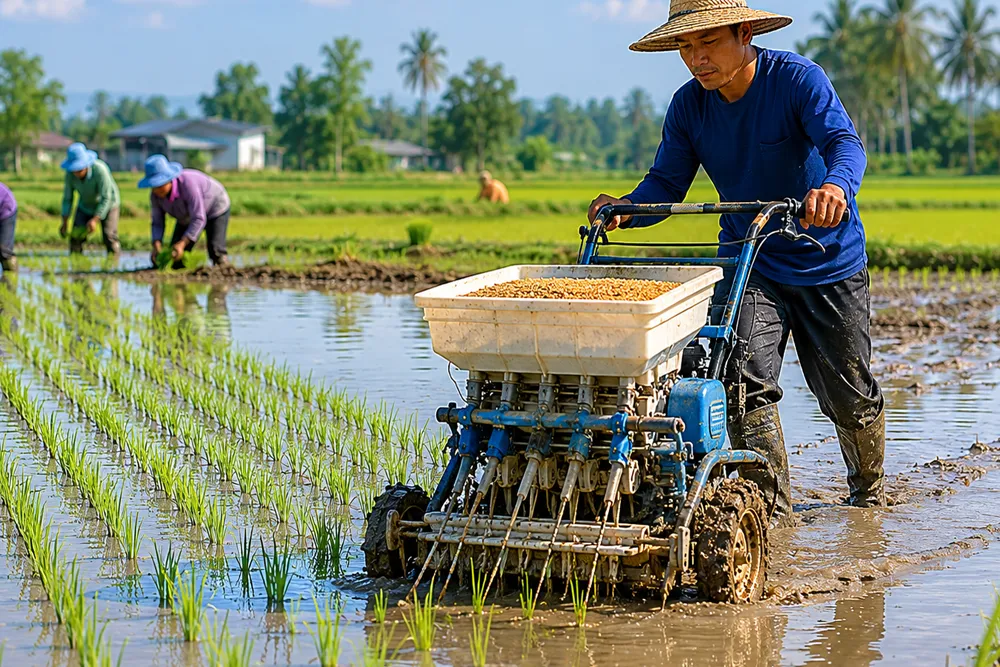
A recent Direct Seeded Rice (DSR) initiative led by the Indian Institute of Rice Research (IIRR), under the Indian Council of Agricultural Research (ICAR), in collaboration with the SBI Foundation, has highlighted strong gains in sustainable rice farming. The project shows that farmers adopting DSR can achieve 8–13% higher rice yields compared to the traditional transplanted method across different cropping seasons. Along with improved productivity, the approach has also helped reduce cultivation costs significantly, with savings of around 21–23% per acre, which ultimately increases net returns for farmers. One of the key advantages of this model is its efficient use of resources, especially water. By integrating Internet of Things (IoT)-based sensors in the fields, farmers were able to monitor soil and irrigation needs more precisely, resulting in a 25–35% reduction in water usage. This is particularly important in the context of growing water stress in agriculture. According to an IIRR spokesperson, the findings strongly support the viability of DSR as a practical alternative to the conventional, labour-intensive and water-heavy transplanting system. In the DSR method, rice seeds are directly sown into the main field, eliminating the need for nursery raising and manual transplantation. This not only saves time and labour but also promotes more climate-resilient and resource-efficient rice cultivation practices.
Share this article
Article Info
Read Time
4 min read
Published
23 May 2026
Author
Megha Bajaj
Category
Rice News