Top rice news: Vietnam exports, Philippines office and Iran Sanctions
Top rice news today highlights how Vietnam’s exports face weaker demand and climate risks, while the Philippines boosts its rice sector through a new government office. Meanwhile, India’s basmati rice exports to Iran face sanctions, payment hurdles and rising shipping costs linked to the Strait of Hormuz.
Vietnam Rice Exports Hit $2.91 Billion
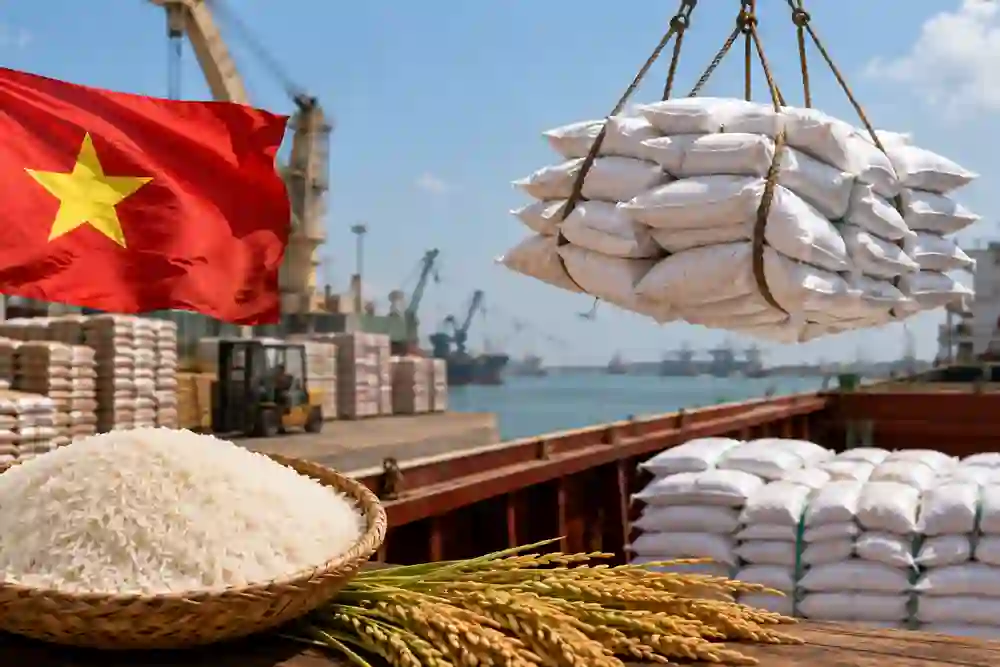
According to reports, Vietnam’s rice exports reached an estimated 6.03 million tonnes, worth nearly $2.91 billion , in the first eight months of 2026. Export volume and value fell about 5% year-on-year amid weaker global demand and shifting buying patterns in major markets. However, export prices showed signs of recovery, with the average price in July reaching $511 per tonne, up 5.8% from a year earlier and marking the first annual increase of 2026. The Philippines remains a significant market for Vietnamese rice, but potential safeguard duties could pose a risk to future shipments. Not only this, but Indonesia has also reduced imports due to strong domestic production and reserves. At the same time, high fertiliser, transport and energy costs continue to pressure farmers and exporters. Moreover, the sector is preparing for possible El Nino-related drought and saltwater intrusion during the 2026-27 winter-spring crop.
Philippines Sets Up Interim Office to Boost Rice Sector
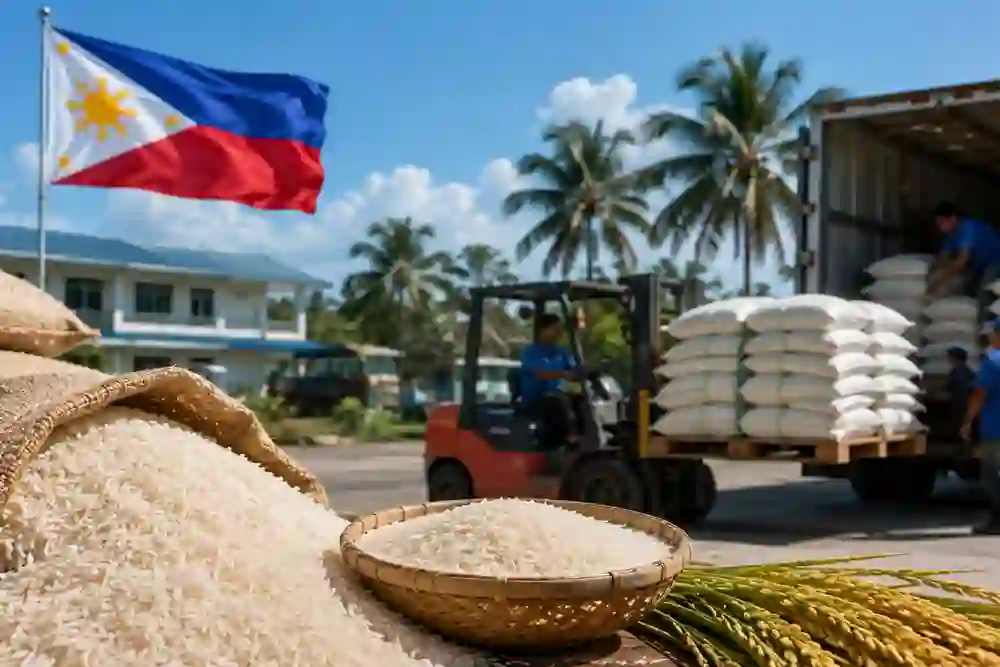
According to local media reports, the Philippines’ Department of Agriculture has created the Interim Rice Industry Development Office to improve coordination and implementation of rice-sector programmes nationwide. Moreover, the new office will oversee initiatives under the National Rice Program and the Rice Competitiveness Enhancement Fund. The move comes as the country’s rice industry faces several challenges, including high production costs, inadequate post-harvest facilities and the growing need for climate-resilient farming practices. Authorities stated that specialised office will provide more focused management and boost implementation of rice development initiatives.
Rice is a staple food in the Philippines, which has a population of more than 110 million. The government has been working to increase domestic rice production and reduce dependence on rice imports. The new coordination mechanism is expected to support the sector’s competitiveness, enhance farm productivity and strengthen the country’s long-term rice security.
Iran Sanctions Put India’s Rice Exports Under Pressure
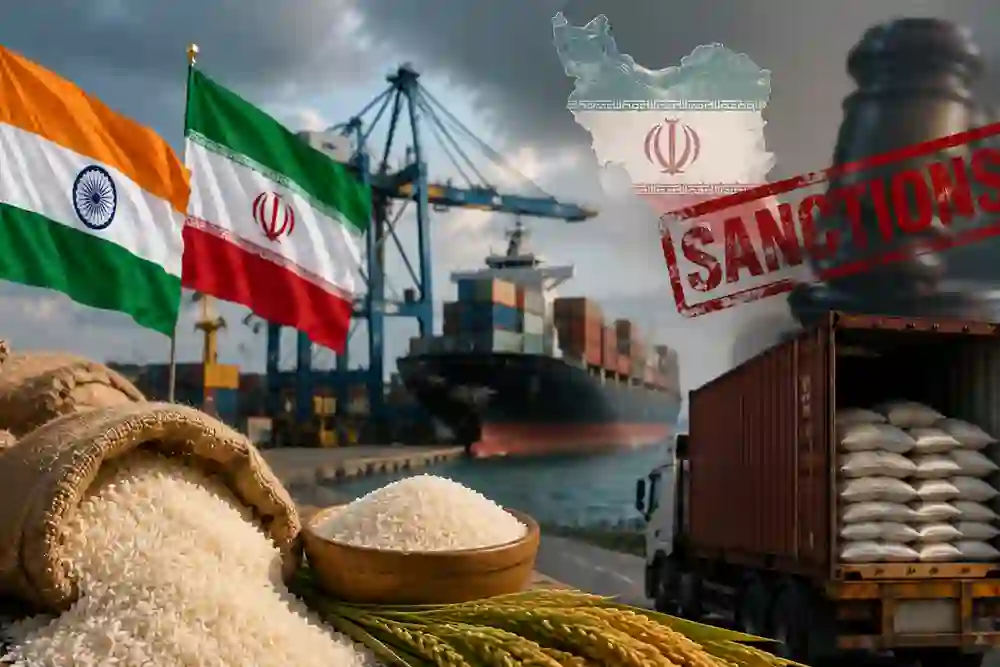
India’s rice exporters are navigating growing challenges in the Iran market as the US is a major destination for Indian rice, accounting for nearly two-thirds of India’s $1.25 billion merchandise exports to the country in the financial year ended March. Indian basmati rice exports to Iran were valued at $383.11 million in the first half of 2026, although shipments fell sharply between April and June.
Exporters are particularly concerned about disruptions to UAE-based payment and trading channels, which have traditionally supported India-Iran commerce. Moreover, rising freight, insurance and logistical risks linked to Strait of Hormuz disruptions are adding further pressure. Despite these challenges, strong Iranian demand for food supplies could help sustain rice trade. Exporters are seeking alternative payment routes and greater government support to protect this significant agricultural export market
sanctions, payment restrictions and shipping disruptions complicate trade.
Share this article
Article Info
Read Time
3 min read
Published
31 Aug 2026
Author
Megha Bajaj
Category
Rice News