Top Rice News: Prices In TN, Japan’s Market, And Trade Move

Top rice news today covers how rice prices are increasing in Tamil Nadu due to a drop in paddy supplies. On the other hand, Japan’s rice market shows some swings of surplus from shortage. Lastly, the two countries are boosting their rice trade with the objective of increasing the rice exports. These are some of the latest rice news stories from the global rice market.
Why Rice Prices Rise Sharply in Tamil Nadu?
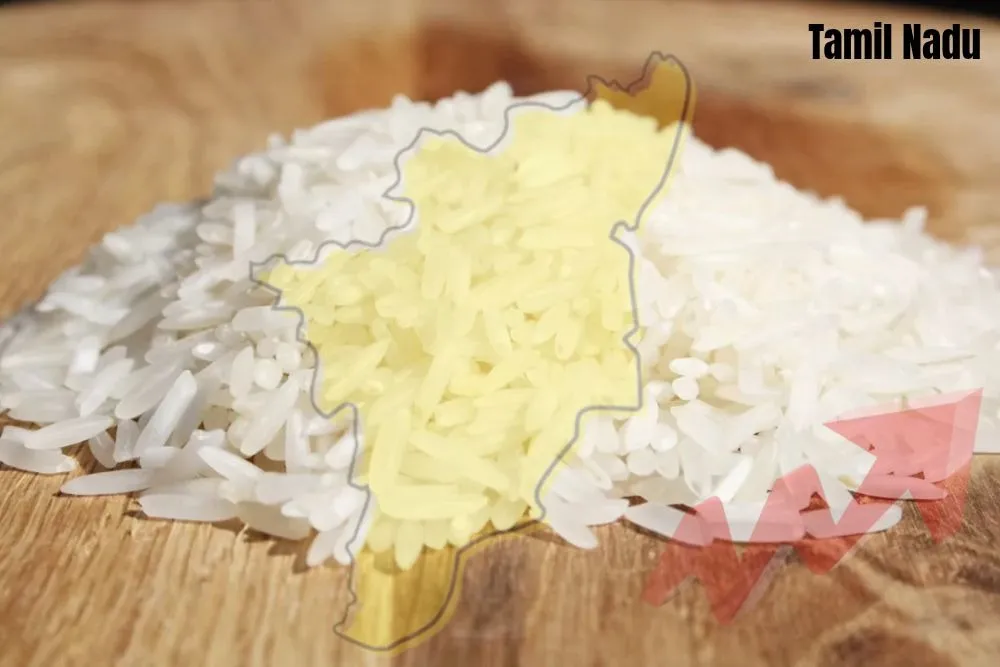
Rice prices have increased in Tamil Nadu due to the drop in paddy supplies and slower arrivals from neighbouring states put pressure on the market. Popular rice varieties such as Ponni rice have seen significant increases as the prices rising from ₹65 to ₹78 per kg. Moreover, Premium Ponni has climbed to ₹82 per kg, whereas IR-20 is now selling at around ₹60 per kg.
Traders have revised prices multiple times in recent weeks, with raw rice also increasing from ₹45 to as much as ₹68 per kg in some shops. The supply squeeze has been associated to poor rainfall and inadequate irrigation in the Cauvery Delta, and weaker harvests in Andhra Pradesh, Telangana and Karnataka. Not only this, but Paddy procurement costs have also increased, reaching about ₹44 per kg compared with ₹32 last season. Traders remain concerned that a weak kuruvai crop could keep prices elevated. However, rice millers expect supplies to enhance in the upcoming months, potentially easing price pressure.
Japan’s Rice Market Swings From Shortage to Surplus
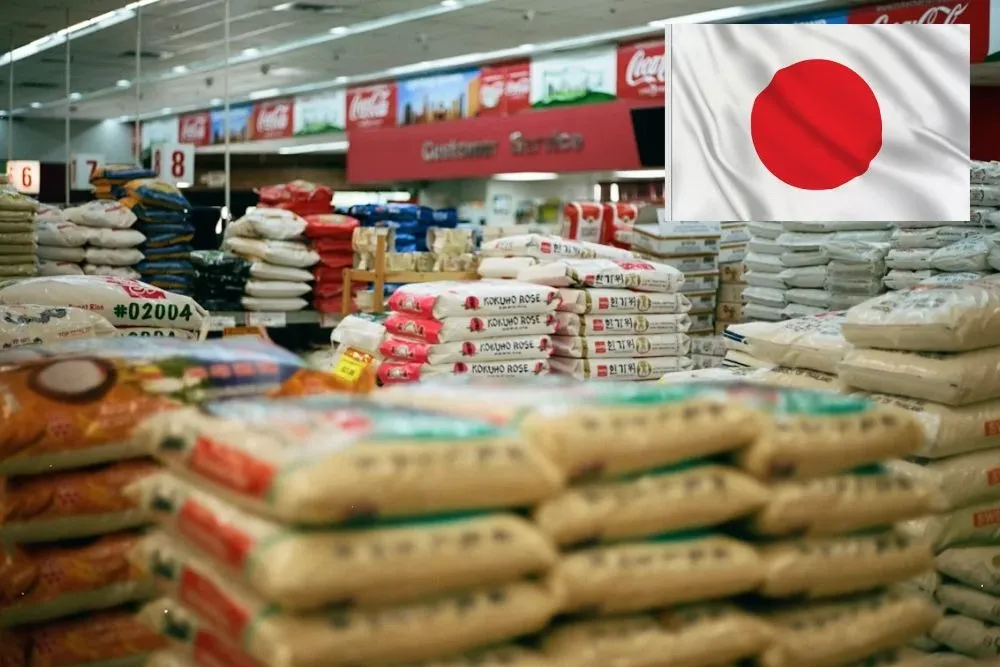
Japan’s rice market has shifted from shortage to surplus within two years, following extreme weather and changing consumer demand. In 2023, severe heat and drought damaged rice production, whereas a tourism boom and panic buying pushed demand higher. The resulting supply shortage sent rice prices sharply upward. In addition, higher prices motivated farmers to increase production. By mid-2026, Japan’s private rice stocks had risen to nearly 2.43 million tonnes, creating a significant surplus and helping prices fall from their earlier highs. The Japanese government is also purchasing around 210,000 tonnes of rice to rebuild emergency reserves. At the same time, the country is increasing rice imports from the United States under a trade agreement. However, the country faces a longer-term challenge. Additionally, Japan’s rice farmers are ageing, with the average farmer now close to 68 years old.
Besides, Climate change, rising temperatures and drought risks, could further complicate Japan’s rice supply in the upcoming years.
Pakistan and Malaysia’s Move to Boost Rice Trade
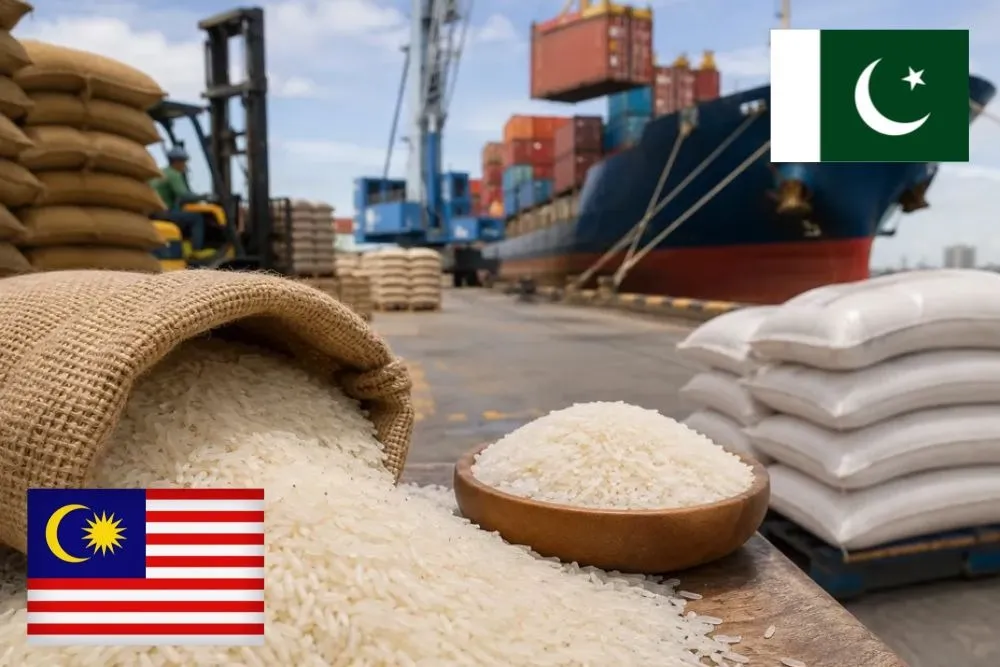
According to reports, Pakistan and Malaysia have agreed to strengthen cooperation in rice trade, halal certification and food security, with a focus on increasing Pakistani rice exports to the Malaysian market. In this case, high-level meetings also took place in Kuala Lumpur involving Pakistani officials, Malaysia’s state rice trading company BERNAS and the country’s agriculture authorities.
In the meetings, discussions focused on helping Pakistani rice exporters meet BERNAS quality standards and improving market access. The two sides also reviewed cooperation on halal certification along with efforts to strengthen certification standards and supply chains for halal agricultural and food products. Beyond rice, officials discussed cooperation in meat, poultry, fisheries, aquaculture technology, animal vaccines, biosecurity and halal gelatin. Both countries agreed to establish a formal model for continued agricultural cooperation.
Broadly speaking, the move comes as Pakistan seeks to expand agricultural exports and strengthen its position in international rice markets, while Malaysia works to secure reliable food supplies.
Share this article
Article Info
Read Time
3 min read
Published
28 Sept 2026
Author
Megha Bajaj
Category
Rice News