Top Rice News: Telangana’s Paddy Procurement, China’s Humanitarian Aid & Myanmar’s Rice Export Zones
Top Rice news today highlights Telangana’s major milestone of paddy procurement resulting in 50 lakh metric tonnes of paddy being procured so far and China’s humanitarian aid of thousands of tonnes of rice to Cuba, since the island continues to face severe shortages of essential goods. Subsequently, Myanmar’s planning of expansion of its rice exports cultivation zones during the current monsoon season.
Telangana Sets Record in Paddy Procurement with 50 LMT Output
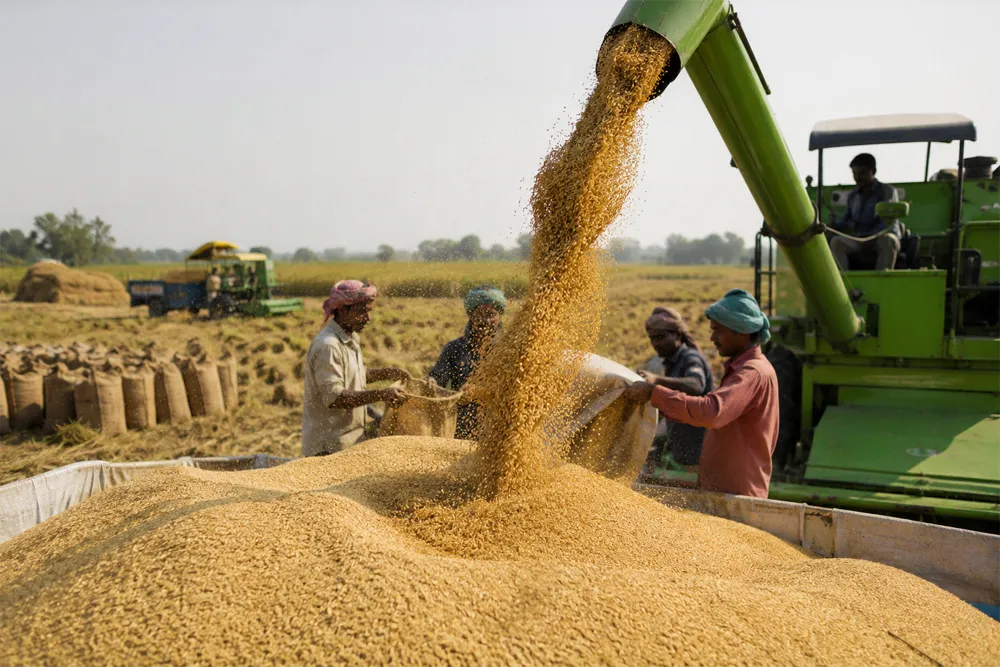
Telangana has achieved a major milestone in paddy procurement. It marks one of its strongest agricultural seasons in recent years. The state reported rice cultivation across nearly 65 lakh acres, which results in around 50 lakh metric tonnes (LMT) of paddy being procured so far. This highlights both improved productivity and efficient procurement operations across the state. The strong performance in paddy procurement indicates the active role of the Telangana government in ensuring smooth procurement at buying centres. Farmers in the state have benefited from structured procurement systems that help them sell produce freely. It ensures better returns and stability in paddy prices.
In addition, timely procurement operations have also boosted confidence among farmers, who depend heavily on government support for fair pricing and assured purchase. The increased scale of Rice Cultivation has further contributed to higher output, making the state one of the major contributors to India’s grain supply. According to officials, efficient handling of paddy procurement has improved Food Security by ensuring steady inflow of grains into storage and distribution networks. This has also helped stabilise market availability and strengthen supply chains across regions.
China Delivers Emergency Aid to Cuba Amid Intensifying US Blockade
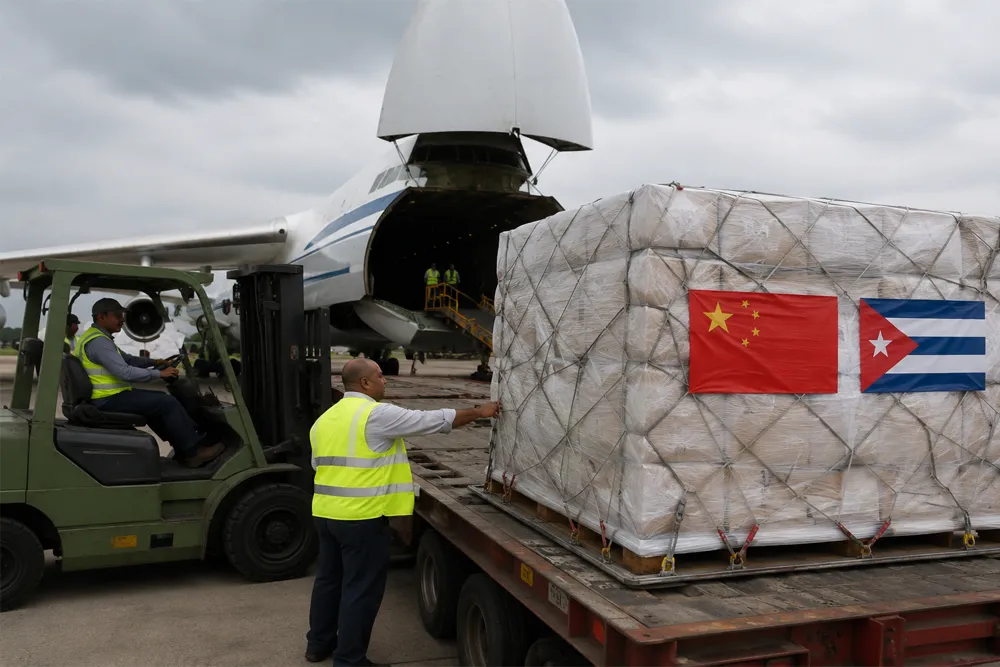
After India, China has emerged as a helping hand for the crisis- suffering nations. Notably, the country has sent a humanitarian aid shipment to Cuba, including thousands of tonnes of rice, as the island continues to face severe shortages of essential goods. The assistance comes amid worsening economic conditions in Cuba, led by the long-standing United States blockade, which has restricted the country’s access to global trade, finance, and essential imports. Moreover, the shipment was delivered through Havana’s port and is part of a larger aid package aimed at improving food availability and providing relief to citizens affected by ongoing shortages. Rice, a staple in the Cuban diet, is a key component of the aid, as supply disruptions have made basic food items increasingly difficult to access for many households.
Cuba has been struggling with inflation, limited foreign exchange reserves, and reduced import capacity, all of which have intensified its food crisis. In this situation, humanitarian assistance is expected to provide short-term relief and help stabilize supply in local markets. China’s support also reflects its broader diplomatic outreach to countries facing economic pressure and supply chain disruptions. By sending essential food supplies, Beijing is strengthening its role as a partner in global humanitarian assistance, particularly in regions affected by geopolitical tensions. The development has attracted international attention, highlighting how food aid is increasingly tied to global political dynamics. As Cuba continues to navigate economic hardship, external assistance remains crucial in managing shortages and ensuring access to basic necessities for its population.
Myanmar Expands Rice Export Zones to 350,000 Acres for Monsoon Season
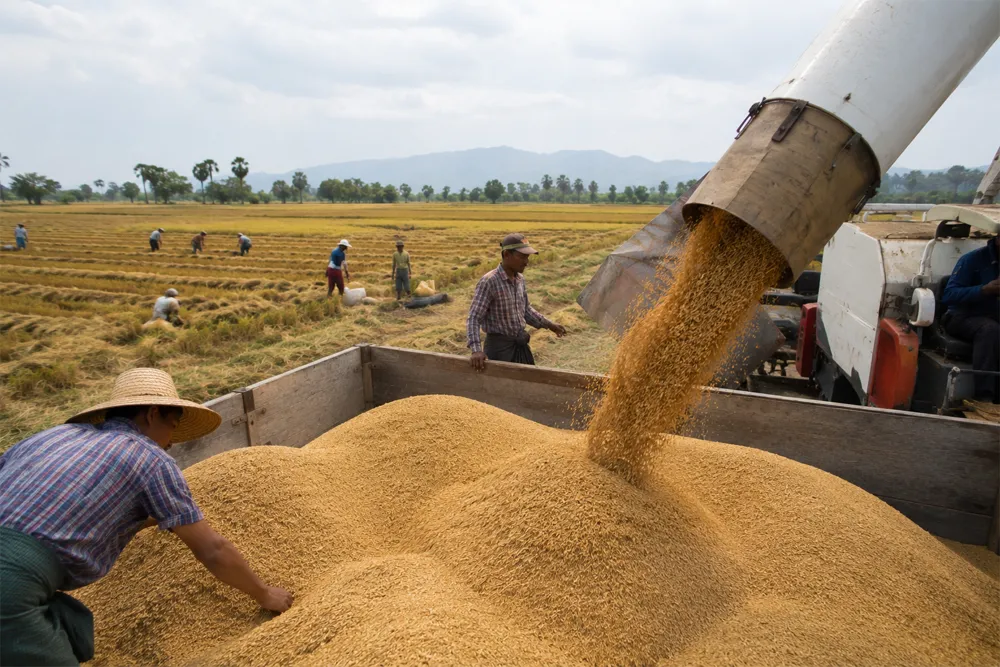
Myanmar is planning an expansion of its rice export cultivation zones during the current monsoon season. It targets nearly 350,000 acres to boost agricultural production and enhance export capacity. The move is part of the country’s broader strategy to boost rice output, enhance foreign trade earnings, and capitalise on growing regional and global demand for rice. According to officials, the initiative will focus on increasing the cultivation of high-quality rice varieties that are better suited for international markets. By expanding export-oriented farming zones, Myanmar aims to enhance productivity, ensure better crop management, and increase competitiveness in the global rice trade. The plan is also expected to support farmers through improved market access and potentially higher incomes. Rice remains one of Myanmar’s most important agricultural commodities and a key contributor to the national economy. With many Asian countries facing supply concerns and fluctuating production levels due to climate conditions and trade disruptions, demand for reliable rice exports has continued to rise across regional markets. The expansion of cultivation zones is also intended to strengthen Myanmar’s position among major rice-exporting nations in Asia. Authorities believe that increasing production capacity will help stabilise export volumes and generate stronger foreign exchange earnings for the country.
According to Agri experts, the success of the initiative will depend on factors such as weather conditions, irrigation support, seed quality, and efficient supply chain management. If implemented effectively, the programme could significantly enhance Myanmar’s agricultural and export performance in the coming seasons.
Share this article
Article Info
Read Time
4 min read
Published
25 May 2026
Author
Megha Bajaj
Category
Rice News