Top Rice News: SK’s Output, Indonesia’ Strategy & Kazakhstan Exports
Top rice news today highlights how South Korea’s rice production is dropping in this year and what’s behind Indonesia’s approach for more rice without vanishing their forests. Lastly, revealing Kazakhstan’s strategy for its sudden rice exports expansion. These are some of the latest developments from the global rice sector today. Keep yourself updated with major news rice stories on daily basis.
South Korea’s Rice Production Seen Dropping 0.6% in 2026. Here’s Why?
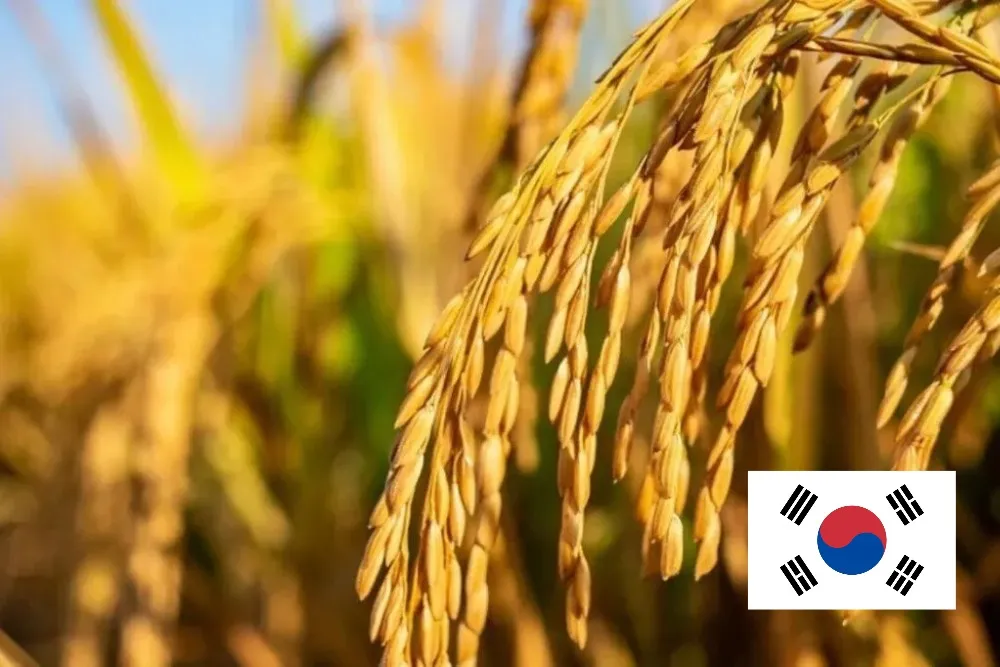
South Korea’s rice production is projected to decrease slightly in 2026, as the country continues to reduce the area devoted to rice cultivation. The Ministry of Data and Statistics stated that rice production is expected to fall 0.6% to nearly 3.51 million tonnes, compared with 3.53 million tonnes last year. Notably, the decrease follows a 1.1% reduction in rice cultivation area, which has dropped to approximately 670,000 hectares.
The government has been encouraging farmers to switch from rice to other crops. It reflects changes in domestic food consumption and weaker demand for rice. As the production decline remains modest, the reduction in planted area highlights a broader shift in South Korea’s agricultural policy. Final production figures are expected in November. For Asian rice markets, the rice story shows how changing consumption patterns and government policies are affecting rice production, with countries increasingly focusing on balancing supply with domestic demand.
Why Indonesia Plans More Rice Without Clearing Forests?
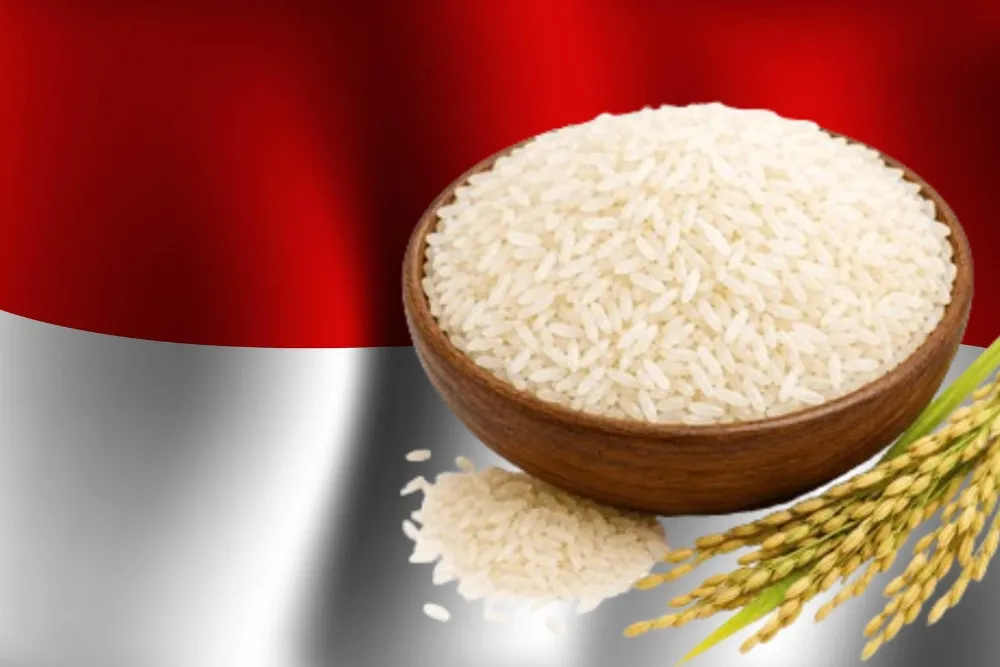
Indonesia is changing its approach to expanding rice production. The move emerges after achieving rice self-sufficiency before of its original 2029 target. Moreover, the government has pledged to stop clearing forests to create new rice fields. Instead, it plans to increase production by enhancing yields on existing farmland and using degraded land for future agricultural development.
The policy represents a shift away from expanding cultivated areas and toward raising rice productivity on land that is already available. Not only this, but it also aims to reduce pressure on Indonesia’s forests. Since, the country seeks to boost food security. However, implementation remains uncertain. The Forestry Ministry has not confirmed whether ongoing agricultural projects in South Papua and Kalimantan will be halted.
Indonesia’s policy could have wider implications for Asian agriculture. It highlights the growing importance of higher yields, efficient land use and more sustainable rice production.
What Is Kazakhstan’s Strategy For Its Sudden Rice Exports Expansion?
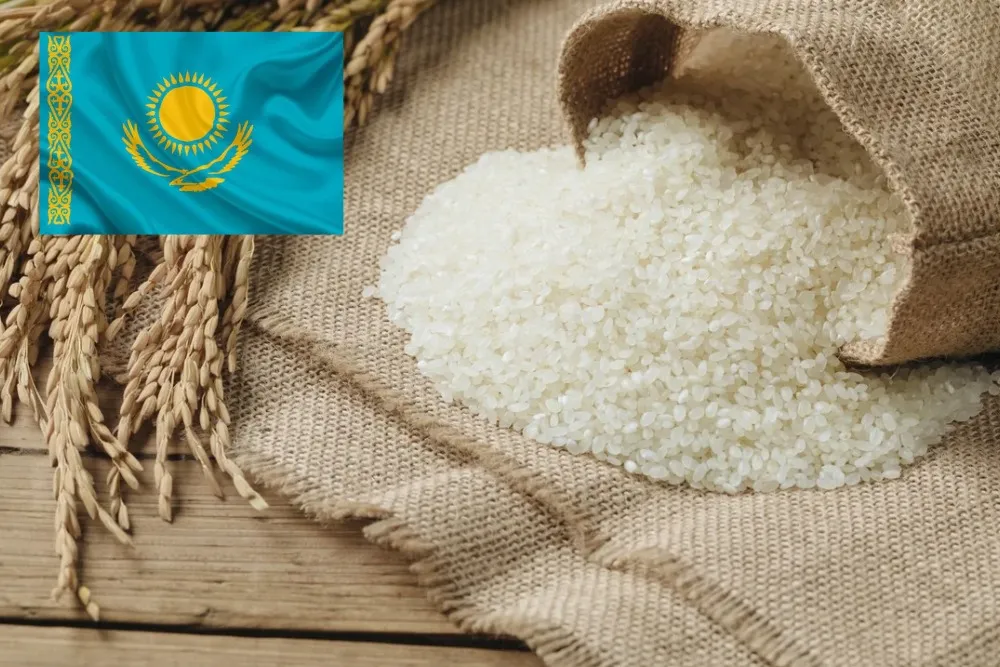
Kazakhstan is rapidly increasing its rice production and exports. It aims to strengthen its position as a growing regional supplier. According to Kazakhstan’s Bureau of National Statistics, the country produced 145,000 tonnes of rice between January and August 2026. It was up 18.6% from the same period last year.
In addition, rice exports increased sharply. Between January and July, overseas shipments rose 25.3%, from 70,900 tonnes to 88,800 tonnes. The significant destinations were Afghanistan, Tajikistan, Russia, Uzbekistan and Kyrgyzstan. Meanwhile, Kazakhstan’s rice imports fell 70.7% to 4,900 tonnes. Exports were therefore 18 times higher than imports during the period. The rise highlights Kazakhstan’s growing role in regional rice trade in Central Asia and Afghanistan. The development shows how regional suppliers are competing for nearby markets for major exporters such as India. It is where logistics and shorter trade routes can offer an advantage.
Share this article
Article Info
Read Time
3 min read
Published
8 Oct 2026
Author
Megha Bajaj
Category
Rice News