Rice News Today: Malaysia’s rice reserves, Pesticides in Kathmandu & Ghana’s plans
Rice news today is related to Malaysia’s rice reserves amid global supply concerns, pesticides in Kathmandu rice raising health concerns and Ghana’s new initiative to boost rice exports with new processing investments.
Malaysia boosts rice reserves to 300,000 tonnes amid global supply concerns
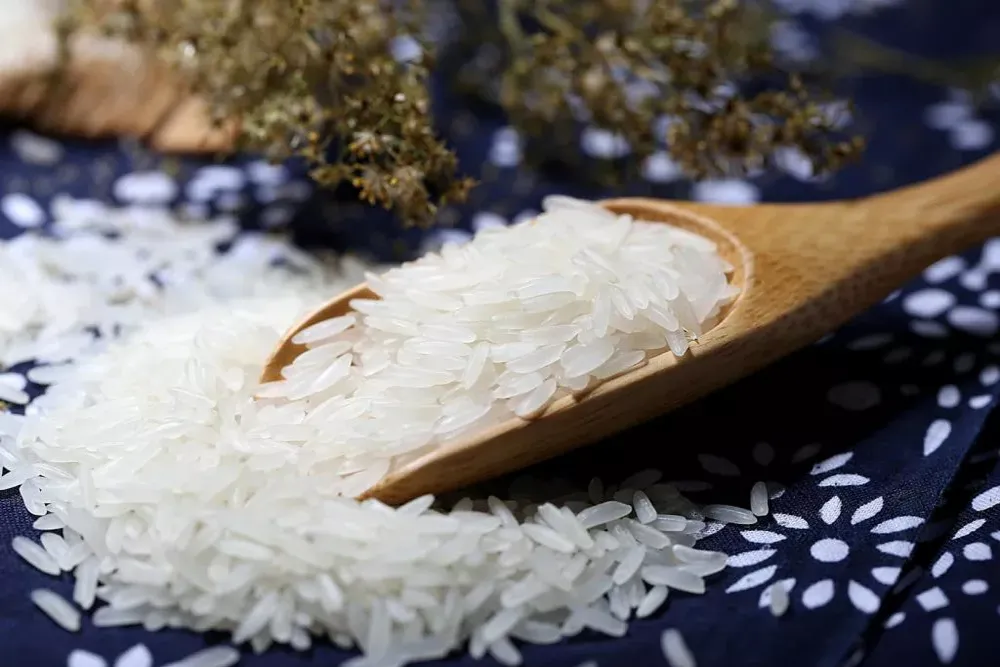
The Malaysian government has recently increased the country’s rice reserve stock to 300,000 metric tonnes as a proactive measure to guard against potential supply disruptions associated with the ongoing global energy crisis. This particular decision is an integrated part of broader efforts to strengthen national food security at a time when international markets are facing heightened uncertainty due to geopolitical tensions and fluctuating energy prices. Moreover, the agri minister said that the move is intended to ensure that rice supply in the country remains sufficient, stable, and secure for all citizens. He emphasised that maintaining adequate reserves is essential to safeguarding the basic needs of the population, particularly in times of global instability that could affect imports, logistics and production costs. Moreover, the minister stressed that the government is closely monitoring global developments and is committed to taking necessary steps to protect food availability. He also appealed to citizens to play their part by practising thrift and avoiding unnecessary wastage, noting that responsible consumption is important in supporting national food security efforts.
Study finds 11 pesticide residues in Kathmandu rice, raising health concerns
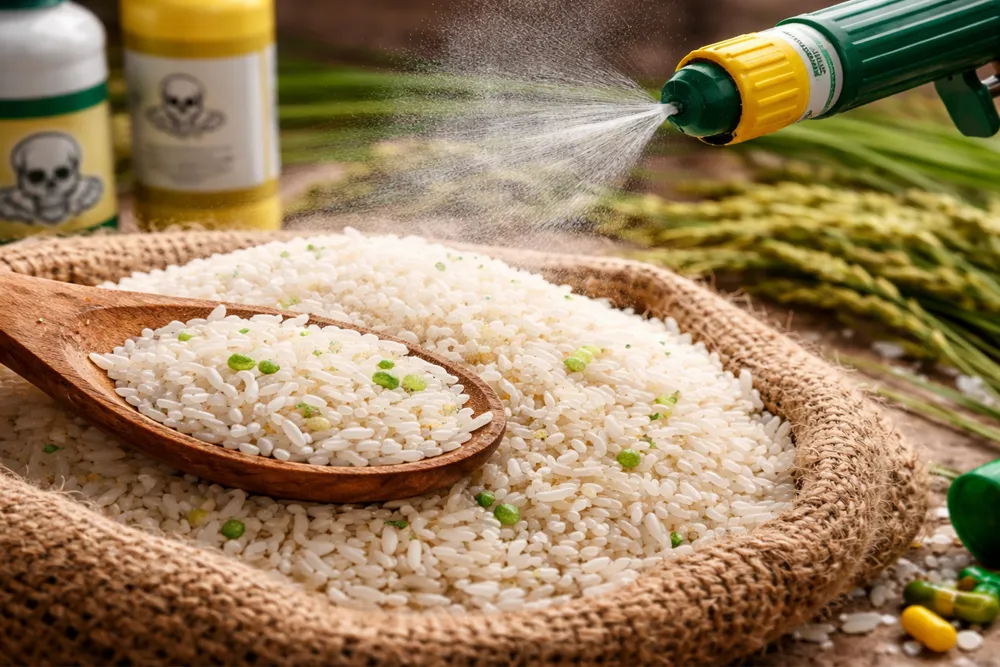
Recently, a study has found residues of 11 different pesticides in rice consumed in the Kathmandu valley, including fungicides, insecticides, and rodenticides. Notably, some of them are banned. Rice sold in Kathmandu contains higher levels of pesticides than rice distributed in Bhaktapur and Lalitpur. In addition, Experts said that basmati rice contains roughly double the pesticide residues compared to non-basmati rice varieties. The report titled "Pesticide use and safety behaviour among rice farmers in Nepal: The 'Assessment of the theory of planned behaviour and potential health risk" was made public by Kathmandu-based Progressive Sustainable Developers Nepal and India's Council of Scientific and Industrial Research-Indian Institute of Toxicology Research. As per the report, pesticide concentrations in rice consumed across the three districts of Kathmandu Valley range from 5.09 micrograms to 312.54 micrograms per kilogram. The report has been published in Springer Nature's international academic journal Environment.
Ghana unveils plan to boost maize and rice exports with new processing investments
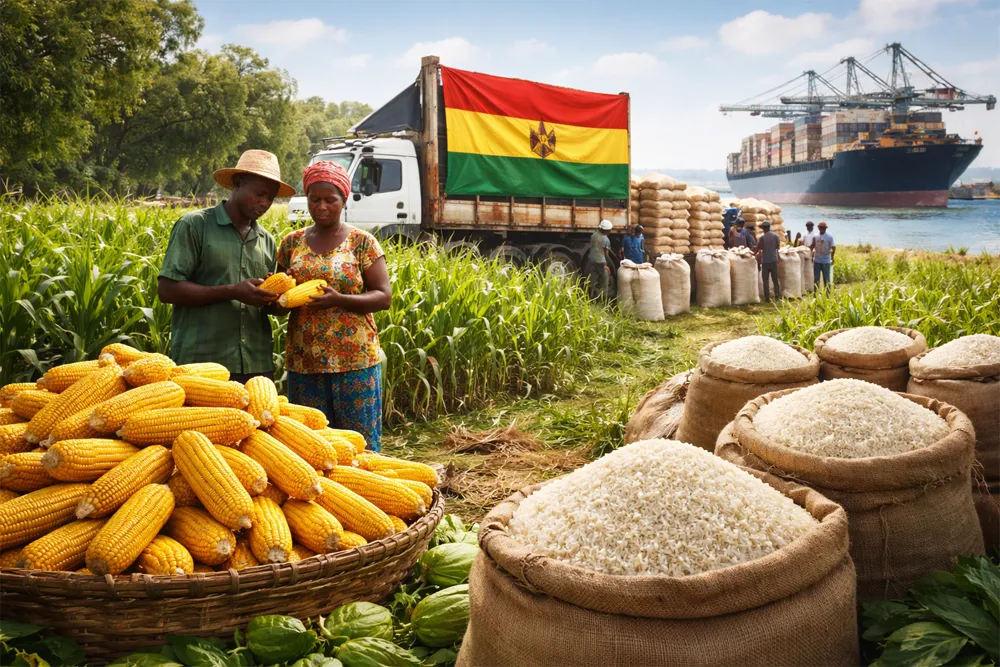
According to the latest updates, Ghana's President John Dramani Mahama has announced a major plan to transform Ghana’s maize and rice production into a large-scale export industry. The President said that the strategy aims to move the country beyond primary production to processing, storage, and export of agricultural commodities. Moreover, he said that we have excess maize and rice production. The opportunity is not just to store, but to process, export, and bring foreign exchange back to Ghana.
Notably, this initiative is being driven by the Ministry of Food and Agriculture under the Feed Ghana Programme, with support from the rollout of Farmer Services Centres (FSCs). These centres are expected to serve as agro-industrial hubs linking farmers to markets and processors. Under this plan, the government will establish five new maize processing plants and expand rice milling capacity, including a major facility in the Fumbisi valley, a significant rice-producing area. Significantly, these facilities are expected to absorb farm produce, stabilise prices, reduce post-harvest losses, and boost large-scale processing.
Share this article
Article Info
Read Time
3 min read
Published
20 Apr 2026
Author
Megha Bajaj
Category
Rice News