Top Rice News: Karnataka Indira Kit, Tiruchi Surge & Vietnam Prices
Top rice news today highlights how Karnataka is replacing extra free rice under the Anna Bhagya scheme with Indira Kits to curb pilferage. At the same time, rice prices in Tiruchi have spiked sharply due to a severe supply crunch from key regional farming hubs. In addition, Vietnam's rice export prices have rebounded, driven by strong, sustained import demand from the Philippines and China, which has significantly tightened available global market supplies across major export varieties worldwide.
Karnataka Replaces Extra Free Rice with ‘Indira Kit’ Under Anna Bhagya Scheme
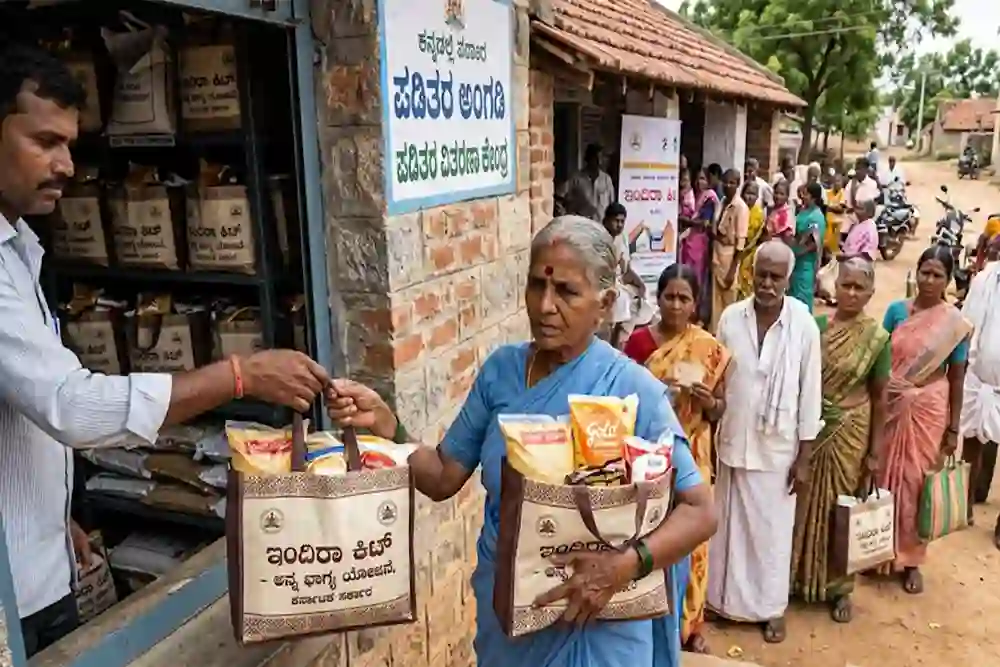
Karnataka is set to replace free rice distribution under the Anna Bhagya scheme with ‘Indira kits’ containing pulses, edible oil, sugar and salt within the next one to two months. On Friday, July 24, Food and Civil Supplies Minister KH Muniyappa said: "We are providing 10 kg free rice to nearly 4.42 crore beneficiaries every month under the Anna Bhagya scheme. The tender process to distribute Indira kits is in its final stage, and the Rs 6,000-cr scheme will be rolled out in a month or two ". While speaking to reporters after a progress review meeting with the Karnataka State Guarantee Implementation Authority members in Bengaluru, he also mentioned that the kits would help stop pilferage and diversion of the free rice to the black market. They will ensure nutritious food reaches every household, especially children. Moreover, the government has planned to install GPS tracking devices on the vehicles transporting rice supplies, CCTV surveillance in godowns, taluk societies and fair price shops to monitor the fair price shops under the Public Distribution System (PDS).
Why Rice Prices Surge In Tiruchi Amid Supply Crunch?
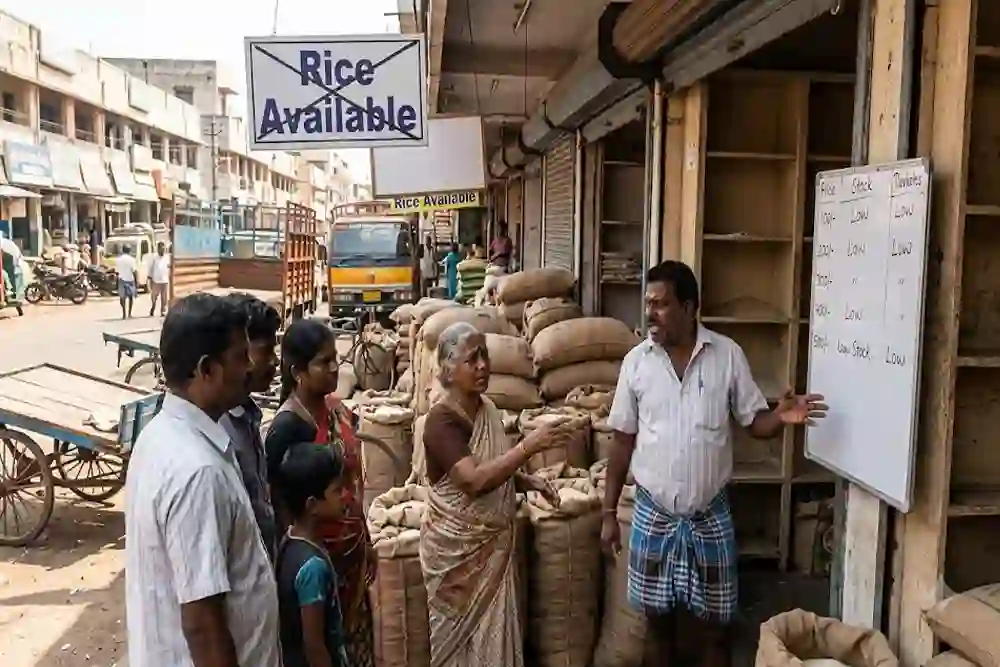
Rice prices in Tiruchi (Tiruchirappalli), Tamil Nadu, have spiked sharply following a severe supply crunch of paddy from major regional farming hubs. Milling centres in nearby Manachanallur, Ariyamangalam, and Kattur depend heavily on paddy from Cauvery delta districts as well as neighbouring states such as Karnataka, Andhra Pradesh, and Telangana. Notably, these states have faced a significant drop in incoming stock.
Wholesale rates for popular fine-quality rice varieties like Atchaya Ponni (Karnataka Ponni) jumped from ₹1,500 to ₹1,700 per 26-kg bag since May, pushing retail prices up to ₹70–75 per kg. Premium Seeraga Samba rose from ₹120–150 to ₹160–200 per kg. At the same time, raw 63-kg paddy bags climbed from ₹1,450 in January to an unprecedented ₹2,100. Traders attribute the crisis to drought conditions, a shrinking kuruvai cultivation footprint, and minimal paddy arrivals from the Cauvery delta and Karnataka.Moreover, large number of farmers holding back stock in anticipation of further rate increases are compounding the supply bottleneck, which is raising concerns about additional price hikes.
How Soaring Philippine and Chinese Demand Is Pushing Vietnam’s Rice Export Prices ?
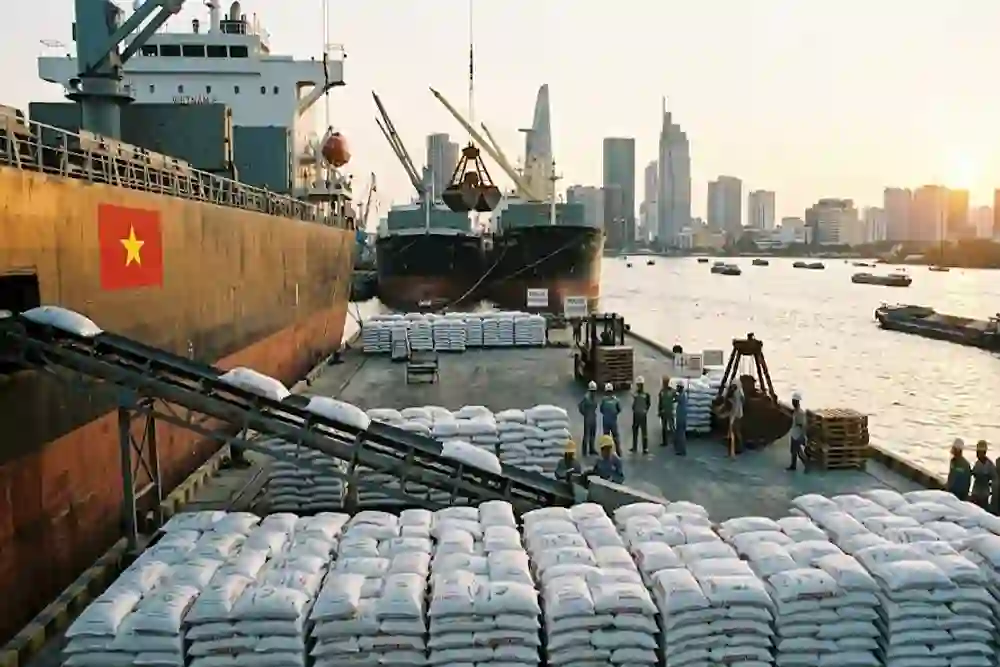
Vietnamese rice prices increased m-o-m in July, supported by firm demand from major markets including the Philippines and China. According to the Vietnam Food Association (VFA), Jasmine rice was quoted at $513-517/tonne (t), up around $8/t from 22 June as of 22 July. Fragrant rice with 5% broken grains was priced at $510-520/t, up $20-30/t, while 100% broken fragrant rice was quoted at $348-352/t, up approximately $4/t. This rise comes despite lower exports in June, during which Vietnam exported 755,900 t of rice worth $375.8 million, in the comparision of last month, export volume fell 10.2%, while export value declined 12.6%.
In addition, Vietnam exported 5.02 million tonnes (mnt) of rice during the first half of 2026, generating $2.38 billion in export earnings. Compared with the same period last year, export volume increased 2.5%, while export value declined 9.2%, indicating lower export earnings despite higher shipment volumes. Sustained import demand from the Philippines and China has supported Vietnam's rice export prices by increasing competition for available export supplies. As the Philippines remains Vietnam's largest rice buyer and China continues to procure significant volumes of fragrant and speciality rice, exporters have been able to secure higher prices, particularly for premium rice varieties.
Share this article
Article Info
Read Time
4 min read
Published
25 Jul 2026
Category
Rice News