Top Rice News: Kalajeera, Global Shortage And New Variety
Top rice news today covers Kalajeera rice cultivation in Odisha, climate-related threats to global rice production and SKUAST-K’s new aromatic rice variety for Kashmir. From farmer incomes and premium rice markets to rising temperatures and food security concerns, these developments highlight the changing landscape of the rice sector and emerging opportunities for farmers, researchers and the wider agricultural industry.
IRRI to Boost Kalajeera Rice Cultivation in Odisha
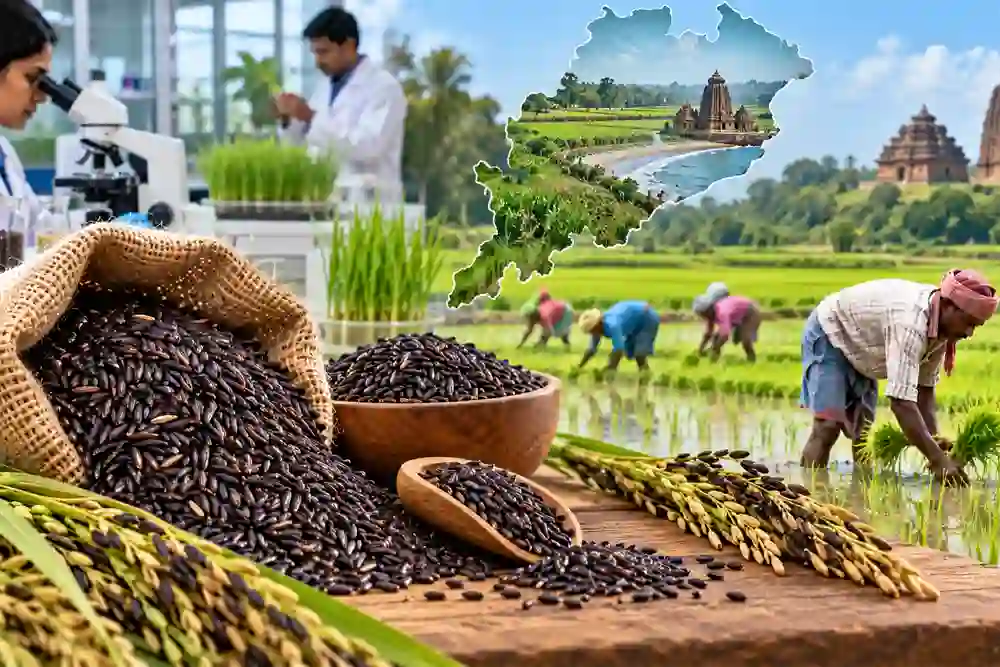
The International Rice Research Institute (IRRI) has partnered with the Odisha government to scale up the cultivation and commercialisation of indigenous rice varieties, with a special focus on Kalajeera rice. The collaboration aims to provide advanced technical support to preserve the variety’s aroma, genetic purity and quality while expanding its cultivation area.
Known as the prince of rice, Kalajeera is a rare, GI-tagged rice aromatic variety grown by tribal farmers in Koraput district. The government plans to promote it as a demonstration crop, helping farmers benefit from better market valuations and minimum support prices.
The initiative will also focus on developing value-added products from broken rice, along with local rice mills and regional processing facilities. These measures are expected to create opportunities for rural farmers and women’s groups to become micro-entrepreneurs. Moreover, the partnership builds on growing cultivation in Koraput. In 2024, more than 1,800 farmers cultivated Kalajeera across 1,365 acres, while the area expanded to around 2,000 acres in 2025
Why Rising Temperatures Trigger Global Rice Shortage?
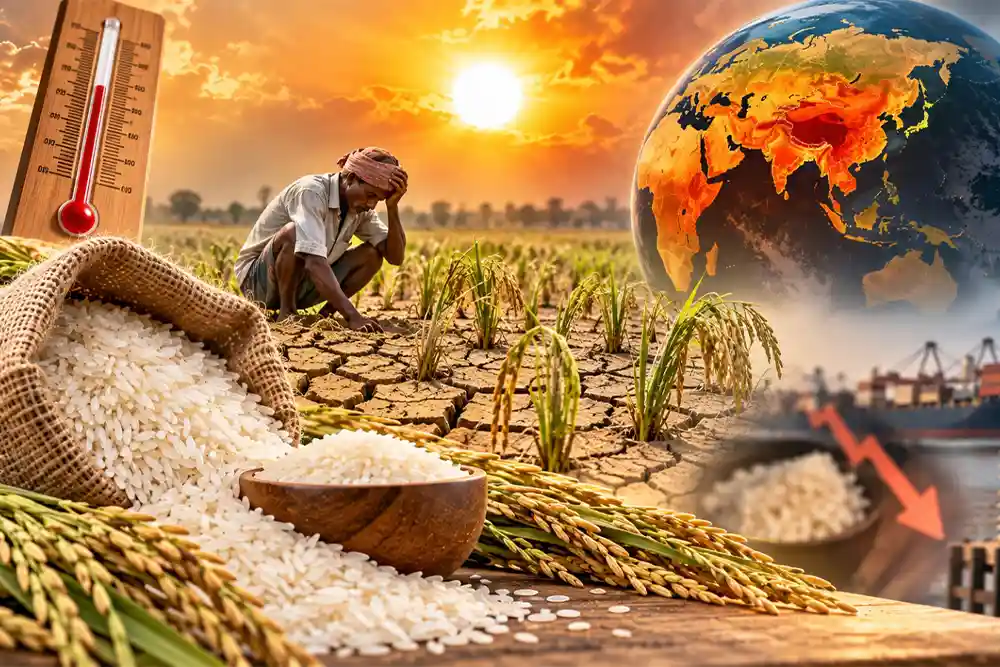
A new study warns that rising global temperatures could pose a serious threat to rice production and food security. Researchers found that existing climate models may significantly underestimate the impact of extreme heat on rice yields. Their analysis suggests that a 1°C rise in temperature could reduce rice yields by an average of 8.1%, more than double the 3.8% decline projected by some current models.
Extreme temperatures above 30°C are particularly damaging since they can disrupt the rice plant’s growth and grain development. With global temperatures continuing to rise, researchers fear that rice-producing countries could face increasingly severe production losses.
The findings raise concerns for global food supplies, particularly in regions heavily dependent on rice as a staple food. Lower production could also contribute to higher rice prices and greater pressure on already vulnerable food systems.
Kashmir: SKUAST-K Develops New Aromatic Rice Variety
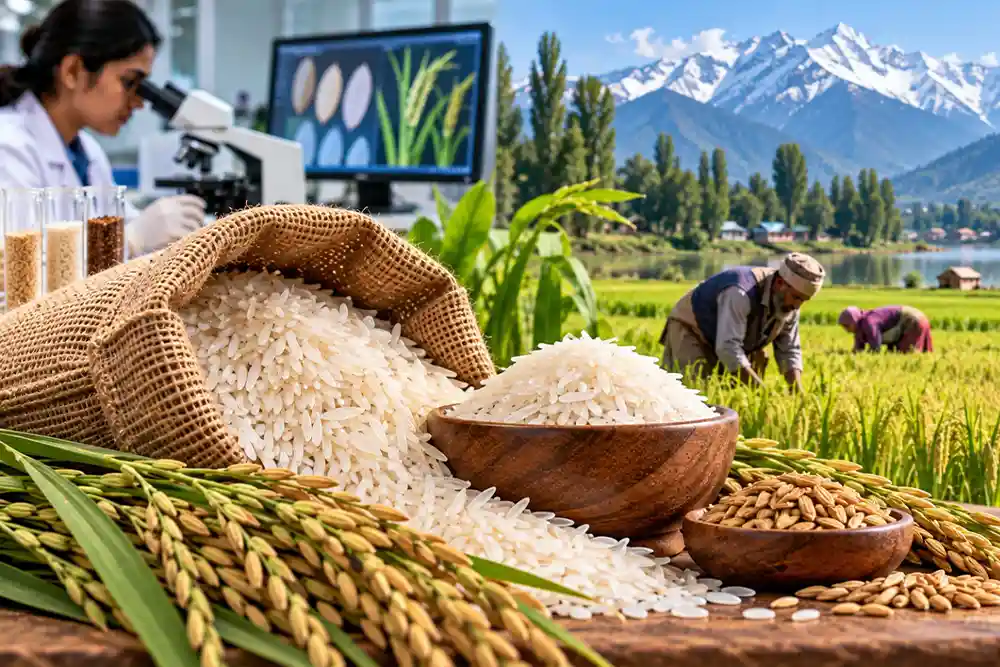
Sher-e-Kashmir University of Agricultural Sciences and Technology of Kashmir (SKUAST-K) has developed a new fine-grain aromatic rice variety aimed at benefiting farmers in the Kashmir Valley. The development is expected to offer an alternative premium rice option suited to local growing conditions while meeting consumer demand for high-quality aromatic varieties. Aromatic rice is valued for its distinctive fragrance, taste and grain quality.
The new variety could help improve farmers’ income by creating opportunities in the premium rice market. In addition, the initiative highlights the role of agricultural research in developing region-specific crop varieties that combine quality with better commercial potential.
Kashmir already has a tradition of cultivating aromatic rice, including the GI-tagged Mushkbudji rice variety, which is grown in several parts of the valley.
SKUAST-K’s latest development could therefore boost the region’s aromatic rice sector, support crop diversification and provide farmers with greater access to high-value markets.
Share this article
Article Info
Read Time
3 min read
Published
10 Sept 2026
Author
Megha Bajaj
Category
Rice News