Top Rice News: Japan’s Stocks, Indonesia’s High-Yield Seeds & El Niño
Top Rice News today highlights major developments shaping the global rice industry. Japan’s rice stocks could hit a record 2.83 million tonnes, increasing price pressure. Indonesia is expanding high-yield rice seeds capable of producing 10–13 tonnes per hectare. Meanwhile, Super El Niño threatens rice production across ASEAN through drought and extreme heat, raising concerns over rice supply, prices, farmer incomes and regional food security.
Japan’s Rice Stocks Set to Hit Record High
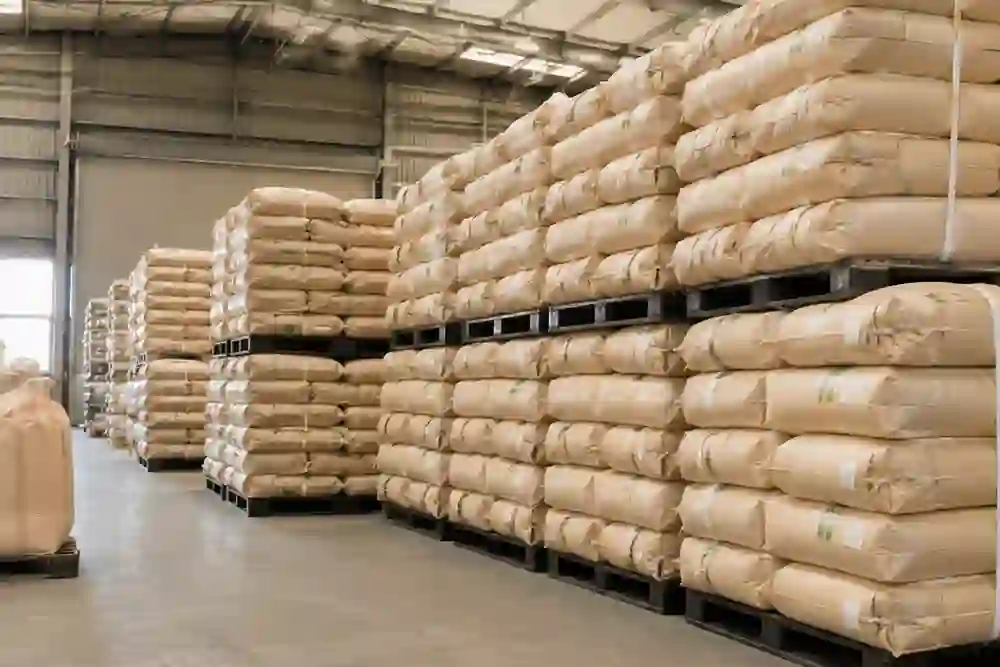
On September 2, Japan's Ministry of Agriculture, Forestry and Fisheries (MAFF) released its latest supply-demand outlook, which projected that private inventories of table rice will reach as much as 2.83 million tons by the end of June 2027. Notably, it does not include the government's buyback of reserve rice. With the 2026 crop year's harvest expected to increase the average, the production forecast has been revised upward, and inventories are projected to far surpass appropriate levels. Significantly, the figure would exceed the previous record of 2.43 million tons set at the end of June 2026 and could exert further downward pressure on rice prices. Moreover, the latest outlook indicates crop condition estimates for the new rice harvest as of August 15. The yield forecast for the 2026 crop year, released on August 31 which projects output to be somewhat above average in 24 prefectures, prompting a recalculation of production estimates.
Indonesia Bets Big On High-Yield Rice Seeds This Time
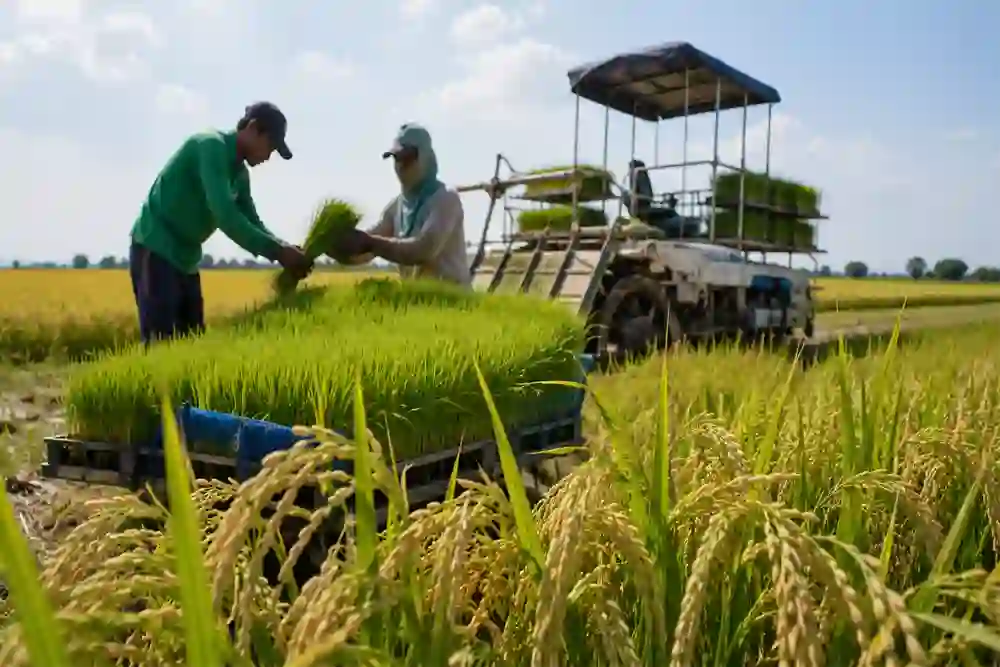
Indonesian Agriculture Minister Andi Amran Sulaiman stated that high-yield rice seeds could produce yields of 10-13 tons per hectare. Notably, the seeds were produced by the Indonesian Centre for Rice Agricultural Modernisation (BRMP Padi) in Subang District, West Java. On Wednesday, during an inspection of rice seed production at the BRMP Padi facility, Amran stated: "We will expand their use on a massive scale throughout Indonesia". As per Amran, the seed centre in Subang is the largest of its kind in Southeast Asia, with annual production reaching 250 tons. Amran stated rice varieties produced by BRMP Padi could achieve yields of 10-13 tons per hectare and should continue to be developed to help maintain national food security. He stated: We must take good care of this. This is the largest rice seed centre in Southeast Asia. We must protect and oversee it. The yields can reach 10 to 13 tons. According to Amran, the centre produces various types of rice seeds suited to different conditions, including the rainy and dry seasons, as well as drought-tolerant varieties. The Ministry of Agriculture earlier announced plans to allocate subsidised rice seeds for at least 1 million hectares of farmland next year to increase rice productivity and encourage farmers to adopt modern agriculture and advanced agricultural systems (PM-AAS).
Super El Niño Puts ASEAN Food Security at Risk. Here’s How?
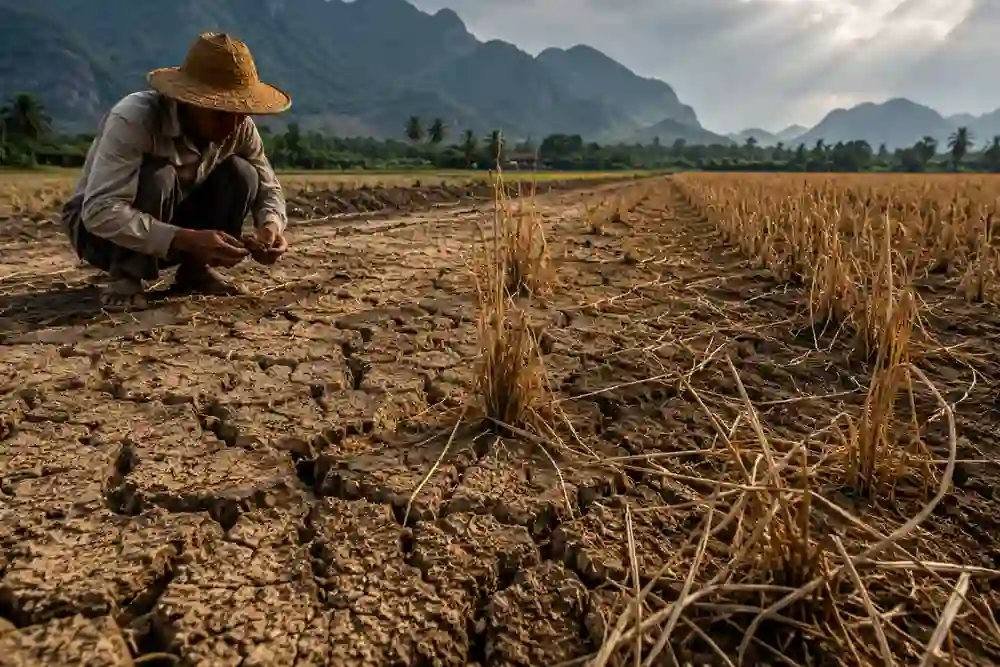
A strong Super El Nino is threatening agriculture and food security in ASEAN, with drought and extreme heat expected to hit significant rice-producing regions. Thailand, Indonesia, Vietnam and the Philippines face growing risks to crops, water supplies and rural livelihoods. Rice and palm oil could see production declines, pushing food prices higher. Moreover, experts warn the climate shock could add to inflation and strain already vulnerable economies. Governments are preparing through better water management, drought-resistant crops, irrigation and emergency measures, but farmers remain exposed. Not only this, the event could increase wildfire, haze and fisheries risks in the Southeast Asia. With El Niño expected to intensify into 2027, the region faces a difficult balancing act: protecting food supplies while sustaining agricultural exports.
Share this article
Article Info
Read Time
3 min read
Published
3 Sept 2026
Category
Rice News