Top Rice News: Iran-Israel Conflict Halts Indian Rice Exports. How?
Top rice news today highlights that the increasing Iran-Israel conflict has started taking a toll on India's rice export sector since rice shipments have been stranded at ports and in transit. Japanese farmers are planting heat-resistant rice varieties due to soaring temperatures and changing weather patterns, which threaten the country’s rice production. Moreover, Myanmar recorded a strong start to its rice trade in the 2026–27 fiscal year, by exporting over 300,000 tonnes of rice in the opening months.
Iran-Israel Conflict Halts Indian Rice Exports. How?
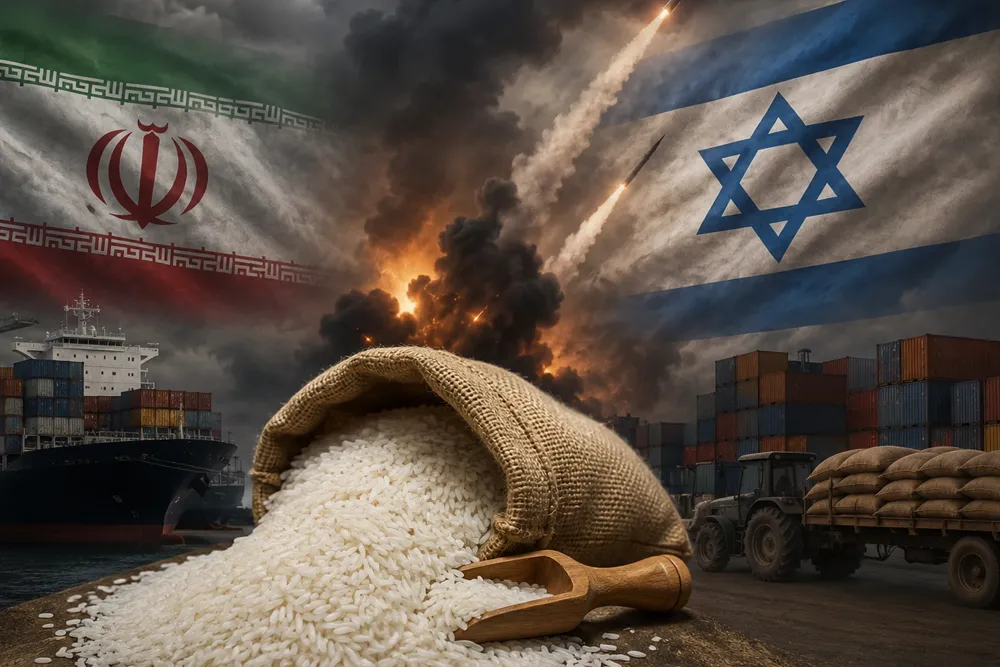
The increasing Iran-Israel conflict has started taking a toll on India's rice export sector. Since, the thousands of tonnes of shipments reportedly stranded at ports and in transit. The disruption has been triggered by growing instability in West Asia, a key destination for Indian rice exports, particularly premium basmati rice varieties.
As per industry reports, exporters are facing major challenges due to shipping delays, rising freight charges, and increased insurance costs. The uncertainty challenge has been posed for critical maritime routes, such as the Strait of Hormuz. It has led to vessel disruptions and delayed deliveries, impacting trade commitments in the region. Moreover, the crisis has effected new export agreements, as both buyers and sellers remain meticulous amid volatile market conditions. According to exporters, delayed payments and halted orders are creating liquidity pressures, further restricting the sector. India relies heavily on Middle Eastern markets for its basmati rice shipments. Notably, India accounts for more than 40% of global rice exports
Industry stakeholders are closely monitoring the geopolitical situation, warning that prolonged conflict could deepen supply chain disruptions and increase costs across the export ecosystem. The developments highlight the vulnerability of agricultural trade to geopolitical tensions and global shipping disruptions.
Japan’s Farmers Turn to Heat-Resistant Rice to Combat Climate Threats
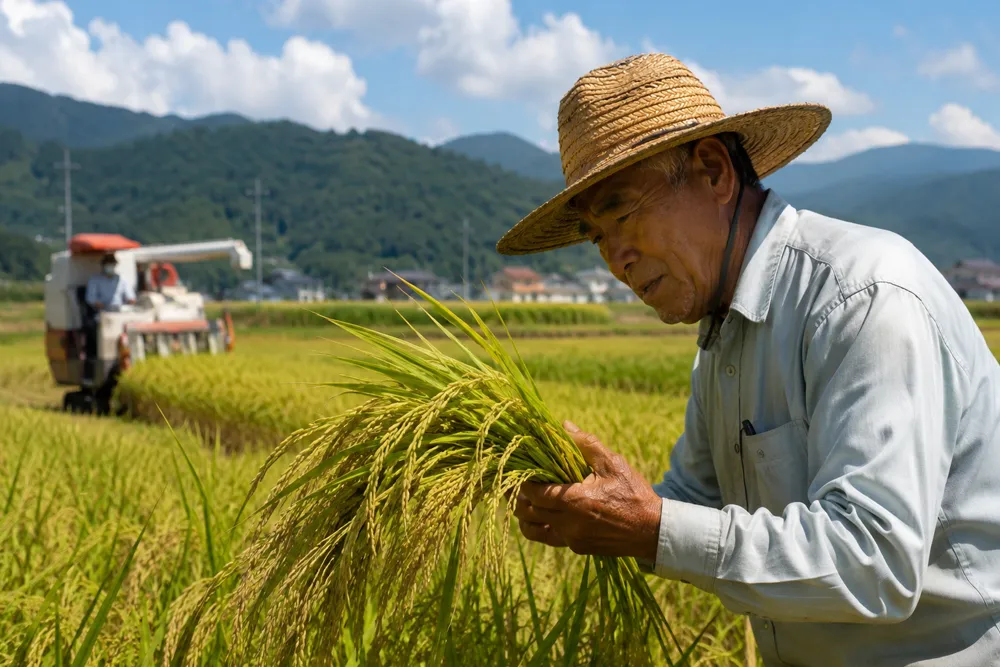
Farmers in Japan are planting heat-resistant rice varieties due to soaring temperatures and changing weather patterns, which threaten the country’s rice production. The shift comes amid growing concerns that prolonged heatwaves and lower rainfall could decrease crop yields and affect grain quality in major rice-producing regions. Agricultural experts stated that heat-resistant rice varieties are developed to withstand higher temperatures during critical growing stages, helping farmers maintain both production and quality. The cultivation of such varieties has expanded significantly in recent years as climate-related risks continue to intensify in Japan. The move follows a series of hot summers that have damaged rice crops, contributed to supply shortages, and pushed prices higher. Record heat and drought conditions have raised concerns over water availability for irrigation in major rice-growing regions. Climate experts warn that soaring global temperatures could continue to challenge food production systems worldwide. Making crop adaptation strategies is significant. In response, Japanese farmers, researchers, and policymakers are investing in more resilient rice varieties and enhanced cultivation practices to protect future harvests. The adoption of heat-resistant rice shows how agriculture is adapting to climate change, while seeking to safeguard food security and farmer incomes in the years ahead.
Myanmar Kicks Off Fiscal Year With Over 300,000 Tonnes of Rice Exports
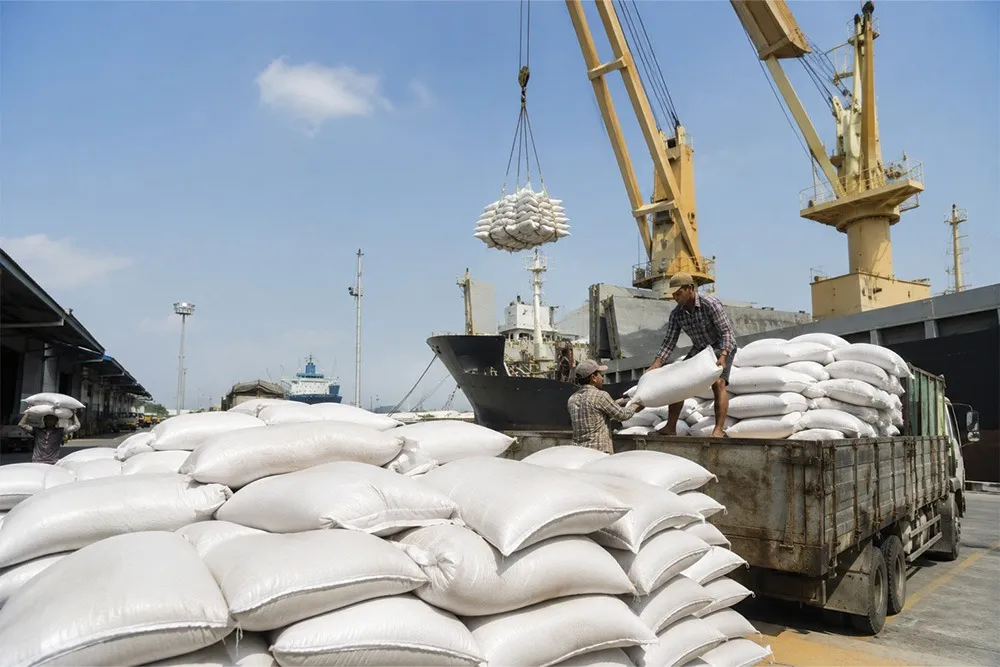
According to official and industry reports, recently, Myanmar has recorded a strong start to its rice trade in the 2026–27 fiscal year, by exporting over 300,000 tonnes of rice in the opening months. The surge highlights the country’s continued role as a major rice supplier in the regional and global market, for Asian and African buyers.
Officials observed that the early export performance indicates enhanced production conditions, stable demand from trading partners, and better logistical coordination compared to previous years. Notably, Myanmar’s rice exports are driven by demand from China, African nations, and Southeast Asian markets, where the grain remains a staple food item.
Industry observers say the export momentum could help Myanmar boosts foreign exchange earnings at a time when the country is seeking to balance its economy. However, challenges remain, including changing global rice prices, transportation costs, and domestic policy constraints that can effect shipment volumes. In addition, the development adds to broader trends in the global rice market, where supply dynamics are shifting due to weather conditions, geopolitical tensions, and trade disruptions in other rice-exporting countries.
Share this article
Article Info
Read Time
4 min read
Published
9 Jun 2026
Author
Megha Bajaj
Category
Rice News