Top Rice News: India’s Aid, Tripura's Scented Rice & Global Consumer Trends
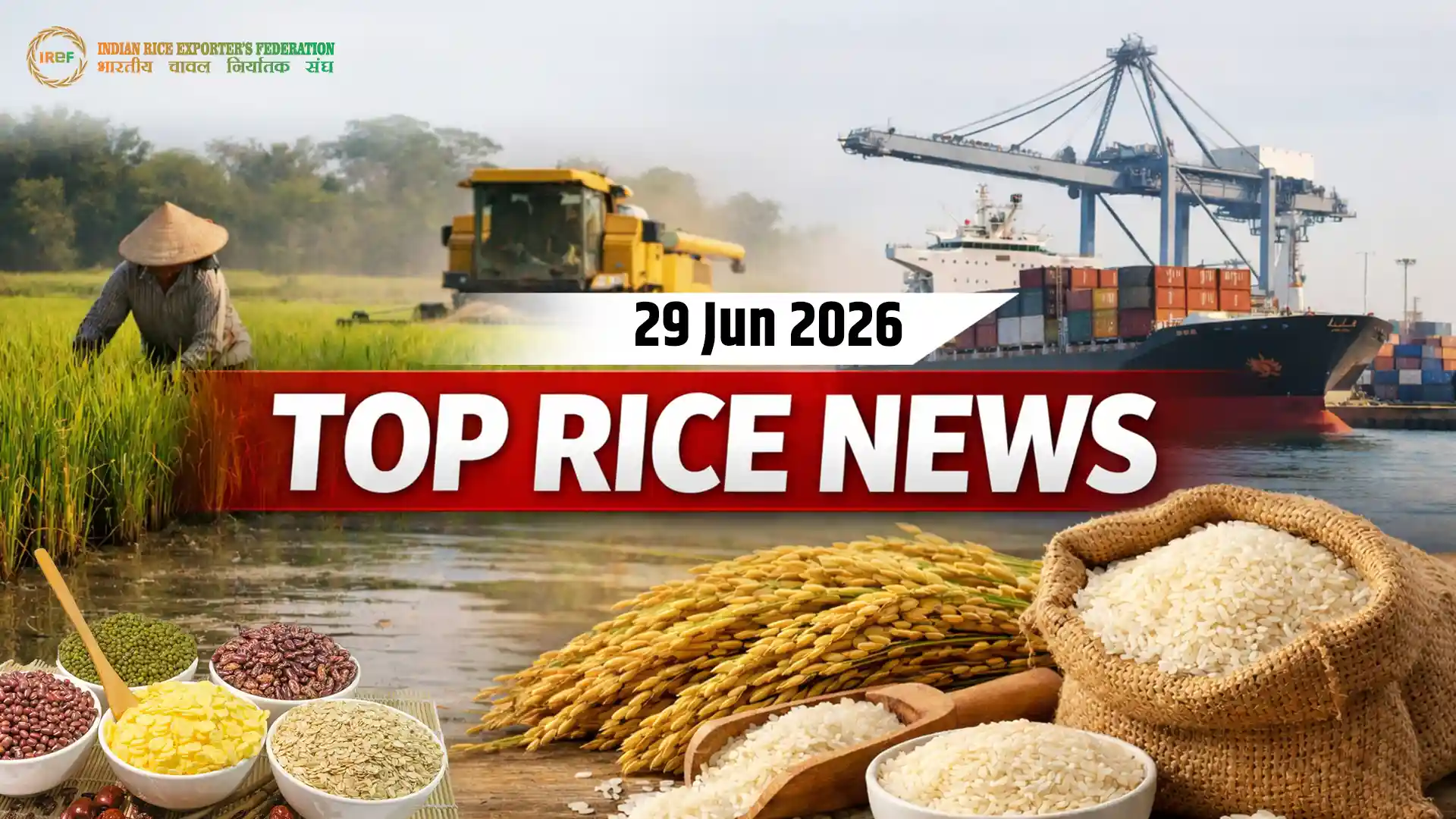
Top rice news today covers India's growing influence in the global rice sector. India has offered special assistance to Seychelles by supplying 500 metric tonnes of rice and 8,500 metric tonnes of cement to help the island nation in tackling supply disruptions caused by the ongoing West Asia crisis, boosting food security and bilateral ties. At the same time, the Centre has announced plans to promote Tripura's scented rice, alongside ginger, jackfruit, and the renowned Queen pineapple, to expand market access and enhance farmer incomes. On the global front, demand for premium, traceable basmati rice continues to rise as consumers look for quality, authenticity, sustainability, and transparency. Indian exporters are responding with stronger branding, better packaging, and value-added offerings to meet evolving international preferences.
India’s Special Aid Rice And Cement Aid To Seychelles Amid West Asia Crisis

India has extended a special assistance package to Seychelles by delivering 500 metric tonnes of rice and 8,500 metric tonnes of cement to help the island nation in managing the supply disruptions which is caused by global challenges such as the ongoing tensions in the West Asia region. Moreover, the shipment aims to boost food security and support infrastructure development in Seychelles. The rice supply will be able to address the essential food needs, whereas the cement consignment will contribute to construction and development projects in the suffering country. Additionally, the move underscores India’s role as a reliable partner for countries in the Indian Ocean region, particularly during periods of economic uncertainty and global supply chain pressures. Also, it signals towards the bilateral relationship between India and Seychelles, built on cooperation in areas including trade, development, maritime security and regional stability. By offering such assistance, India has reinforced its commitment to supporting neighbouring and partner nations, along with expanding its strategic engagement in the Indian Ocean. The initiative represents humanitarian support and regional diplomacy can work together to boost long-term partnerships.
Why Is Centre Promoting Tripura's Scented Rice To Boost Market Reach?
On Sunday, June 28, Union Agriculture Minister Shivraj Singh Chouhan said that the Centre will promote Tripura's major agricultural products, such as scented rice, ginger and jackfruit, to strengthen their market reach alongside the State's famed Queen pineapple. While attending the attending the second day of the Tripura Global Pineapple Festival in New Delhi, the minister said the Centre would work to improve the visibility and marketing of the State's unique farm produce under the leadership of PM Narendra Modi. Not only this, but while congratulating the farmers of Tripura, Chief Minister Manik Saha and Agriculture Minister Ratan Lal Nath, the Union Minister stated that the Queen pineapple has carved out a distinct identity for its exceptional taste and sweet aroma. He mentioned that the fruit has gained recognition not only within Tripura but also in other States and international markets, adding that the festival had brought the flavours of Tripura to the national capital. In addition, the minister said the Centre would also emphasise promoting other agricultural products for which the state is known, such as scented rice, ginger and jackfruit, to create better market opportunities for farmers and boost the rural economy. He expressed confidence that greater promotion of Tripura's agricultural produce would contribute to the State's economic growth, along with supporting the country's overall agricultural development.
Global Consumer Trends Triggers Demand for Premium, Traceable Basmati Rice
The global basmati rice market is changing as consumer preferences shift towards premium quality, authenticity, health, and sustainability. According to sources, International buyers are valuing basmati for its aroma, long grains, cooking quality, and traceability rather than treating it as a regular staple. Moreover, the demand is increasing beyond traditional South Asian communities, with popularity in Middle Eastern, European, and Western markets. Indian exporters and brands are responding by emphasising stronger branding, enhanced packaging, digital sales channels, and value-added products. In addition, Consumers are showing greater interest in packaged rice with clear information about quality and origin. But the industry battles with challenges including price competition, export policy changes, and maintaining consistent quality. The basmati rice future will rely on innovation, sustainable farming practices, and the ability of producers to meet evolving global consumer expectations.
Pakistan’s Loss, India’s Gain: Basmati Export Opportunity increases
India’s basmati rice exporters could witness a major boost in shipments to Afghanistan as Pakistan faces challenges in maintaining its traditional export advantage. Moreover, changing trade dynamics, supply disruptions, and shifting buyer preferences are generating new opportunities for Indian exporters to boost their presence in the Afghan market. India’s premium basmati varieties, known for quality, aroma, and consistency, are gaining wider acceptance among international buyers. Exporters expect increased demand as Afghanistan looks for reliable suppliers amid evolving regional trade conditions. This development could further improve India’s position in the global basmati rice market, along with opening new avenues for farmers, millers, and exporters. But maintaining competitive pricing, quality standards, and efficient supply chains will remain vital for India to capture and sustain this emerging opportunity in Afghanistan.
Share this article
Article Info
Read Time
5 min read
Published
29 Jun 2026
Author
Megha Bajaj
Category
Rice News