Top Rice News: India-Pakistan Basmati Rivalry — Who Wins?
Top rice news Today highlights that Aus Rice production reduced by 3 percent in the July-August period of FY26. According to the Bangladesh Bureau of Statistics (BBS) have shown that farmers harvested 27 lakh tonnes of rice, down from 27.9 lakh tonnes in fiscal year 2024-25. Moreover, the reopening of shipping routes through the Strait of Hormuz has reopened which increases the propensity of restoring trade flows and further intensifies the competition between India and Pakistan in the Gulf’s premium rice markets, such as Saudi Arabia, the UAE and Iran.
Aus Rice Production Falls By 3 % In FY 26. Here’s Why?
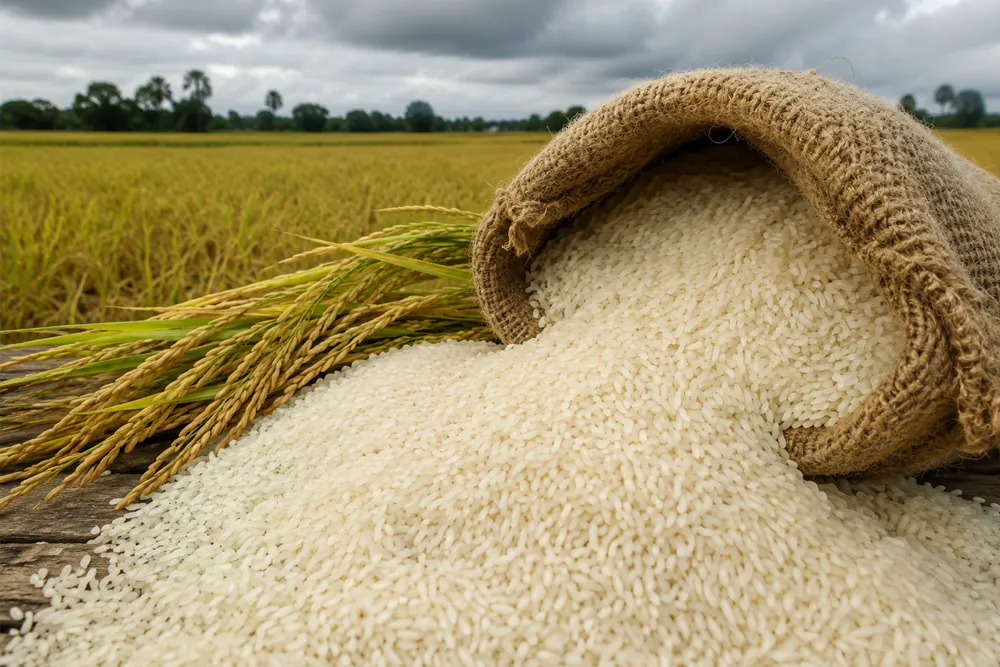
According to sources, Rice production in the latest Aus season declined 3 percent, due to a reduction in both the enclosure and yield of the crop harvested during the July-August period of FY26. The data from the Bangladesh Bureau of Statistics (BBS) have shown that farmers harvested 27 lakh tonnes of rice, down from 27.9 lakh tonnes in fiscal year 2024-25. The yield of Aus in fiscal year 2025-26 stood at 2.865 tonnes per hectare, marking a 1.65 percent year-on-year decline from the earlier Aus season in fiscal year 2024-25. BBS stated the area under Aus cultivation fell 1.44 percent to 9.45 lakh hectares in fiscal year 2025-26 from 9.58 lakh hectares in the same period of the previous year. According to the BBS, farmers have been shifting from Aus rice cultivation to other seasonal crops due to the prospect of higher profits. This has resulted in a gradual decline in both the area under Aus cultivation and production. Notably, Aus accounts for less than one-tenth of Bangladesh's annual rice production.
India-Pakistan Basmati Competition Escalates in Gulf Markets After Strait of Hormuz Reopening
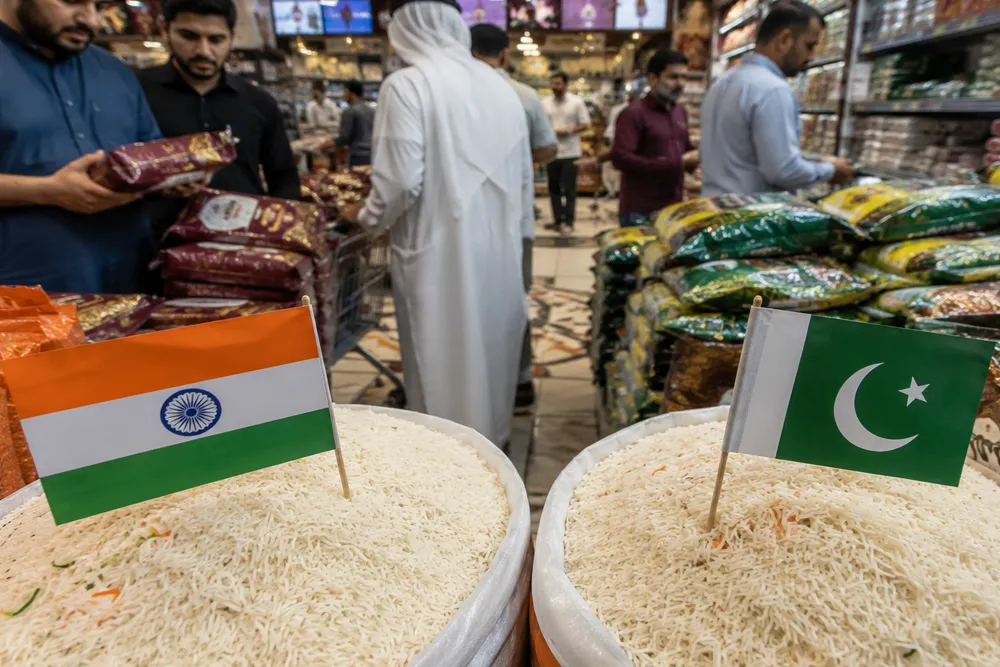
The reopening of shipping routes through the Strait of Hormuz is expected to restore trade flows and increase the competition between India and Pakistan in the Gulf’s premium rice markets, such as Saudi Arabia, the UAE and Iran. Notably, Pakistan is looking to boost its position with its premium 1211 basmati variety, supported by government measures that give it a price advantage in international markets. This competitive pricing could help Pakistan attract more buyers and increase its market share in the region. But India still a dominants the position as the world’s largest basmati exporter. Indian basmati enjoys strong brand recognition, decades-old trade relationships and deep consumer loyalty in the Middle Eastern markets. The Gulf rice market could experience a sharper India-Pakistan rivalry with supply disruptions easing and demand expected to recover. Whereas Pakistan aims to leverage pricing advantages, India’s strong and well-established reputation and market presence remain major strengths in the global basmati rice trade. The upcoming months will determine whether Pakistan can narrow the gap or India can maintain its leadership.
Share this article
Article Info
Read Time
3 min read
Published
23 Jun 2026
Author
Megha Bajaj
Category
Rice News