Top Rice News Today: India, Cambodia & Nepal Rice Crisis
Top rice news today highlights growing weather risks across Asia. India faces lower rice and corn production due to an erratic monsoon, whereas surplus rice stocks support exports. In Cambodia, drought has impacted nearly 60,000 hectares of rice, raising concerns over water shortages and yields. At the same time, devastating floods in Nepal have destroyed homes, rice fields and agricultural land, threatening farmers’ livelihoods and potentially affecting domestic rice supplies and regional grain production.
Weak Monsoon Could Cut India’s Rice and Corn Output by 12 Million Tonnes
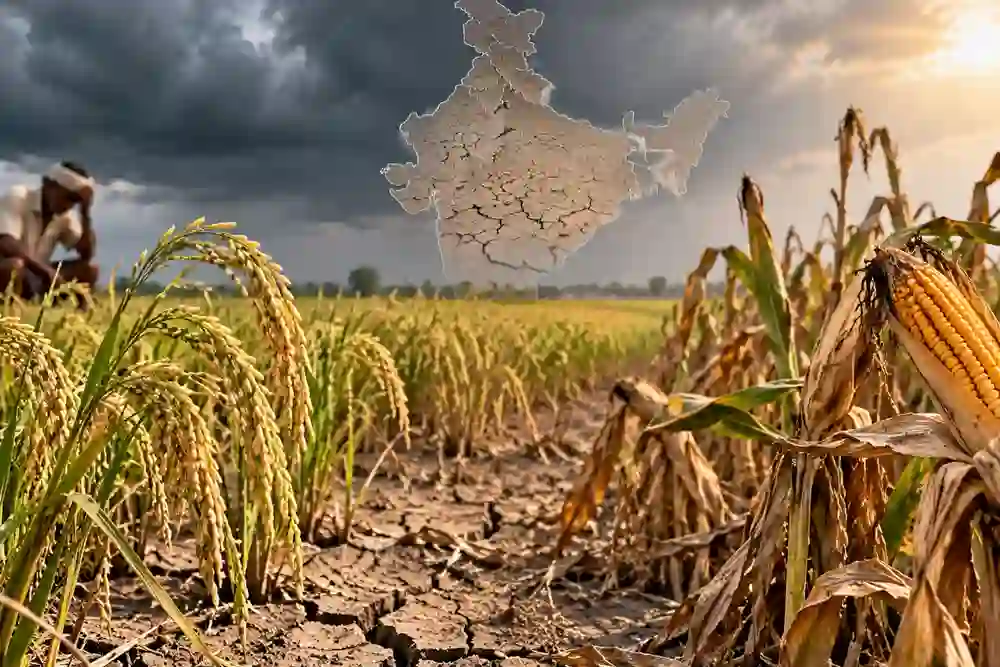
A weak and erratic monsoon is worsening the outlook for India’s grain production in 2026-27. According to USDA, insufficient rainfall could decrease both planted area and yields of key crops. Moreover, India’s rice production forecast has been lowered to 147 million tonnes from 154 million tonnes in 2025/26. This would represent a decline of 7 million tonnes, or about 4.5%. Meanwhile, the rice export forecast remains unchanged at 25 million tonnes.
In addition, large domestic stocks are expected to allow India to maintain high export volumes. The government continues to release surplus rice onto the domestic market in an effort to bring state inventories down to more manageable levels. This is also helping Indian rice remain competitive on the global market. A sharper decline is expected for corn. Not only this, the USDA lowered its 2026-27 production forecast to 50 million tons from 55 million in tons a season earlier, indicating expectations of reduced planted area and lower yields due to insufficient rainfall. Against this backdrop, India’s corn exports in 2026/27 are forecast at 1.5 million tons, down from 2.5 million tons in the previous season, a decline of 40%. The 2026 monsoon has been highly erratic: a weak June was followed by improved rainfall in July and another slowdown in August, while precipitation in the second half of the season is expected to remain below normal.
Drought Threatens Nearly 60,000 Hectares Of Rice In Cambodia
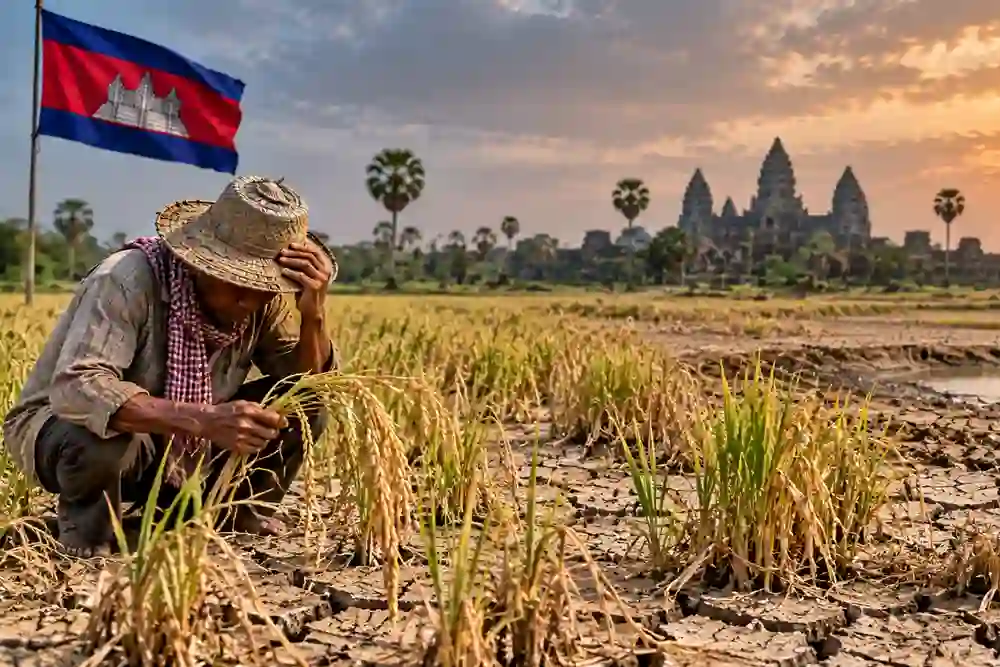
A severe drought is looming over rice production in Kampong Speu province, Cambodia, with nearly 60,000 hectares of wet-season rice reportedly affected across all eight towns and districts. The province had set a 2026 wet-season rice production target of 120,527 hectares, making the drought a significant concern for farmers and the region’s agricultural output.
Farmers are facing worsening water shortages as inadequate rainfall puts rice crops under stress. The situation could lead to lower yields and financial losses if dry conditions persist. Local authorities are monitoring impacting areas and assessing measures to safeguard remaining crops.
In addition, the development highlights the growing vulnerability of Southeast Asian rice production to extreme weather and water shortages. Cambodia is an important rice-producing and exporting country, so prolonged damage to crops could have consequences for farm incomes, domestic rice availability and regional supply chains. The focus now remains on rainfall and whether water availability improves enough to protect the remaining crop.
How Nepal Floods Impact Homes And Rice Fields?
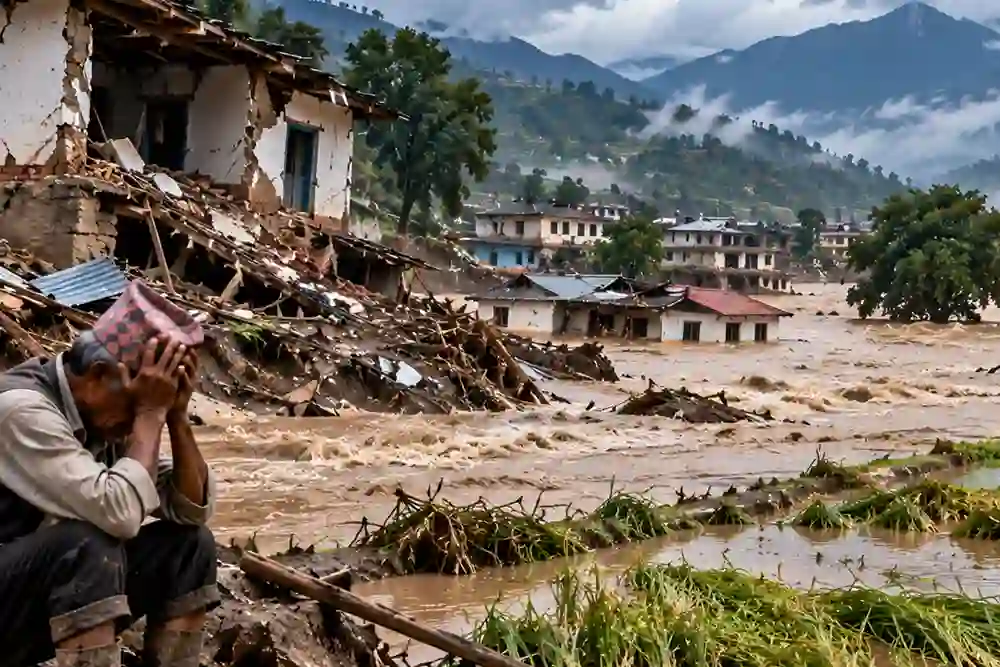
Devastating floods in Nepal’s Nuwakot district have left survivors facing major losses, with homes, farmland and rice fields swept away by floodwaters. Several families have lost both their houses and agricultural land, threatening their livelihoods and ability to recover. The destruction comes as Nepal continues to deal with the wider impact of catastrophic flooding and landslides, which have damaged infrastructure and displaced communities.
For farmers, the loss of rice fields is particularly serious since it removes a major source of food and income. Damaged farmland could impact local agricultural output in the upcoming season, depending on how quickly fields can be restored. The disaster highlights the vulnerability of Nepal’s farming communities to extreme weather events. With thousands displaced and extensive damage reported in affected areas, recovery will require substantial support for housing, agriculture and essential infrastructure
Share this article
Article Info
Read Time
4 min read
Published
5 Sept 2026
Author
Megha Bajaj
Category
Rice News