Top Rice News: Fragrant Rice Prices, El Nino Threat & Export Trends
Top rice news today covers rising fragrant rice prices in Bangladesh, El Nino-related production risks, and India’s growing non-basmati rice exports. Discover here how climate challenges, supply disruptions, export policies, and global demand are shaping rice availability and prices. Furthermore, stay informed about major developments impacting food security, farmers, traders, and international agricultural markets.
Fragrant Rice Prices Surge To Record Levels; Export Permission Blamed
Fragrant rice prices in Bangladesh have increased to record levels, putting pressure on consumers and raising concerns among traders and policymakers. According to traders, the retail prices of various aromatic rice varieties have soared by Tk70 to Tk80 per kilogram over the past six months. Market participants have related this sharp rise to multiple factors, including tight supplies, alleged market manipulation, and the government’s decision to allow exports of certain rice varieties. Traders warn that increased export demand could further decrease domestic availability and push prices higher. Moreover, the price rise has made premium fragrant rice less affordable for several consumers, whereas authorities face growing pressure to ensure market stability. Stakeholders have called for stronger monitoring, enhanced supply management, and a balanced export policy that supports farmers while keeping domestic food security intact. Generally, the situation highlights the difficulty of maintaining affordable food prices along with promoting agricultural trade and protecting farmers’ incomes.
Why Global Rice Prices Could Increase 50% amid El Nino?
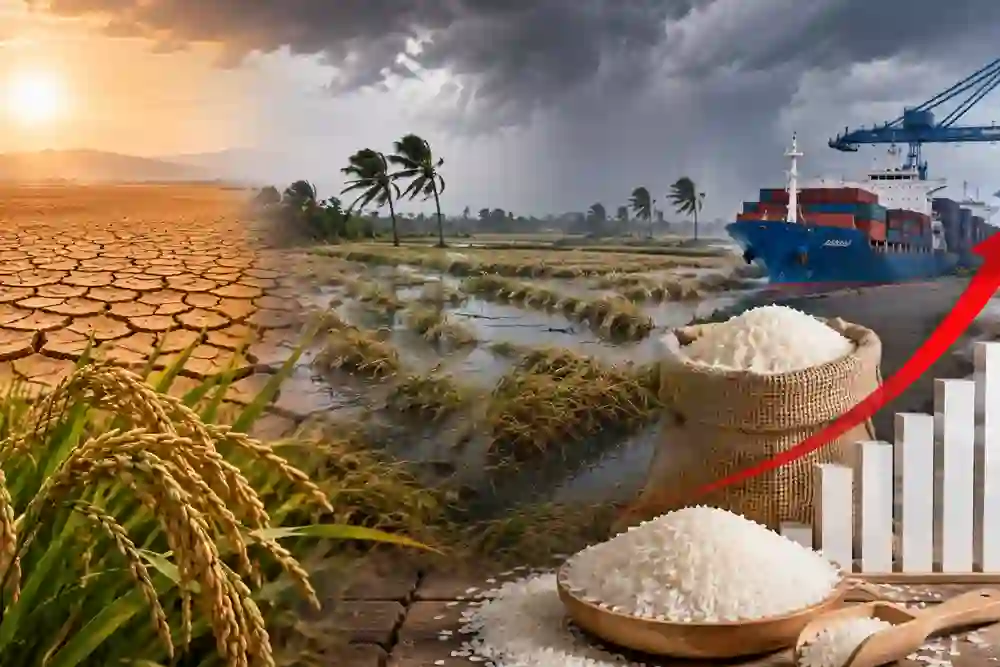
According to reports, a new study has warned that global rice prices could rise by up to 50% if El Niño severely impacts rice production in key growing regions. The climate phenomenon, which is associated with higher temperatures and irregular rainfall patterns, could decrease crop yields and tighten global rice supplies. Particularly, the study underscores that extreme weather events pose a growing threat to food security, especially in countries that rely heavily on rice imports. A reduction in rice production in major exporting nations could trigger supply shortages, increase market volatility, and increase prices for consumers worldwide.
In addition, researchers stressed the need for stronger climate-resilient farming practices, improved water management, and better preparedness to deal with weather-related disruptions. With rice being a staple food for billions of people, any significant supply shock could have significant economic and social consequences.
Notably, the warning comes as global markets remain sensitive to weather conditions, export policies, and changing agricultural trends that continue to impact rice availability and prices.
India’s Rice Exports Hit 5% in H1 2026, Led by Strong Non-Basmati Demand
India’s rice exports observed a 5% growth in the first half of 2026, supported by strong demand for non-basmati rice in global markets. Significantly, non-basmati rice shipments increased as buyers turned to Indian supplies amid disruptions in international trade and fluctuating market conditions. The growth comes despite challenges in the basmati segment, where exports faced pressure due to weaker demand from some significant markets, particularly in the Gulf region. But, the competitive pricing, strong domestic availability, and steady demand from African and other emerging markets helped India maintain its position as a leading rice exporter. This increase in shipments underscores India’s growing role in global food supply chains, especially during periods of market uncertainty. Exporters believe continued demand for affordable rice varieties could support further growth, while policy decisions and global supply conditions will remain significant factors influencing the sector.
With weather risks, trade disruptions, and food security concerns modifying the global markets, India’s rice export performance will remain closely watched in the upcoming months.
Share this article
Article Info
Read Time
3 min read
Published
29 Jul 2026
Category
Rice News