Top Rice News: FCI Surplus Rice, Ethanol Production & Price Trends
Top Rice News today covers FCI's surplus rice release, India's ethanol feedstock strategy, and Bangladesh's rising rice price gap. Moreover, the latest updates highlight rice stock management, water concerns in ethanol production, supply chain challenges, and market trends. These developments indicate the fluctuating dynamics of global rice markets, balancing food security, farmer interests, consumer prices, and sustainable agricultural practices across major rice-producing regions.
Why Does FCI Offload 44 Lakh Tonnes of Surplus Rice?
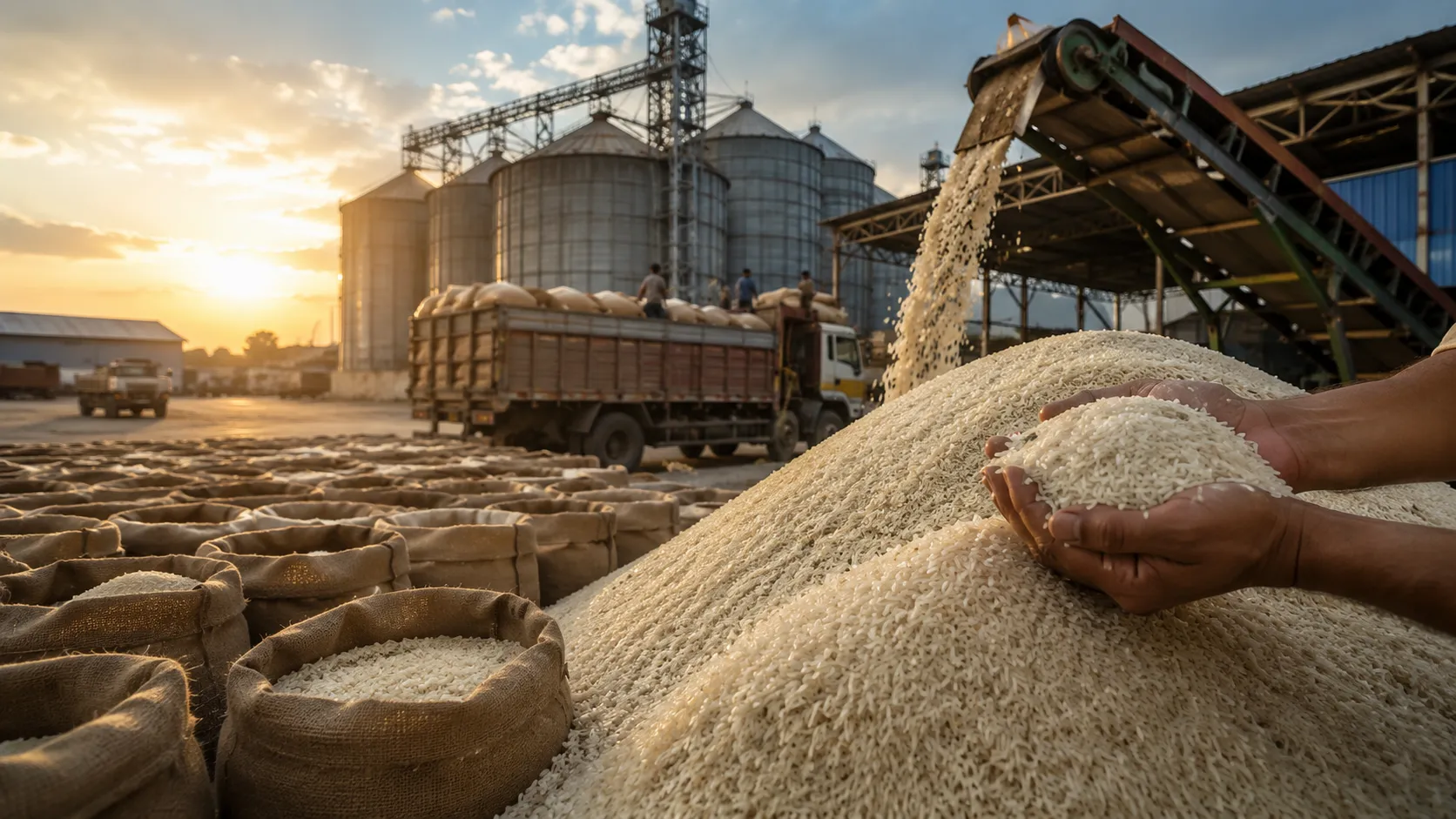
India's Food Corporation of India (FCI) has supplied around 44 million metric tonnes of surplus rice. It marks a significant step in reducing excess foodgrain stocks along with ensuring efficient utilisation of government reserves. The move follows the Centre's policy of maintaining rice stocks at around 40% above the mandatory buffer norm, allowing surplus grain to be channelled towards welfare schemes, open market sales, exports, and ethanol production instead of remaining in storage. FCI warehouses have been carrying significantly higher stocks than required, increasing storage and handling costs with consecutive years of record rice production. By releasing surplus rice, the government aims to enhance inventory management, lower carrying expenses, and make better use of available food grain without compromising India's food security commitments. Significantly, the strategy is also expected to support market stability by preventing excessive stock accumulation while ensuring adequate supplies for the Public Distribution System (PDS). Since India continues to produce bumper rice harvests, efficient stock management remains vital for balancing farmer support, consumer needs, and the country's long-term food security objectives.
Rice Is the Least Water-Efficient Feedstock for Ethanol Production
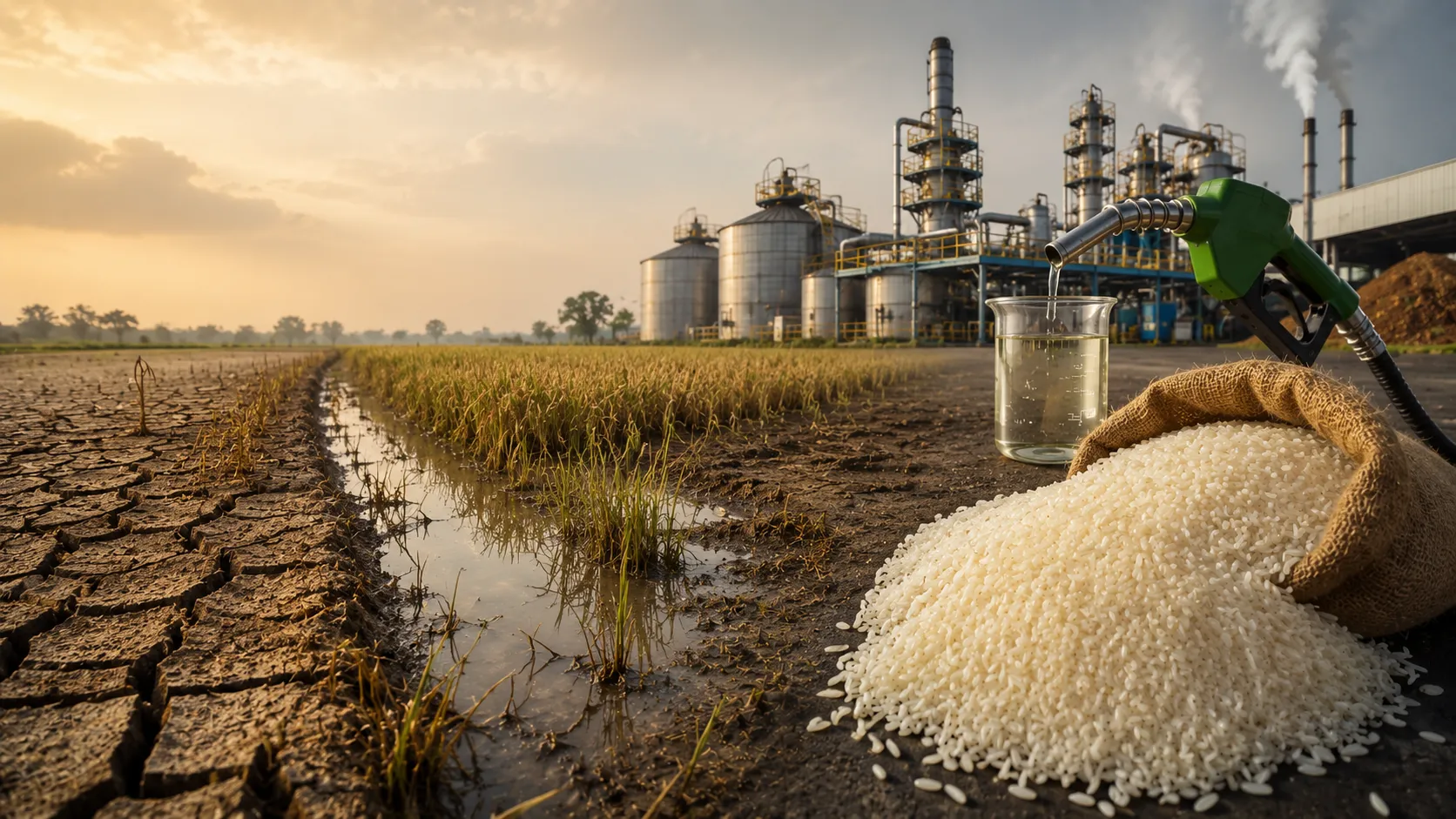
Rice is the most water-intensive feedstock used for ethanol production, the Central Government informed the Lok Sabha, underscoring the need for a balanced approach in India's Ethanol Blended Petrol (EBP) Programme. The government stated that producing ethanol from different feedstocks requires varying amounts of water, with rice having the highest water footprint, followed by sugarcane, whereas maize is comparatively less water-intensive. To address sustainability concerns, the government said it is promoting crop diversification by encouraging maize and other approved feedstocks under the National Policy on Biofuels. In addition, it emphasised that only surplus rice, after meeting food security and buffer stock requirements, is diverted for ethanol production. Additionally, measures such as micro-irrigation, drip irrigation, and water-efficient farming practices are being promoted to decrease agricultural water consumption. Notably, the government maintained that the ethanol blending programme is being implemented with equal focus on energy security, water conservation, food security, and farmers' welfare, ensuring that environmental sustainability remains a major priority alongside India's clean fuel ambitions.
Why Rice Prices Nearly Double from Farmers to Consumers in Bangladesh?
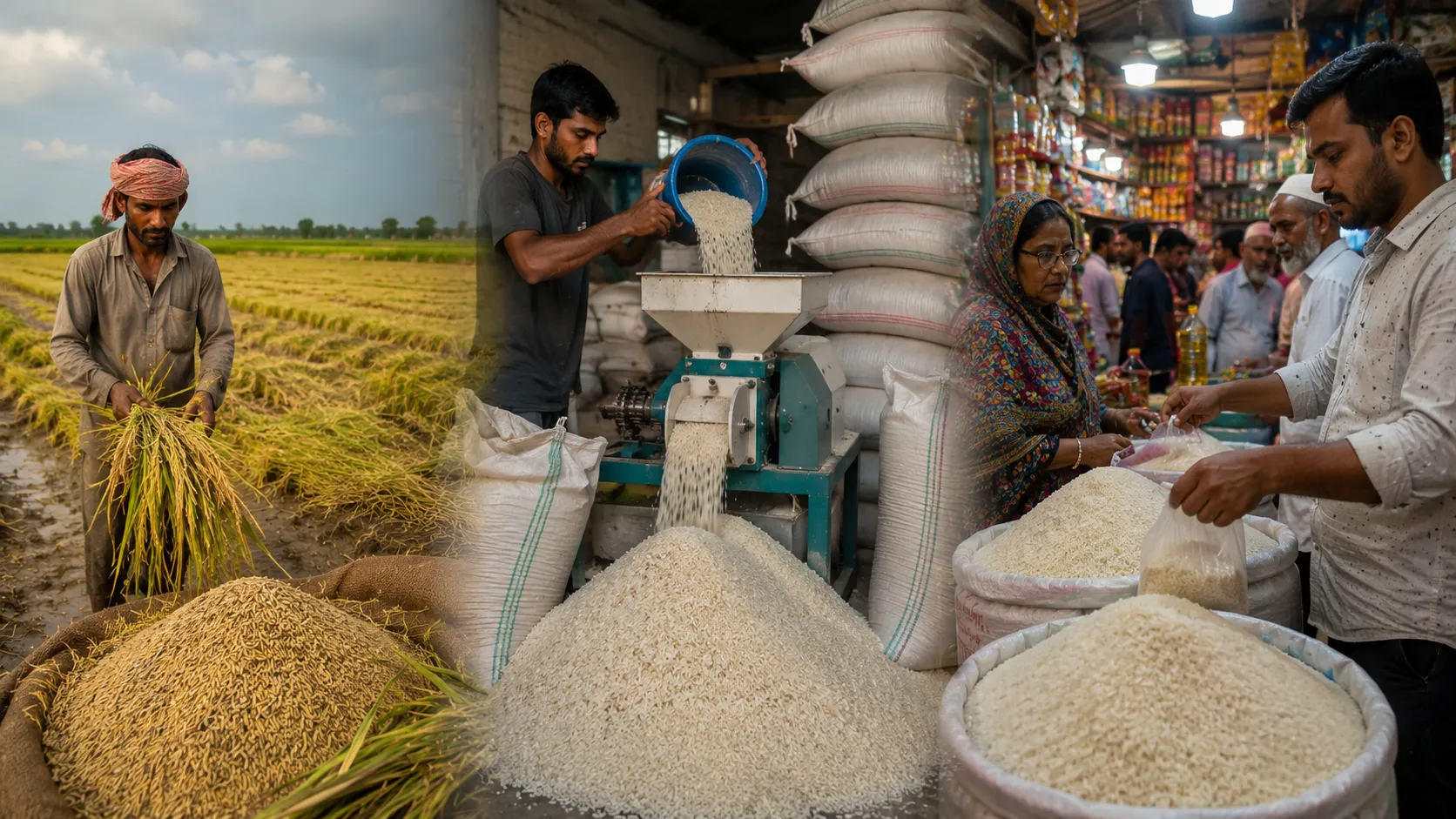
Rice prices in Bangladesh are experiencing a sharp rise from farm to retail markets, with the price of some rice varieties nearly doubling by the time they reach consumers. As per market data, farmers are selling paddy at relatively low prices, but multiple layers of processing, transportation, storage, and trading are significantly raising retail prices. Moreover, the widening gap has raised concerns over inefficiencies in the supply chain and the limited share of profits reaching farmers. In addition, analysts say millers and intermediaries continue to capture a large portion of the value, where consumers bear the burden of higher food costs. Additionally, the situation has intensified concerns over food inflation, particularly as rice remains the country's staple food. Notably, experts have called for stronger market monitoring, enhanced transparency in the rice supply chain, and measures to decrease unnecessary intermediaries. Better logistics and fair pricing mechanisms could help in reducing the gap between farm-gate and retail prices, ensuring both farmers and consumers benefit from a more efficient rice market.
Share this article
Article Info
Read Time
3 min read
Published
30 Jul 2026
Author
Megha Bajaj
Category
Rice News