Top Rice News: Ethanol Production, Climate & Karnataka Crop Shift

Top Rice News today highlights the Centre clarifies that surplus rice used for ethanol production does not contribute to food inflation along with ensuring food security. A new study warns that rising global temperatures could significantly reduce India's rice yields, highlighting the need for climate-resilient farming. At the same time, Karnataka has advised paddy farmers in the Cauvery basin to shift towards alternative crops to address water scarcity and promote sustainable agriculture.
Govt Says Surplus Rice for Ethanol Does Not Fuel Food Inflation
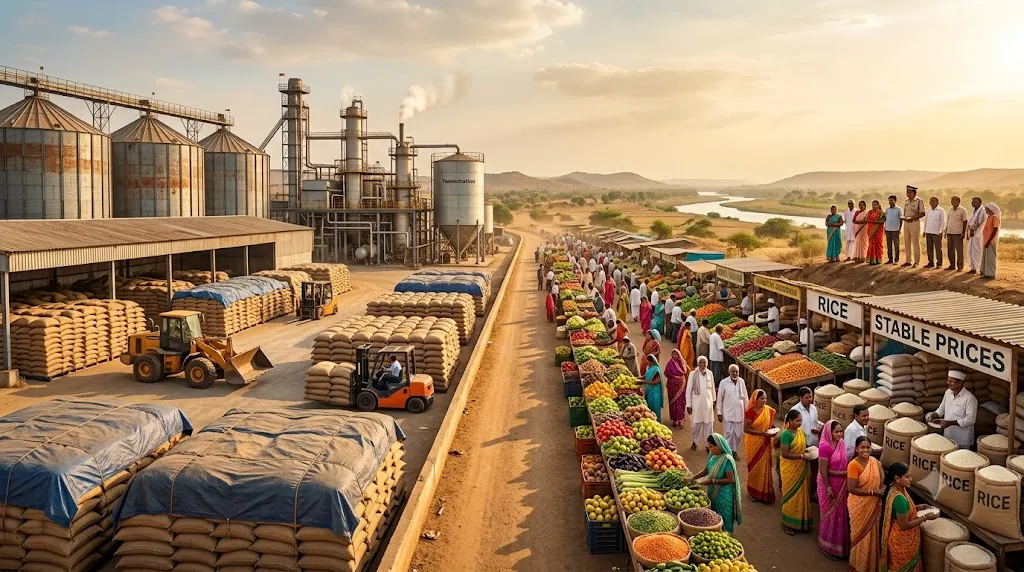
The Centre has clarified that the diversion of rice for ethanol production is not contributing to food inflation by stating that only surplus rice is allocated after meeting food security requirements and maintaining buffer stock norms. The government noted that ethanol production uses available surplus agricultural commodities, such as rice, maize and sugarcane, with maize emerging as a major feedstock in recent years. According to officials, adequate rice availability is being ensured for public distribution and other welfare schemes before allowing diversion for fuel production.
Notably, the clarification comes amid concerns over whether the ethanol blending programme could affect food grain supplies and prices. Additionally, the government maintained that the initiative follows a surplus utilisation approach and does not compromise India’s food security. Significantly, India has been expanding ethanol blending in petrol to reduce reliance on imported crude oil and promote alternative energy sources. As per authorities, the programme balances energy needs with agricultural availability, ensuring that food grain supplies remain protected along with supporting farmers and the biofuel sector.
Moreover, the Centre’s statement aims to address concerns around the relationship between biofuel production, grain availability and food price trends as India continues its push toward higher ethanol adoption.
Rising Temperatures Looms over India’s Rice Production, Study Warns
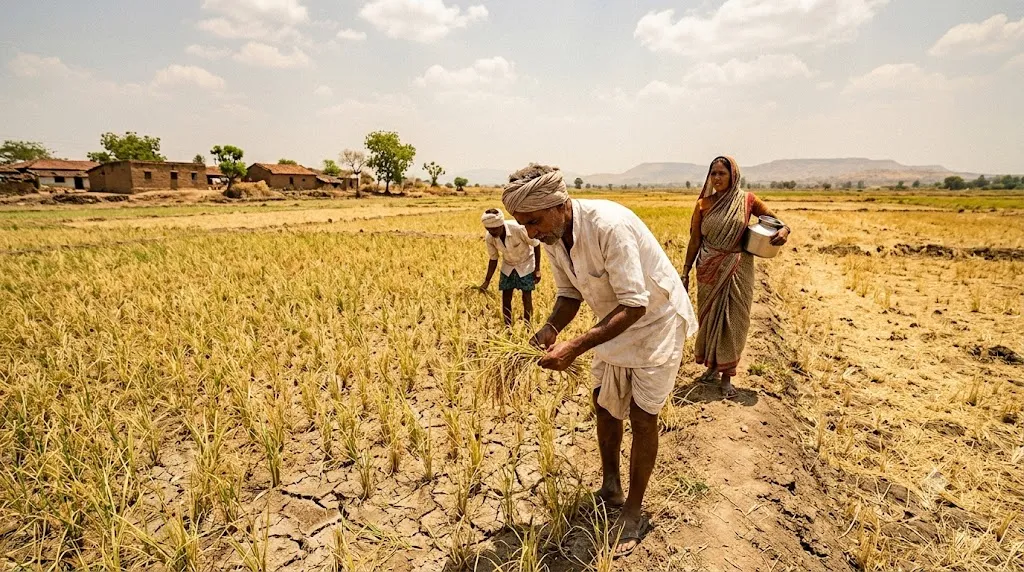
India’s rice yields could reduce by 6.6% for every 1°C rise in global temperatures, according to a study illustrating the growing threat of climate change to agricultural productivity. The findings warn that increasing heat stress could impact rice cultivation, food security and the farmers’ livelihoods Undoubtedly, Rice is one of India’s most important food grains, and declined productivity due to soaring temperatures could create challenges for supply stability and rural incomes. The study emphasizes the urgent need for climate adaptation measures, including the adoption of heat-tolerant rice varieties, enhanced irrigation practices and sustainable farming techniques. According to Experts, climate-resilient agriculture will play a vital role in safeguarding crop output as extreme weather events become more frequent. Boosting research, supporting farmers with advanced technologies and promoting adaptive farming methods will be essential to protect India’s rice production in a warming world.
Why Karnataka Urges Paddy Farmers to Adopt Alternative Crops ?
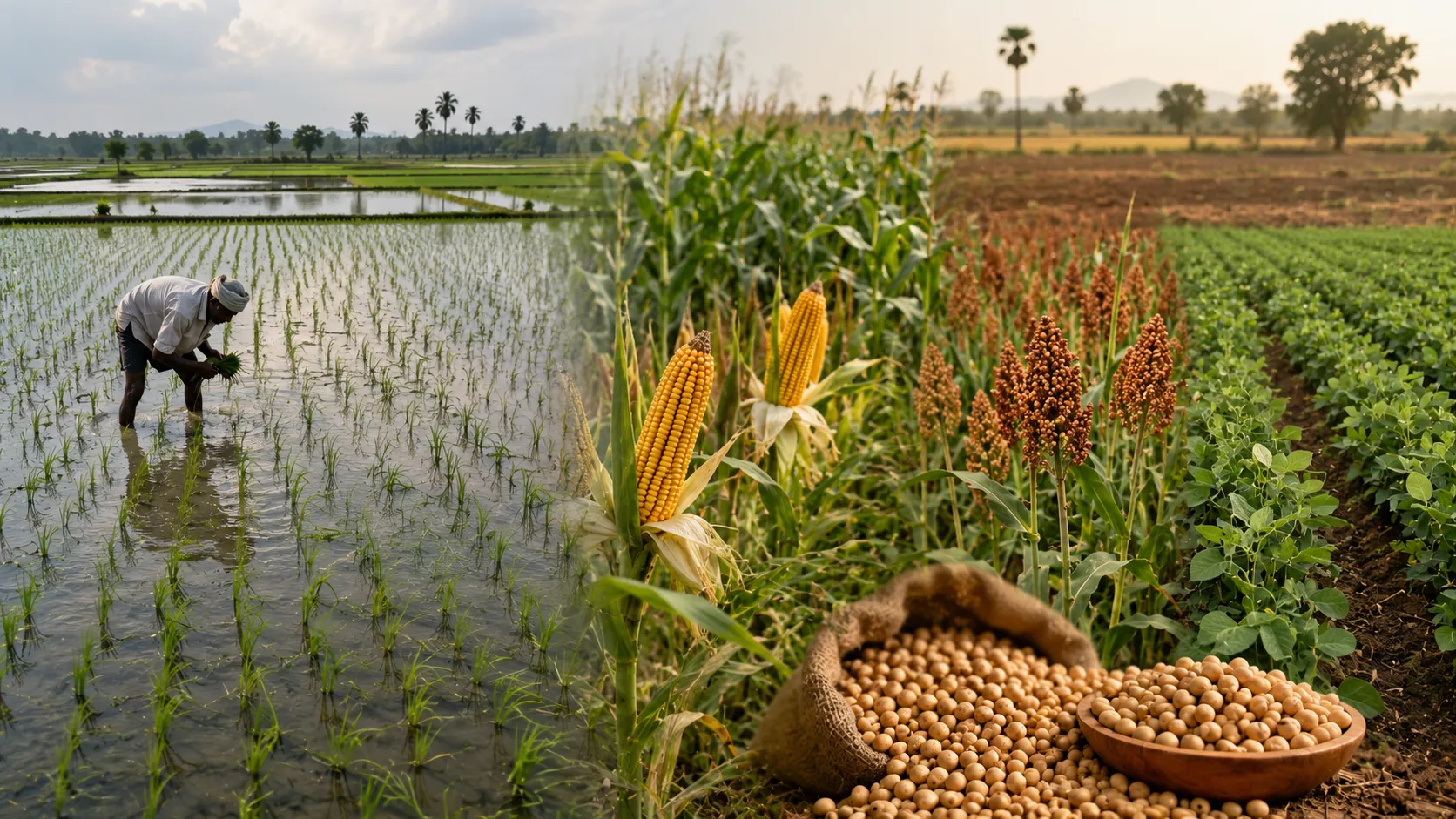
The Karnataka government has recently advised paddy farmers in the Cauvery basin, which is known as the state’s rice bowl to consider shifting towards alternative crops due to water availability concerns. Notably, the move aims to reduce relaince on water-intensive paddy cultivation and encourage more sustainable agricultural practices.
According to officials, the need for crop diversification to address challenges related to changing rainfall patterns, water shortages and climate-related risks. Even farmers in the region are being encouraged to explore crops that require less water along with providing stable income opportunities.
Moreover, the initiative is part of broader efforts to promote climate-resilient farming and enhance long-term water management in agricultural regions. While paddy remains a significant crop for farmers in the Cauvery basin, the government believes diversification can help conserve resources and boost farm sustainability. In addition, the shift towards alternative crops could support better soil health, reduce cultivation risks and help farmers adapt to changing environmental conditions.
Share this article
Article Info
Read Time
3 min read
Published
30 Jul 2026
Author
Megha Bajaj
Category
Rice News