Top Rice News: Basmati Battle, Revival Varieties & Stocks Surge

Top rice news today covers India, including an Australian court ruling challenging India’s exclusive Basmati claim, the revival of forgotten indigenous rice varieties, and a sharp rally in basmati exporters LT Foods and KRBL. Significantly, these developments highlight growing global competition, renewed interest in traditional grains, stronger export prospects, premiumisation and new opportunities for farmers. Together, they showcase the rapidly changing landscape of India’s rice industry and its global market potential.
Basmati Battle: Why Australia Rejects India’s Exclusive Claim?
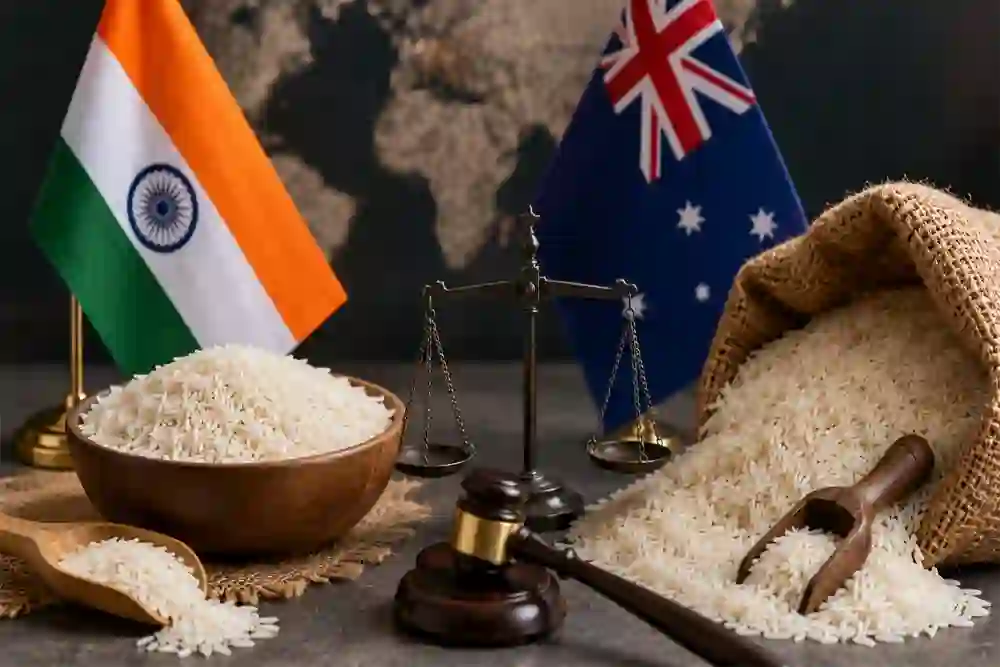
An Australian Federal Court ruling has dealt a setback to India’s efforts to secure exclusive rights over the Basmati name in the Australian market. The court dismissed India’s appeal, holding that consumers understand basmati as a type of aromatic rice associated with the broader Indo-Gangetic region, including parts of both India and Pakistan. Not only that, but it also found that the term does not distinguish rice certified by India’s Agricultural and Processed Food Products Export Development Authority (APEDA) from other basmati rice.
The ruling means Pakistani producers and exporters can continue marketing their rice as basmati in Australia, increasing competition for Indian exporters, particularly those from Punjab and Haryana. Moreover, the decision comes as Indian rice exporters are already facing uncertainty over international shipments and logistics. For India’s basmati industry, the ruling could make protecting the premium identity and market position of Indian basmati more challenging, while potentially intensifying competition with Pakistan in the Australian market.
How India’s Forgotten Rice Varieties Are Making a Comeback?
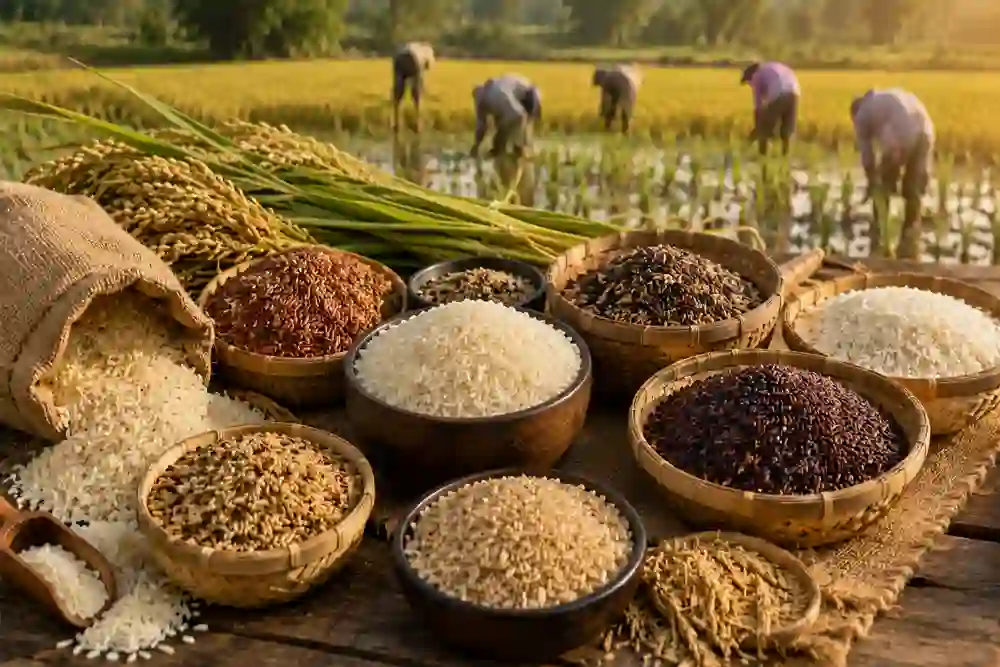
India’s forgotten rice varieties are making a comeback, reversing decades of decline caused by the Green Revolution’s focus on high-yield, uniform crops. Traditional varieties such as Kaima, Badshahbhog and Assam’s Bora are being revived by farmers, conservationists, NGOs, chefs and state governments. These indigenous grains are returning to kitchens and restaurant menus, driven by renewed interest in their unique flavours, cultural heritage and biodiversity value. Additionally, the revival is generating opportunities for farmers and rural communities by giving niche rice varieties new markets and premium value. Besides this, conservation efforts are helping preserve agricultural diversity while reconnecting consumers with India’s rich culinary heritage. However, experts and practitioners face challenges around documenting varieties, maintaining traceability and ensuring that genuine traditional grains reach consumers. The movement reflects a broader shift towards sustainable agriculture and food diversity, showing how India’s once-forgotten rice heritage could find a new place in modern food markets.
Basmati Rice Stocks Surge: LT Foods Hits 52-Week High Amid West Asia Tensions

According to sources, shares of rice exporters LT Foods and KRBL increased sharply on August 24, with LT Foods climbing 13% to hit a fresh 52-week high of ₹482.85, whereas KRBL gained 9% to ₹443.50. Heavy trading volumes accompanied the rally, indicating strong investor interest in the rice sector. Analysts noted the healthy demand for basmati rice, domestic market-share gains and growing premiumisation as major positives for LT Foods. For KRBL, expectations of recovering exports, stronger domestic volumes and the premium positioning of its India Gate brand supported sentiment. Notably, India’s basmati rice exports had faced disruption due to West Asia tensions, but companies expect volumes to recover as shipping conditions improve. Moreover, analysts remain positive on both stocks, citing their branded product portfolios, international presence and potential for export growth. However, LT Foods faces some near-term margin pressure from changes in its organic-food business model and related-party shipment arrangements. Broadly speaking, improving demand and export prospects have boosted the outlook for India’s leading basmati rice companies.
Share this article
Article Info
Read Time
3 min read
Published
25 Aug 2026
Author
Megha Bajaj
Category
Rice News