Top Rice News: Why Bangladesh Rejects Indian Rice Shipments?

Top rice news today features the latest developments From Bangladesh, Malaysia and Philipinnes. Discover why Bangladesh rejects Indian rice shipments? Moreover, Malaysia confirms sufficient rice stocks for six months despite geopolitical risks, and the last one is Philippines rules out a rice import ban while boosting support for local farmers
Why Bangladesh Rejects Indian Rice Shipments?
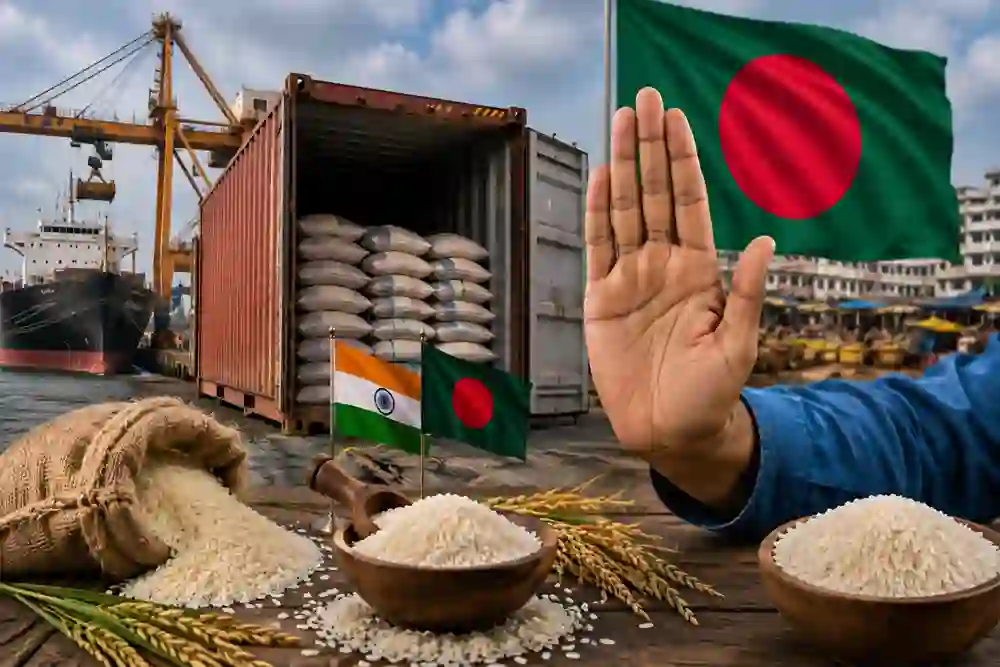
Bangladesh has rejected several consignments of Indian rice over alleged quality concerns, triggering a fresh trade dispute between the two neighbouring countries. Indian exporters and trade bodies have strongly opposed the claims, arguing that the rice had undergone quality inspections and fulfilled the required export standards before shipment. They believe the issue may involve differences in testing methods or administrative procedures rather than actual quality defects. Notably, the rejection has raised concerns among exporters, as Bangladesh remains a significant market for Indian rice, particularly non-basmati rice varieties. Industry representatives have appealed to both governments to engage in discussions to resolve the matter quickly and prevent disruptions to bilateral agricultural trade. Not only this, but they also warned that prolonged uncertainty could impact exporters, farmers, and supply chains on both sides of the border. The development comes amid evolving trade dynamics between India and Bangladesh, which highlights the significance of transparent quality standards and stronger coordination to sustain smooth cross-border commerce and protect confidence in agricultural exports.
Malaysia States National Rice Stocks Secure, Enough for Six Months
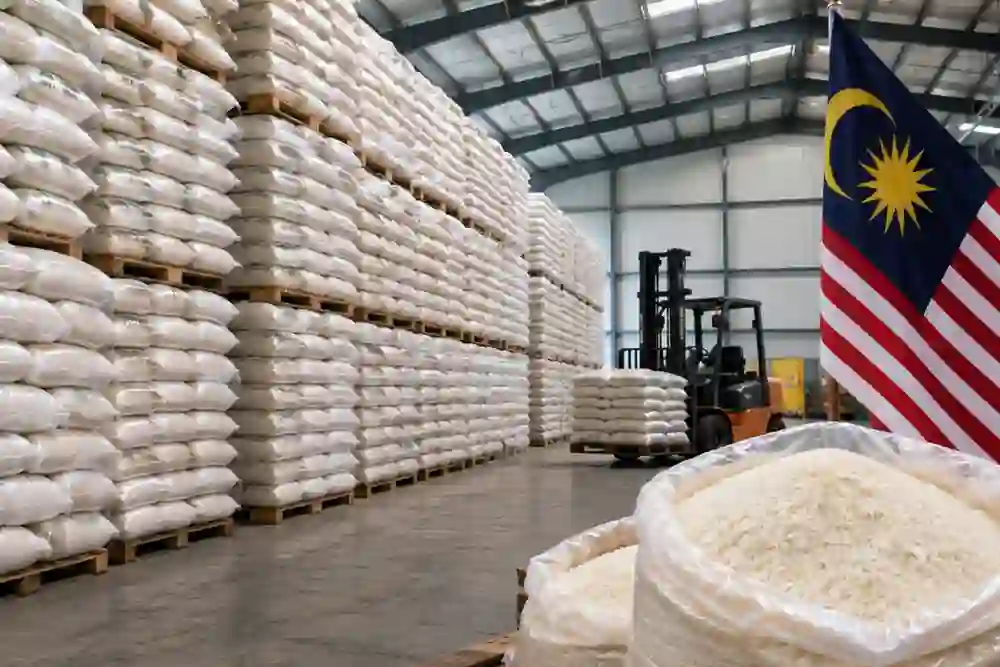
According to reports, Malaysia has assured that its physical rice stocks are sufficient to fulfil the domestic demand for the next six months despite rising geopolitical tensions in West Asia. The Agriculture and Food Security Ministry stated the country currently holds nearly 1.237 million tonnes of rice, including 200,000 tonnes of national buffer stock and 1.037 million tonnes of commercial reserves, offering a strong safeguard against potential supply disruptions. According to authorities, the government is closely monitoring global developments such as risks to food supply chains arising from Middle East conflict, along with working to ensure stable rice availability and price stability for consumers. Moreover, the ministry reaffirmed its commitment to boosting national food security through improved stock management, domestic production and coordinated supply measures. The assurance comes as many countries remain alert to possible disruptions in agricultural trade and logistics amid heightened geopolitical uncertainty. Officials highlighted that Malaysia's existing reserves are adequate to cushion any short-term shocks and maintain uninterrupted rice supplies for households and businesses.
Philippines Rules Out Rice Import Ban And Assures Support for Farmers

The Philippines has ruled out imposing a temporary rice import ban despite the approaching El Niño season, as the government stresses on securing adequate food supplies for the months ahead. Agriculture Secretary Francisco Tiu Laurel Jr. stated that the country is building sufficient buffer stocks to prepare for potential production challenges from November through April next year. Rice imports have already reached 3.3 million metric tonnes, with authorities closely monitoring supply levels to ensure food security. Meanwhile, the government aims to protect local farmers by preventing farmgate prices for palay from falling to the low levels seen last year. The National Food Authority plans to purchase up to 500,000 metric tonnes of locally produced palay under an expanded rice procurement programme backed by a PHP20 billion budget for 2026, more than double last year's allocation. Besides this, Officials will also clear warehouse space to accommodate increased purchases along with continuing the subsidised PHP20-per-kilogram rice programme to ensure affordable rice remains available to consumers nationwide.
Share this article
Article Info
Read Time
3 min read
Published
4 Aug 2026
Author
Megha Bajaj
Category
Rice News