Top Rice News: African Demand Drop & Bangladesh Rice Prices

Top Rice news today highlights pressure on India’s rice export sector as exporters are facing obstacles in major overseas markets such as Africa. The rice sector is facing disruptions, including geopolitical tensions. In addition, Bangladesh Rice prices have stayed elevated for several months, generating concerns among consumers despite country sustaining a comfortable supply position.
African Demand Drop Drags Indian Rice Export Earnings Down 10% in FY26
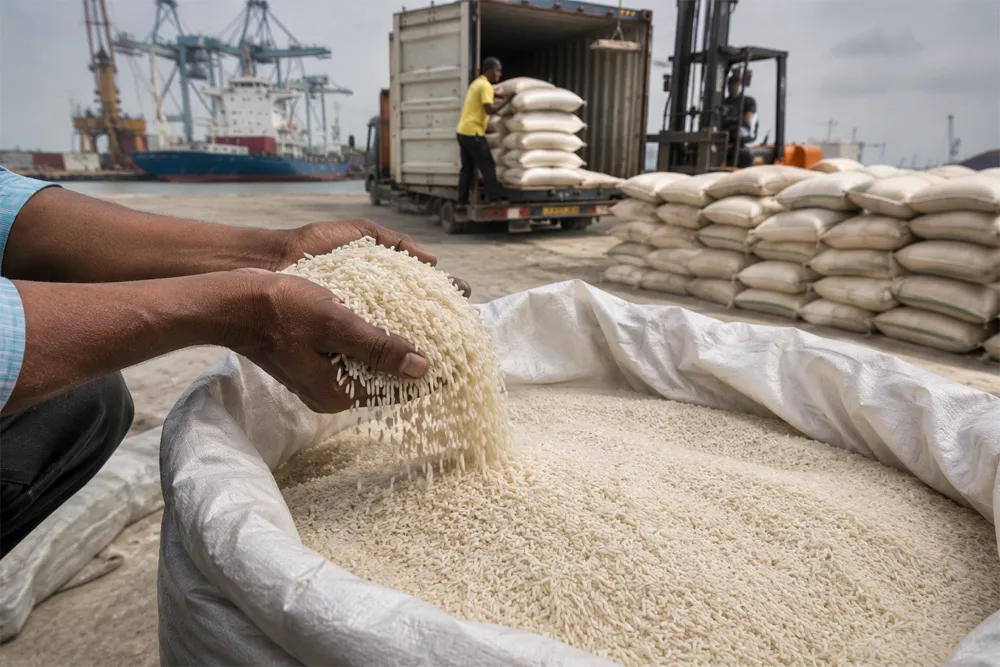
According to sources, India’s rice export sector is witnessing pressure as exporters are facing challenges in major overseas markets, especially in Africa. The value of India’s rice exports is expected to decrease by nearly 10% in FY26 because of weaker demand, pricing pressure, and increased competition from other exporting countries.
Notably, African markets are important destinations for Indian non-basmati rice. However, they have become more competitive as buyers look for affordable alternatives. Lower global rice prices and reduced price realisation have affected the earnings of exporters despite India maintaining a strong position in the international rice trade. Additionally, the rice sector is dealing with disruptions in traditional markets, such as geopolitical issues affecting shipments and trade flows. Now, exporters are focusing on market diversification, enhancing competitiveness, and boosting supply chains to manage these challenges. India is one of the world’s largest rice exporters despite short-term hurdles, having opportunities to expand into new regions and improved value-added rice shipments. Boosting logistics, quality standards, and market strategies will be significant for sustaining India’s global rice export growth.
Bangladesh Rice Prices Stay High Despite Improved Supply
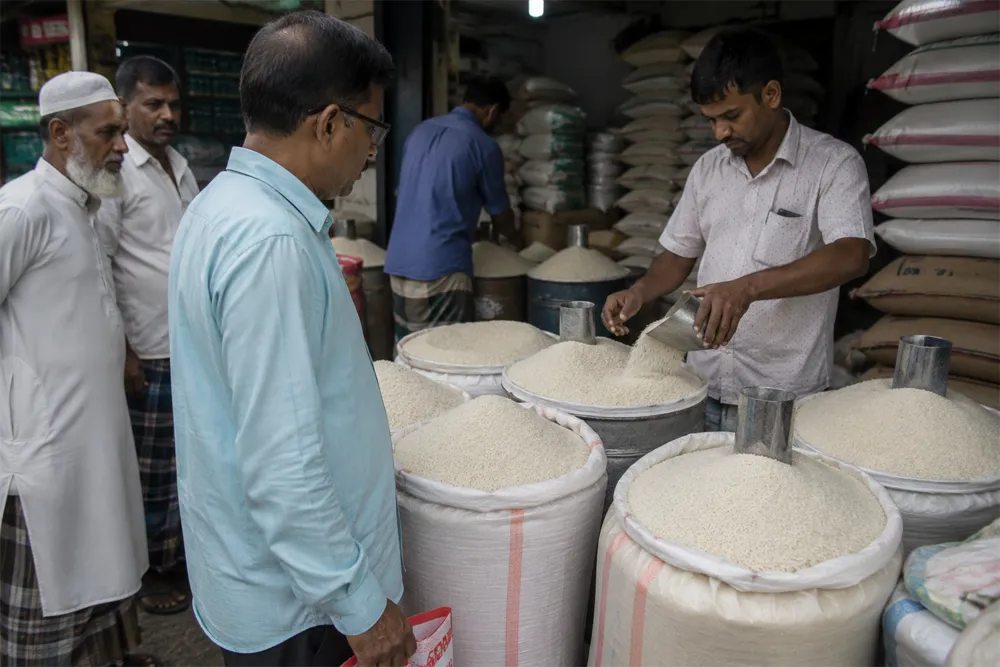
Rice prices in Bangladesh have continued to remain high for several months, generating concerns among consumers despite the country maintaining a comfortable supply position. Prices of popular rice varieties, such as Miniket and Nazirshail rice, are high in retail markets, and consumers are observing increased costs for daily food requirements. The prolonged price rise has raised questions related to market management, as authorities have taken measures to increase food stocks and control volatility. The government has focused on rice imports and public stock building to ensure food security, but price stability remains a challenge.
Market observers stated that weak monitoring systems, supply chain issues, and possible market manipulation are the factors contributing to persistent rice prices. Although rice availability remains stable, the benefits have not fully reached consumers due to inefficiencies in market regulation. Addressing the issue, authorities have introduced measures such as subsidised rice sales through open market programmes. Boosting market oversight, enhancing distribution networks, and ensuring fair pricing mechanisms will be crucial to safeguard consumers and sustain stability in Bangladesh’s rice market.
Share this article
Article Info
Read Time
3 min read
Published
20 Jun 2026
Author
Megha Bajaj
Category
Rice News