Top Rice News: Grain Heritage Festival, Japan Rice Trade & Harvest Updates
North East Festival of Rice highlights Heritage and Sustainability
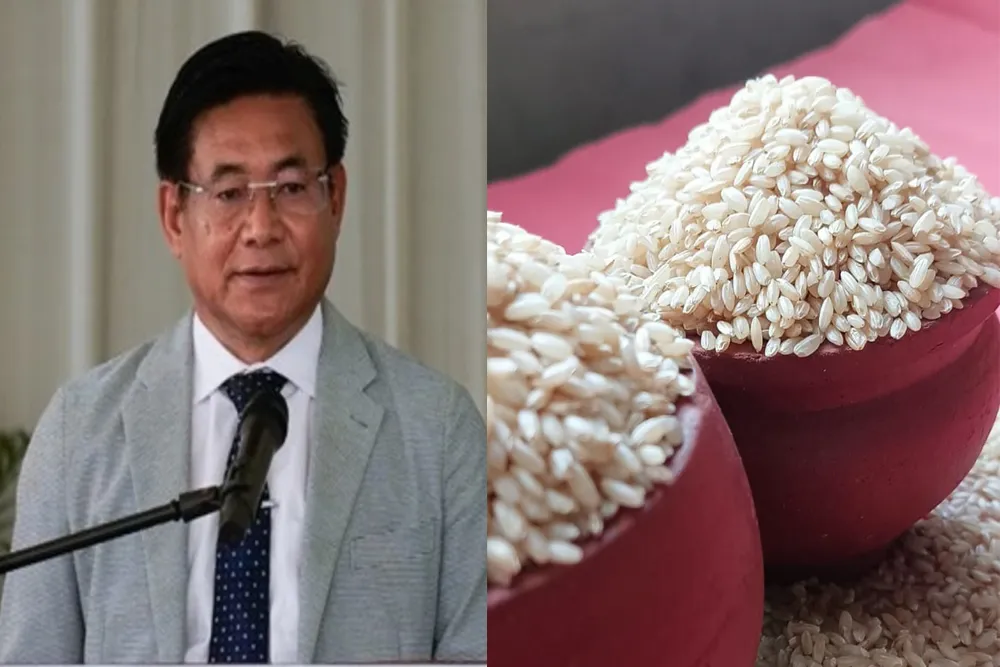
The North East Festival of Rice – Grains of Heritage was celebrated on February 26, 2026, at the Exposition Hall, Agri Expo, Chumoukedima. The event was organised by the Indian National Trust for Art and Cultural Heritage (INTACH), Nagaland Chapter. Notably, the festival was took place in collaboration with the Department of Agriculture, Government of Nagaland; North East Zone Cultural Centre (NEZCC), Dimapur; ICAR Research Complex for NEH Region; ICAR Research Complex for NEH Region; ICAR-Indian Institute of Rice Research; ICAR-Central Rice Research Institute; and the School of Agricultural Sciences, Nagaland University, Medziphema.
The festival was inaugurated by Advisor for Agriculture, Nagaland, Mhathung Yanthan, who described it as a historic and visionary initiative. Furthermore, he appreciated INTACH Nagaland for organising a large regional agriculture-focused event and cited that such efforts require dedication and foresight. He mentioned that rice is not just a crop but a significant part of the culture and identity of the people of the Northeast. In addition, he said that rice plays a role in festivals, traditions and daily life. He outlined the region’s agricultural richness and said the Northeast is known for its agro-biodiversity. Interestingly, Nagaland alone has more than 200 indigenous rice varieties adapted to different climates and terrains. However, he threatened that wide traditional varieties are slowly disappearing and stated the need for conservation and scientific research.
Philippines shortens rice imports as Việt Nam enters peak harvest
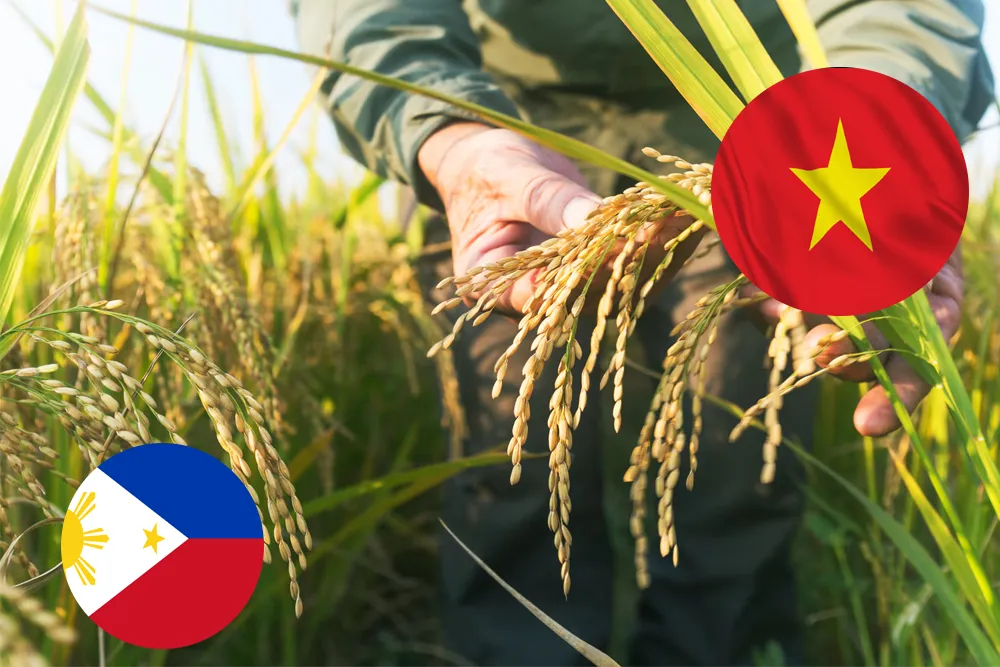
According to the Vietnam Food Association, the Philippines will cut rice imports to around 150,000 tonnes a month in March and April 2026, a sharp drop from the previous average of 400,000 tonnes. The policy is part of Manila’s broader plan to stabilise domestic supply while limiting rice imports at peak harvest time. Interestingly, the move emerges as the Mekong Delta enters its peak winter–spring harvest. It raises concerns that a higher domestic supply and weaker demand from Việt Nam’s largest buyer could put pressure on paddy prices. Moreover, Nguyễn Thanh Phong, director of Van Loi Food Processing Co, stated the policy could push domestic rice prices lower as supply rises, whereas export demand weakens. He said: "Prices usually decline during the winter–spring harvest.
With the Philippines tightening imports this time, the situation will likely be worse". Exports opened the year strongly despite the expected slowdown. Việt Nam shipped about 600,000 tonnes worth US$370 million, up 12.4 per cent in volume in January and 16.9 per cent in value year-on-year. The average export price climbed to $616.6 per tonne. Interestingly, the Philippines remained the top market, importing more than 330,000 tonnes in the month. It accounts for over half of Việt Nam’s total rice exports. Additionally, Industry leaders mentioned the latest policy shift underlines the need to diversify markets and upgrade quality.
Japan's private-sector rice imports rise in January
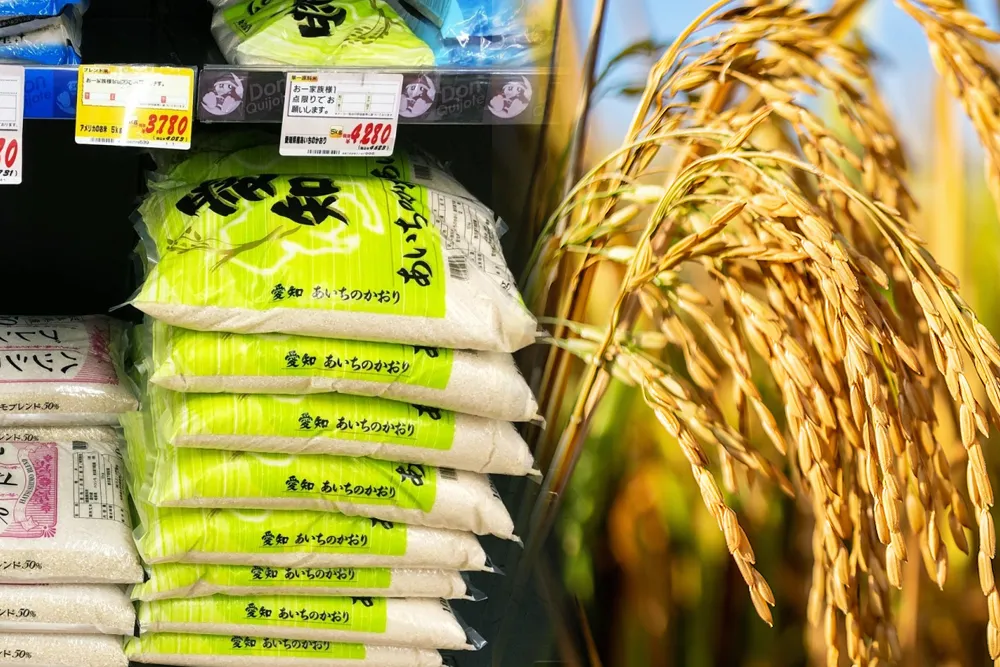
Notably, Rice imports by Japan's private sector have surged as high prices for domestic grain drive demand for alternative supplies. The imports jumped almost 12-fold in January from a year ago. On Thursday, the Finance Ministry released figures showing companies imported more than 4,900 tons of milled rice in January.
That compares with 414 tons in the same month a year earlier. Rice from the US made up the largest amount at 3,443 tons, followed by Thailand with 391 tons and Vietnam with 280 tons. Japan has two channels for importing rice. One is through a government framework known as minimum access. The other is by private firms that pay a tariff of 341 yen, or about 2 dollars, per kilogram. The agriculture ministry states even with the tariff, the imported grain is cheaper than domestic rice.
Share this article
Article Info
Read Time
1 min read
Published
27 Feb 2026
Author
Megha Bajaj
Category
News