Today’s Top Rice News: Farmers Trained on Bio-Fortified Rice Varieties, Global Updates on Rice Farming Practices
Farmers Trained on Bio-fortified Rice Varieties in Arunachal Pradesh, Tawang
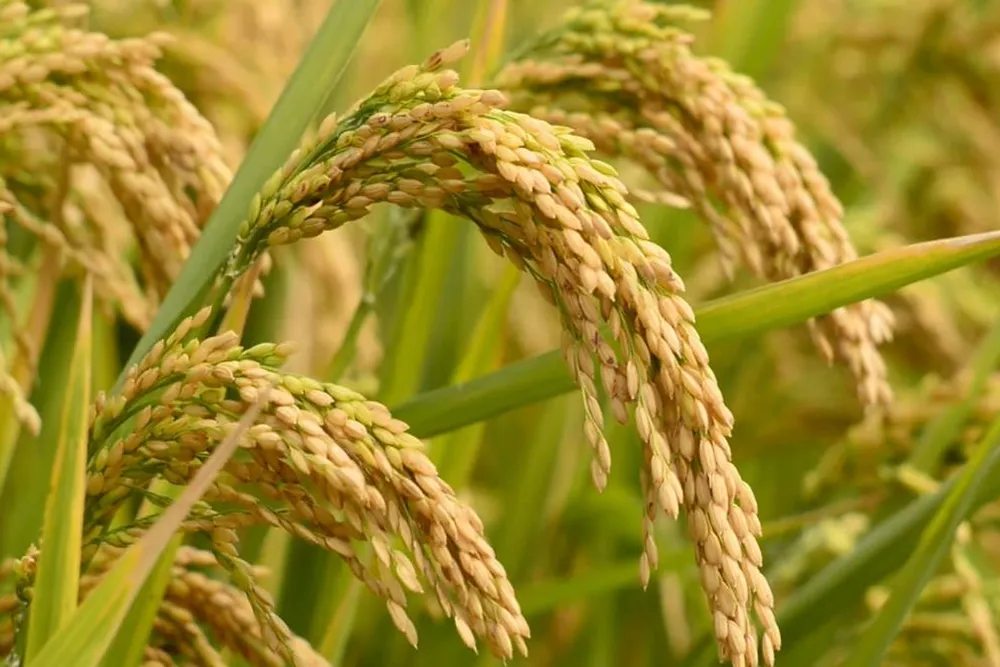
On Monday, a one-day Capacity Building Training and Farmers' Interaction Programme on bio-fortified rice varieties under the NEH Programme was conducted at Zomkhang Hall in Tawang. Notably, the programme was organised by Krishi Vigyan Kendra Tawang in collaboration with the ICAR-Indian Institute of Rice Research, Hyderabad, Telangana. Interestingly, the event witnessed the participation of scientists and subject-matter experts, including Dr C. N. Neeraja, Principal Scientist (NEH), ICAR-IIRR, along with Dr Jyoti Badri, Dr Kalyani M., and Dr Veerendra Jaldhani. Furthermore, during the technical sessions, farmers were provided information on bio-fortified rice varieties suitable for hilly terrains, their nutritional advantages, and improved cultivation practices.
Texas rice production costs demand efficiency
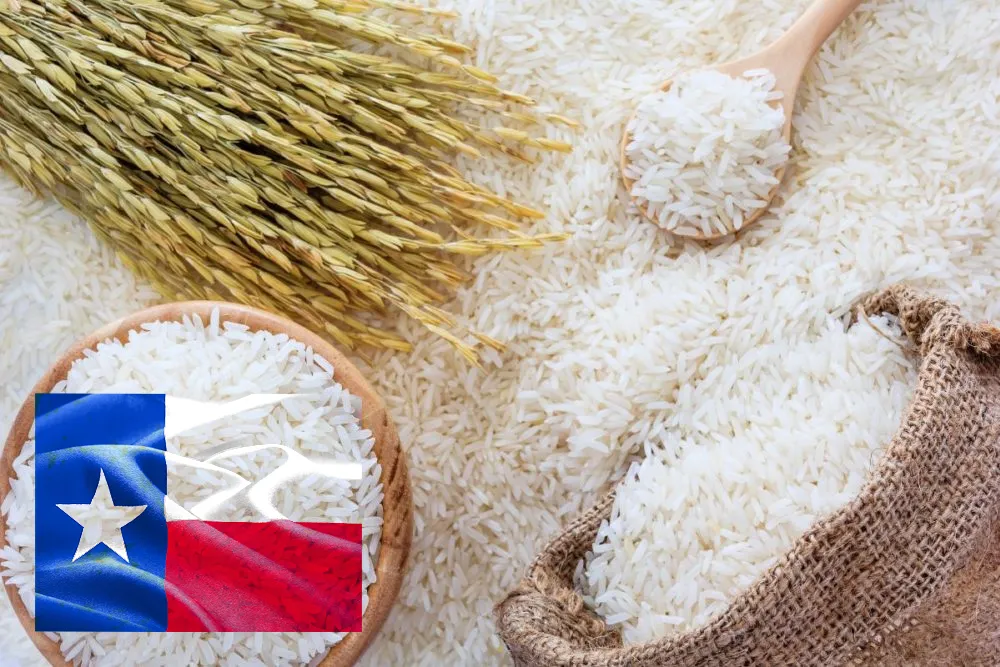
Texas rice production is facing challenges as acreage continues to decline and production costs remain high. Moreover, the growers were spending significantly more per acre compared to other U.S. rice regions. Furthermore, the farmers must focus on efficiency and cost management amid issues such as water scarcity, resistant weeds, and plant diseases, while keeping margins razor-thin.
Godrej Agrovet rolls out TAKAI Insecticide for Rice Crop Protection
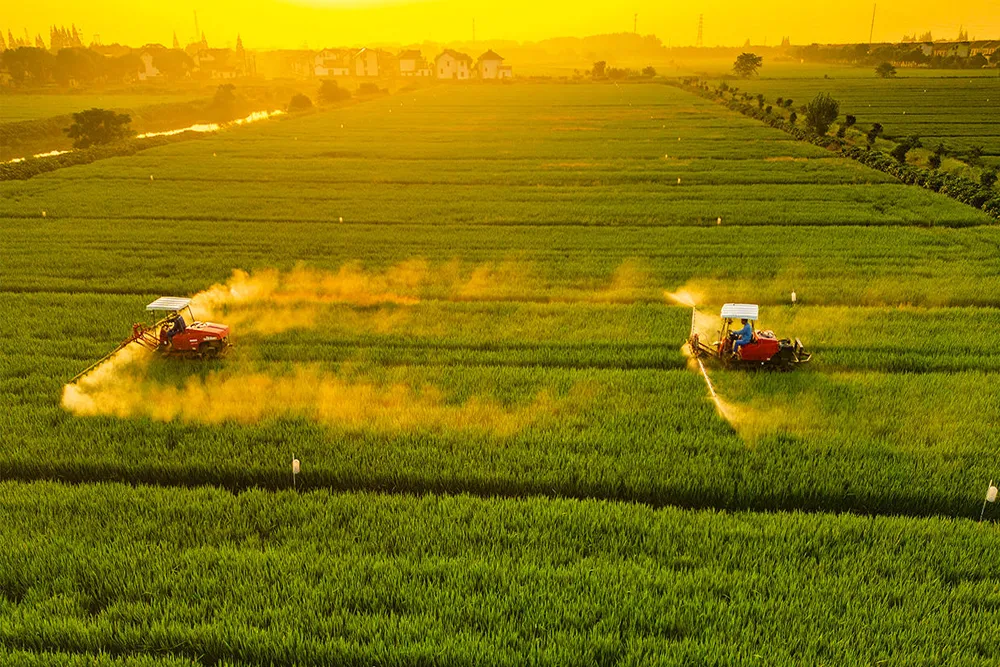
Godrej Agrovet has rolled out TAKAI insecticide. Notably, this new insecticide designed for effective protection and safeguard of rice crops. The product uses advanced Cyclapryn technology licensed from ISK Japan, targeting significant pests that impact rice yield. TAKAI insecticide intends to help farmers reduce crop losses, enhance productivity, and ensure healthier plants, supporting sustainable and efficient rice farming practices across India.
Indonesia Launches Biochar Guide to Boost Rice Yields and Cut Emissions
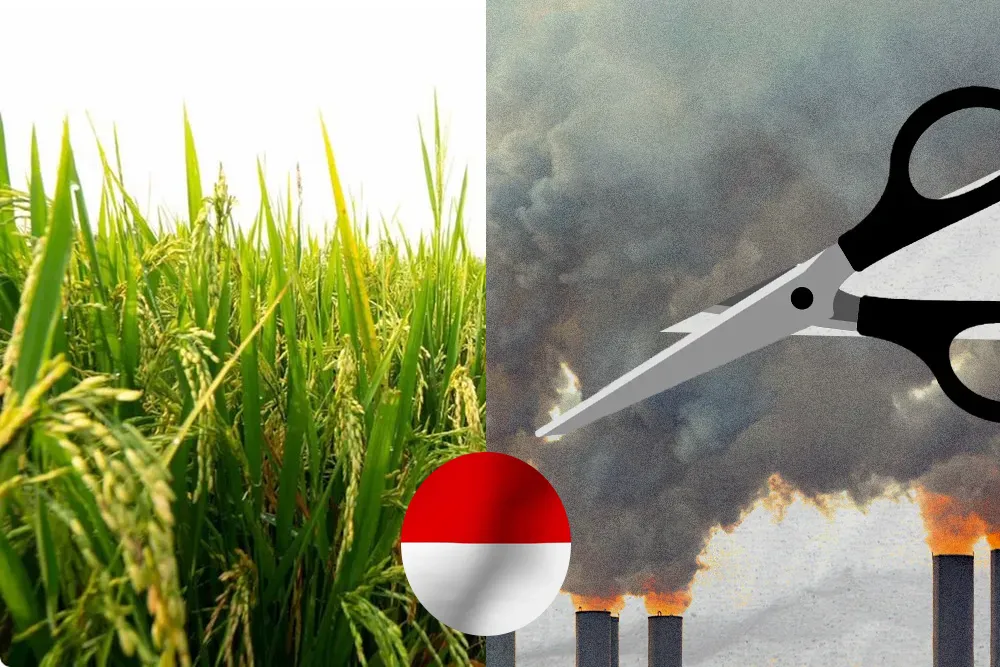
Indonesia’s central bank, together with the agriculture and food ministries and Diponegoro University, has launched a climate-smart agriculture business guide. It helps in promoting biochar technology to help boost rice production and cut greenhouse gas emissions, and boosts national food security. The handbook explains how biochar which is a carbon-rich material made from biomass waste could can improve soil quality, increase efficiency of water and fertilisers, reduce emissions and raise crop yields. Pilot projects in Central Java saw about a 6.3% increase in rice yields and better soil conditions. Ultimately, the guide is intended to help farmers adopt sustainable, low-emission farming practices nationwide.
Share this article
Article Info
Read Time
2 min read
Published
10 Feb 2026
Category
News