Top Rice News: Telangana Push, North Korea Crisis, Thai Prices
Top rice news today highlights major developments shaping the global rice industry. Telangana is promoting export-friendly paddy varieties to strengthen farmer incomes and boost rice exports. North Korea is increasing drought-resistant dry rice cultivation amid rising water shortages and food security concerns. At the same time, Thai rice prices remain firm as the reopening of the Strait of Hormuz may revive export demand from Middle Eastern buyers. These updates cover key trends in rice production, climate challenges, global trade, and market movements
Telangana appealed to promote eight export-friendly paddy varieties
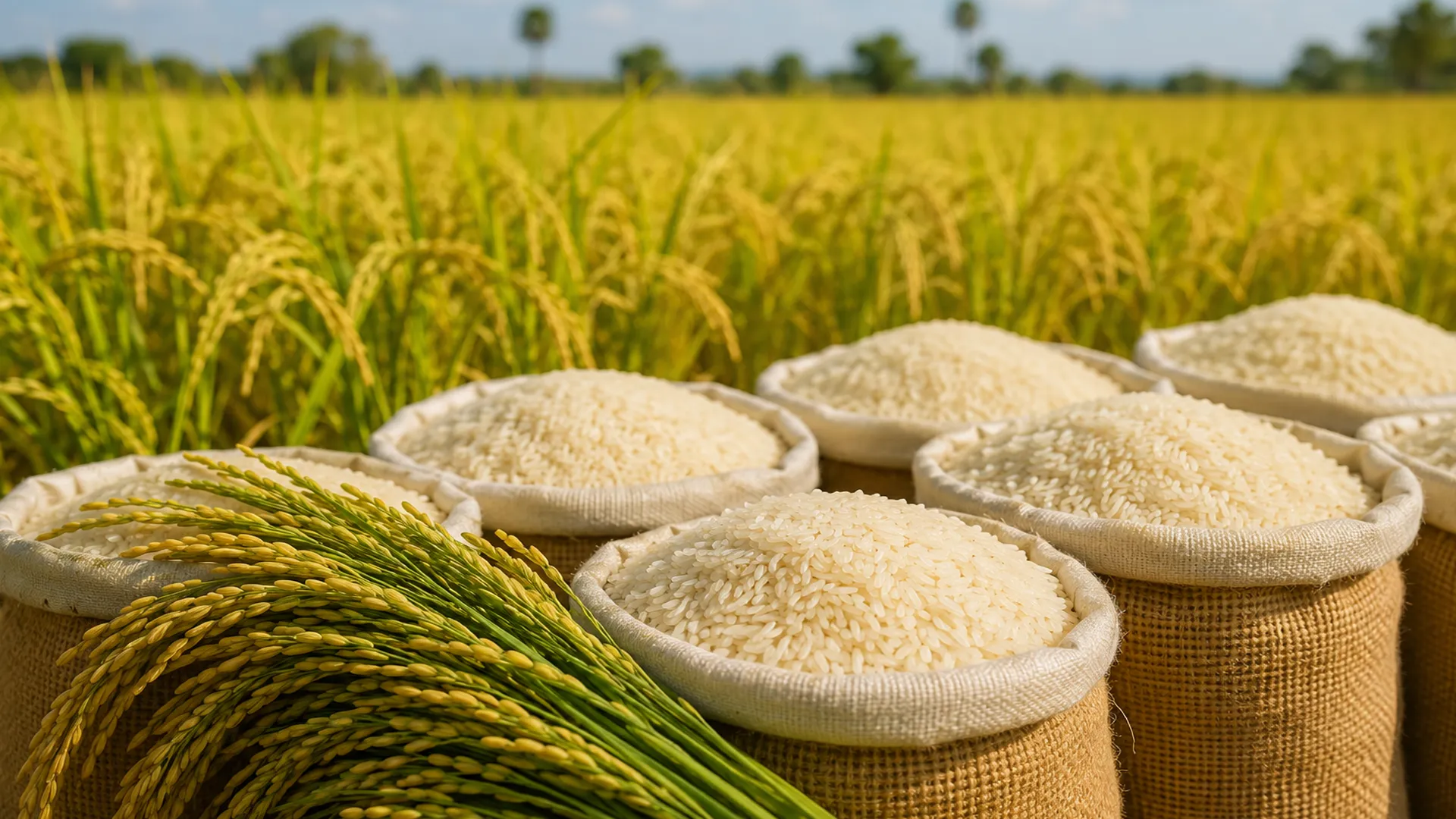
Agricultural experts and scientists have requested the state government to roll out large-scale awareness campaigns to promote eight premium paddy varieties with strong domestic and export demand. The recommendation was made at a meeting of the Cabinet Sub-Committee on Agriculture, chaired by Deputy Chief Minister Mallu Bhatti. Scientists and professors from agricultural universities presented proposals on crop planning and market-oriented cultivation. The committee reassessed agricultural production, paddy procurement, storage capacity and preparations for the upcoming Kharif season. Experts suggested that large-scale cultivation of BPT 5204, Telangana Sona (RNR 15048), KNM-1638, Jai Sriram, HMT, WGL 962, WGL 44 and JGL 1798. They describe them as profitable and export-friendly varieties. The scientists stated that these varieties are highly suitable for export from Telangana and are popular in the United States, Australia and Europe. They can provide better returns to farmers, and there is adequate seed availability for large-scale cultivation. They added that promoting these varieties would help increase farm incomes and decrease the impact of fluctuations in international market prices. Therefore, the government should prioritise them and carry out awareness programmes in villages in the state. Civil Supplies department officials stated that many fine rice varieties currently grown in Telangana lack market acceptance. Some yield a high percentage of broken rice during milling, whereas others do not match consumer preferences, making millers and traders reluctant to purchase them. According to officials, promoting only those paddy varieties that are preferred by consumers, millers and traders and have export potential, along with gradually reducing cultivation of varieties with weak market demand.
North Korea Steps up drought-resistant dry rice cultivation amid worsening water shortages
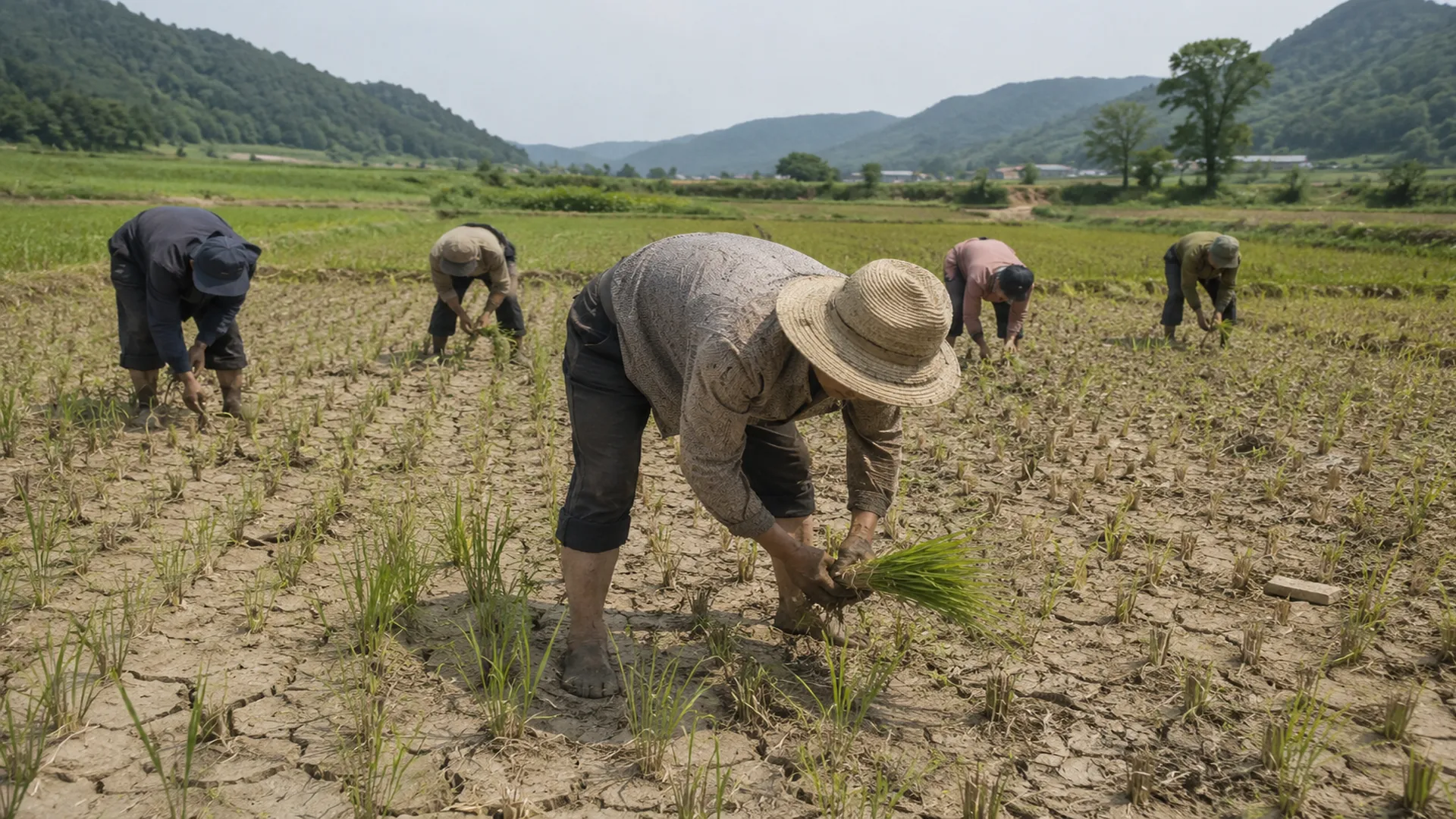
North Korea has escalated rice cultivation in dry fields as an alternative to traditional water-submerged paddy farming. The state media presents this as an effort to increase agricultural production, and experts interpret it as a serious indication of the country's growing drought and food insecurity. Notably, North Korea, a nuclear-armed nation, has long struggled with international sanctions, a state-controlled economy, and persistent food shortages. In earlier years, natural disasters and a weak agricultural infrastructure have also affected food production. In February, Elizabeth Salmon, the UN's special rapporteur on human rights in North Korea, said that food shortages were a significant humanitarian challenge in the country. According to her, the lack of adequate food is directly influencing the ordinary citizens' lives. On Tuesday, North Korea's state news agency, the Korean Central News Agency (KCNA), reported that dry field rice cultivation is increasing in multiple regions of the country. Although rice cultivation typically requires abundant water, this method is used when irrigation is limited or dependent on rainfall. Earlier in April, KCNA had cautioned that the country was witnessing an unusual and severe drought and mentioned that special measures were being taken to save crops. Since then, various reports have indicated that the drought situation remains challenging. Even Experts suggested that the recent developments indicate an exacerbating water shortage in North Korea's agricultural sector. Kim Yong-hyun, a professor at Dongguk University, mentioned that as water availability reduces, dry field rice is used as an alternative production system. He mentioned that the fact that North Korea is increasing such cultivation indicates growing concerns related to food production by the end of this year. He mentioned that a decrease in production could further deepen food shortages. According to Analysts, North Korea's food security challenges may turn out more severe in the coming days due to climate-related risks, limited agricultural technology, and long-term economic difficulties.
Thai rice prices steady as Hormuz reopening boosts export demand outlook
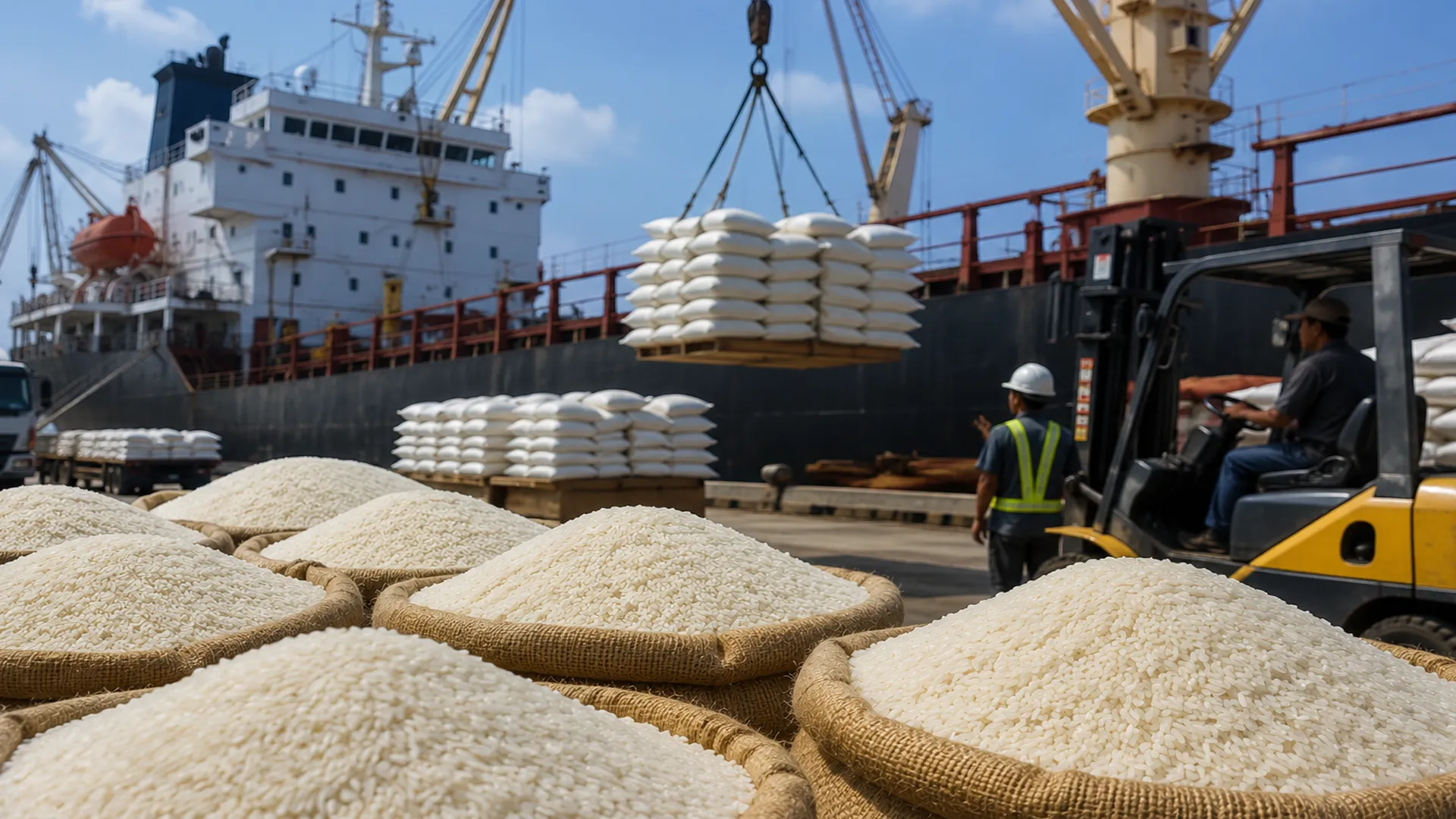
Thai rice prices are expected to remain steady, followed by the announcement of a US-Iran peace deal, since improved access to Middle Eastern markets could restore buying interest amid limited supply. The reopening of the major shipping route is expected to ease logistical challenges for cargoes destined for Iraq and other Middle Eastern Countries, which have faced disruptions in recent weeks. The Strait of Hormuz, the world's most critical route, was virtually closed due to geopolitical tensions, which have disrupted shipments to the Middle East and impacted global supply chains. On June 14, the US and Iran stated that they reached an agreement to reopen the waterway. According to Market participants, any recovery in demand would provide additional support to a market that is already underpinned by tight paddy availability.
Anurak Deesirisathien, sales head of Asia Golden Rice, said fresh buying interest could emerge following the reopening, although elevated Thai rice prices may limit purchasing volumes. He added that Thai rice prices were likely to remain firm due to limited paddy availability. Multiple sources stated that the immediate impact is likely to be seen in logistics rather than trading activity, along with buyers still evaluating market conditions and freight developments. According to other exporters, supply constraints were likely to remain the primary driver of the Thai market in the near term, with fresh crop arrivals still some weeks away. In addition, Pakistan Market participants expected trade sentiment to enhance following the reopening, although most cited that any recovery in demand would likely be gradual rather than immediate. According to sources, it has been assessed Thai 5% WR at $464/mt FOB June 15, up $4/mt week over week, and Pakistani 5% WR at $384/mt FOB, down $1/mt week over week. Market participants in both Thailand and Pakistan stated that the next major indicator will be whether improved shipping conditions translate into fresh tenders and spot purchases from Iraq and other Middle Eastern buyers in the upcoming weeks.
Share this article
Article Info
Read Time
5 min read
Published
16 Jun 2026
Author
Megha Bajaj
Category
Rice News