Top Rice News: Rice Exports Hit by Red Sea, Hormuz Disruptions
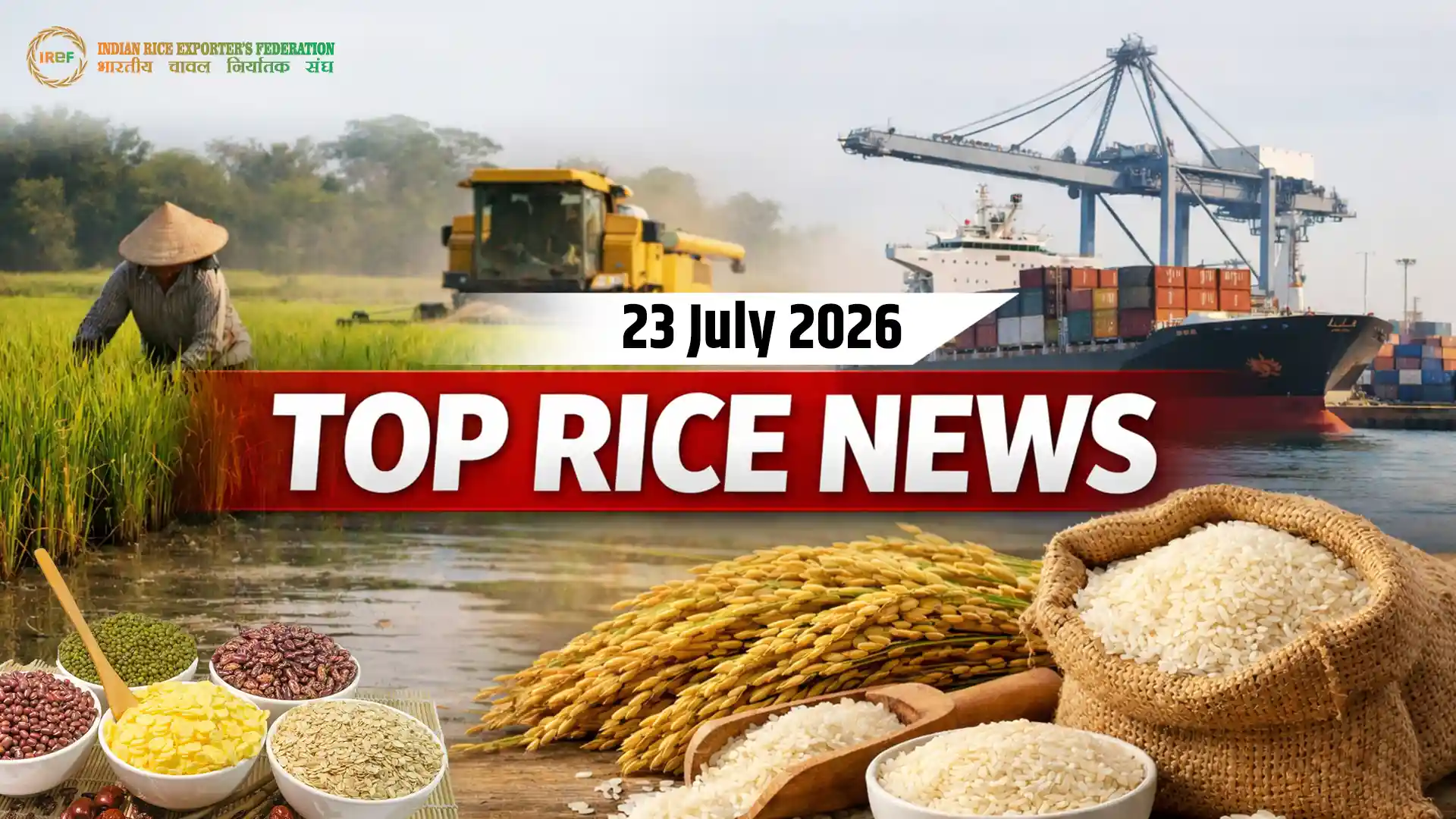
Stay updated with the top rice news today highlighting that a new study underscores rising methane emissions from India’s irrigated rice fields, the Centre raises Telangana’s rice procurement target by 8 lakh metric tonnes for the Rabi season, and Red Sea and Strait of Hormuz disruptions continue to hit India’s rice exports.
India’s Irrigated Rice Fields Among World’s Largest Methane Emitters, says Study
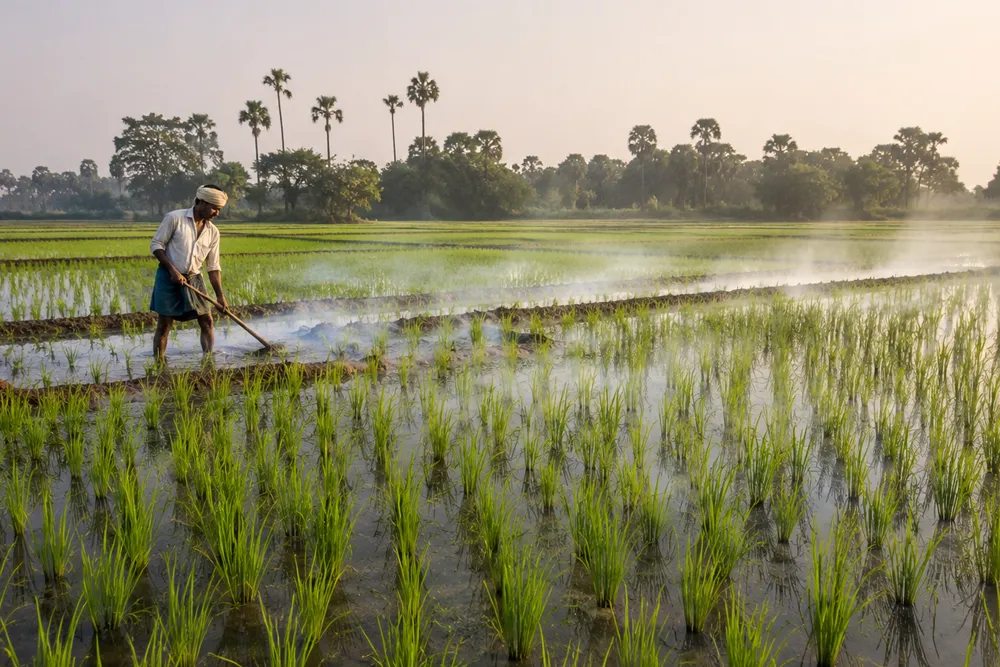
A new study in Nature Food has found that Greenhouse Gas (GHG) emissions from paddy fields worldwide have doubled since the 1960s. Moreover, the study reported that, in the most recent decade, 2011-2020, paddy fields across the world produced nearly 1.1 billion tonnes of carbon dioxide-equivalent (CO2-e) emissions every year — a 90.4% increase from the annual emissions between 1961 and 1980.
Upon examining the sources contributing to the rise in emissions, the study found that about half the increase was driven by the loss of soil organic carbon. Paddy fields were soil organic carbon sinks, removing some 289 million tonnes of CO2-e emissions annually between 1961 and 1980. But the sink weakened over time. In the 2010s, over a third of paddy fields worldwide in fact began losing carbon from the soil. Besides this, the rise in emissions has been linked to the expansion of rice cultivation, intensive farming practices, and changes in soil management methods. Researchers emphasise that improving water management, adopting sustainable farming techniques, and decreasing excessive use of inputs could help lower the carbon footprint of rice production
Centre Increases Telangana Rice Procurement Target by 8 Lakh Metric Tonnes
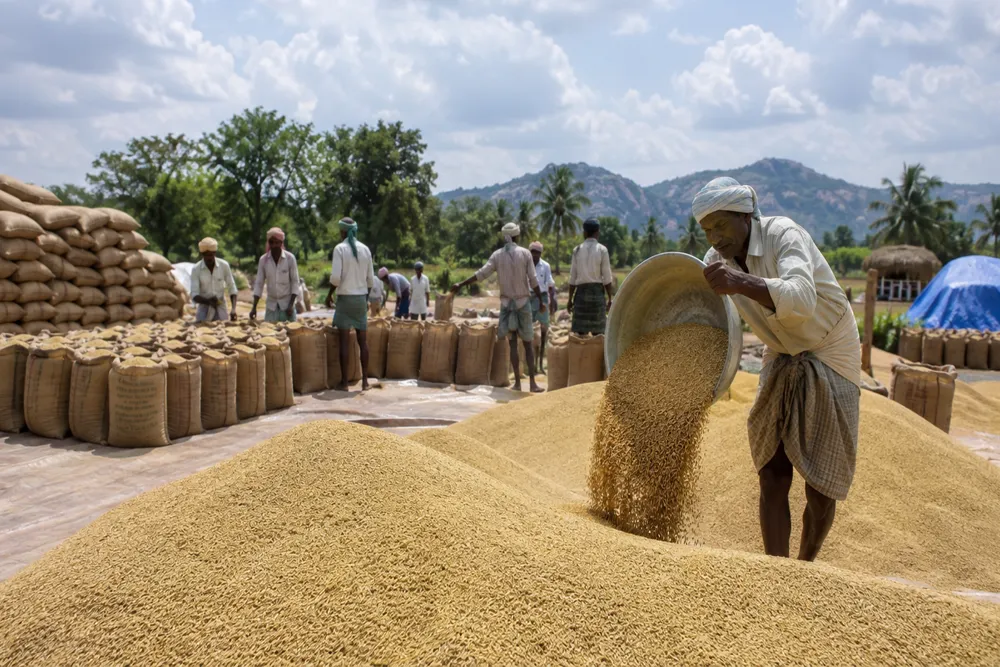
The Union government has decided to improve Telangana’s rice procurement target by eight lakh metric tonnes -- from 35 LMT to 43 LMT for the 2025-26 Rabi season, following requests from several quarters, including the state government. On Wednesday, July 22, the Ministry of Food and Public Distribution wrote to the state government and informed it of the Centre’s decision. Also, the Union ministry stated that the state government should ensure implementation of the Vehicle Location Tracking System (VLTS) in the state by September 30, 2026. At the same time, Union Coal & Mines Minister G Kishan Reddy expressed his gratitude to Prime Minister Narendra Modi and Union Food Minister Pralhad Joshi for improving the procurement target. According to him, this decision will benefit the Telangana farmers. Not only this, but he also said that on July 8, the BJP leaders, including MLAs, MPs and MLCs, met the Union food minister and requested him to raise the state’s procurement target. Moreover, he urged the state government to cooperate with the Centre and farmers by handing over the rice to the Food Corporation of India (FCI) at the earliest.
Rice Exports may be affected by Red Sea, Strait of Hormuz disruptions
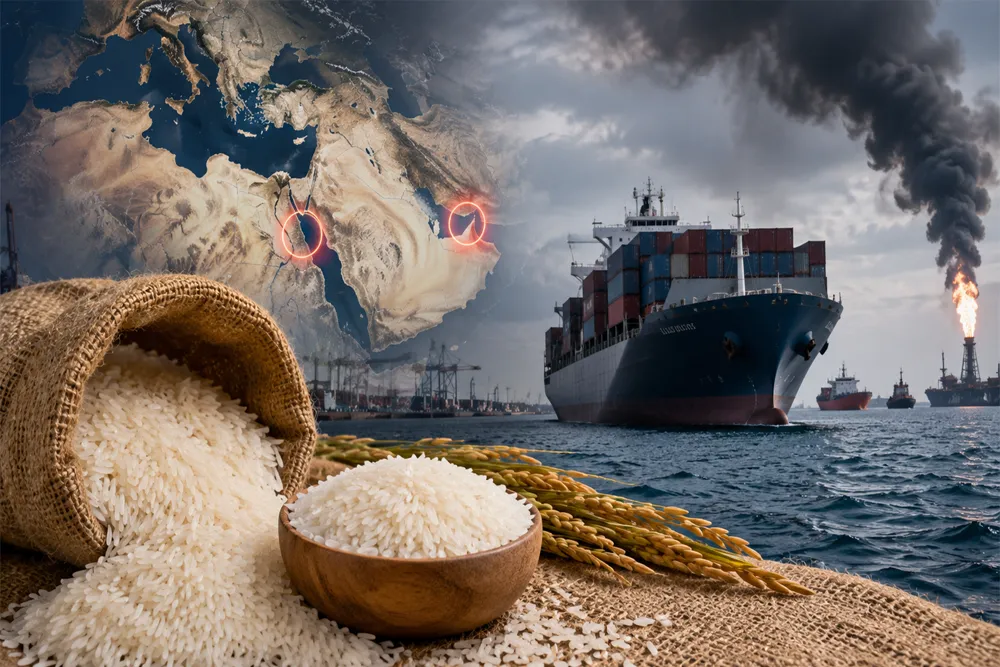
As the Red Sea is facing the growing threat leading to disruption of cargo movement through Bab-al-Mandab Strait and continued uncertainty regarding movements of ships via the Strait of Hormuz, which has hit India’s rice exports to Saudi Arabia, Iran and the European Union, as per exporters. Due to this Middle East War, sea freight has risen to record levels, insurance costs are also increasing, and exporters are battling an acute financial crisis as working capital remains locked in delayed shipments. According to an exporter, the disruption could severely impact India’s basmati rice exports, global supply chains and trade in the Middle East. Notably, over the past several months, nearly 0.5 million tonnes (MT) of rice export cargo, such as basmati rice, has remained stranded at the Kandla and Mundra ports in Gujarat. Broadly speaking, the value of India’s rice exports, such as basmati and non-basmati rice varieties, has declined 7.5% year-on-year to $11.53 billion in FY26.
Share this article
Article Info
Read Time
4 min read
Published
23 Jul 2026
Author
Megha Bajaj
Category
Rice News