Top Rice News: Rice To Ethanol, Hybrid Varieties & Export Rules
The top rice news today informs you about a heated debate triggered over the rice-to-ethanol push. In addition, several indigenous rice varieties were cultivated in Dang, Nepal. However, most of these indigenous rice varieties are now on the verge of disappearance, with the expansion of high-yield hybrid varieties. Moreover, the issuance of SOP by the Agricultural and Processed Food Products Export Development Authority (APEDA) followed by China’s rejection non-basmati consignments related to alleged GMO (genetically modified organisms) contamination.
Food or Fuel? Experts Caution India’s Rice-to-Ethanol Push Could Backfire
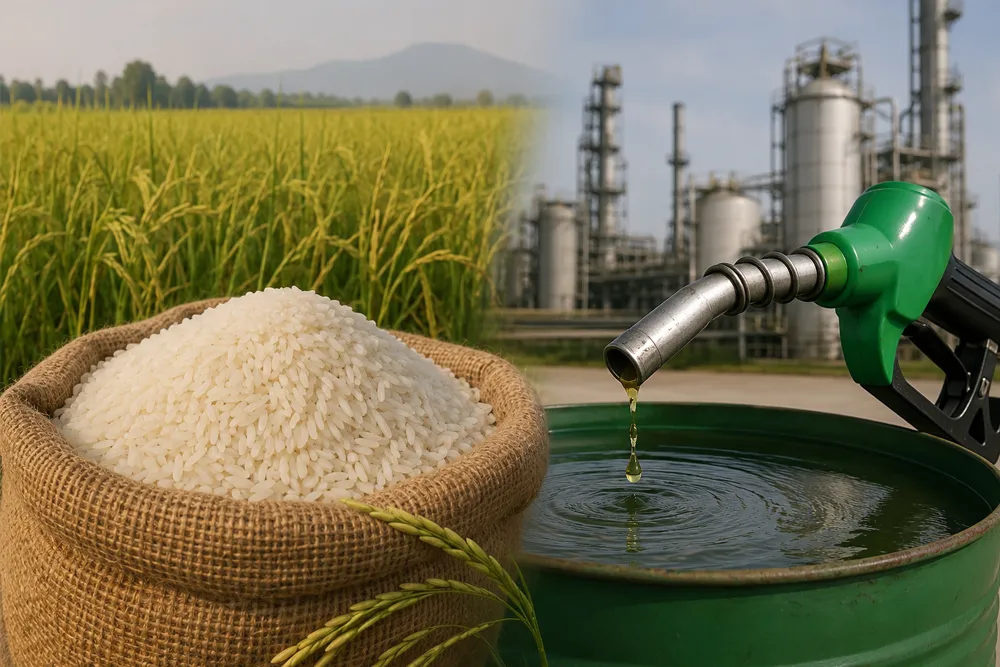
According to sources, India’s growing push to use surplus rice for ethanol production has sparked a heated debate related to food security and environmental sustainability. According to experts, the policy deals with supporting India’s ambitious ethanol blending programme by converting excess food grain stocks into fuel. Moreover, the government stated that this actually helps reduce reliance on imported crude oil and manage overflowing rice reserves; critics warn that the move could have severe long-term consequences. Experts emphasise that diverting rice towards ethanol production may reduce India’s food security buffer, particularly in times of climate shocks or supply disruptions. Also, they threaten that the environmental benefits are not straightforward, as large-scale cultivation of water-intensive paddy already restricts groundwater resources in various states. In addition, Environmental analysts assert that the food-to-fuel shift could conflict with India’s commitments to sustainable agriculture and climate goals. They highlight that alternative feedstocks such as agricultural waste or non-food crops may be more balanced options for ethanol production. However, Policy Supporters maintain that India currently holds surplus rice stocks and that controlled diversion will not influence domestic consumption. They also noted that ethanol blending is imperative to reduce fossil fuel imports and cut carbon emissions. Ultimately, the debate hints towards a dilemma that is balancing energy security, farmer income support, environmental sustainability, and national food needs in a fast-changing global economy.
Indigenous Rice Prices Triple, Yet Farmers Stick to Hybrid Rice varieties
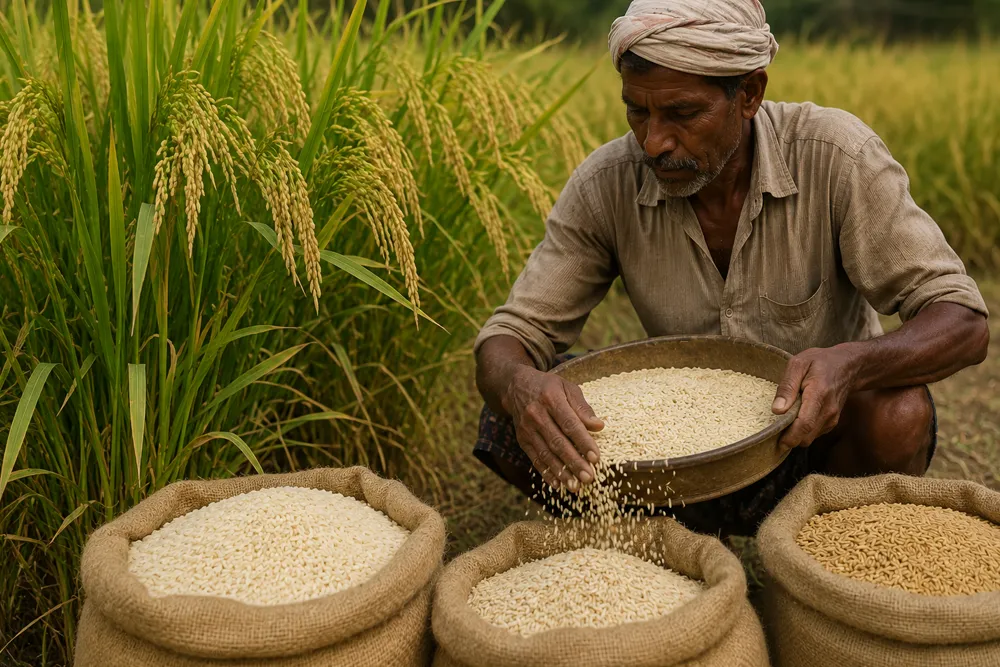
At one time, several indigenous rice varieties such as Sunakehsra, Sanjira, Rimalwa, Dhunmune, Gaure, Gopal, Tilki, Simtharo and Anadi were widely cultivated in Dang, Nepal. But most of these indigenous rice varieties are now on the verge of disappearance, with the expansion of high-yield hybrid varieties. Only Tilki, Simtharo and Anadi are still cultivated in some areas of the district. One of the farmers, named Durga Bahadur Khatri of Tulsipur Sub-metropolitan City–19, said that the increasing use of hybrid rice has led to the disappearance of wide indigenous rice varieties. He says: "Several indigenous rice varieties I used to cultivate have already disappeared. Only Tilki and Simtharo are seen somewhere here. If we do not conserve them, these too will disappear". According to him, using chemical fertilisers increases plant growth but reduces grain yield. He added that Tilki and Simtharo rice production is about two and a half muris per kattha, whereas hybrid rice can yield up to four muris. In addition, Dilli Bahadur Rawat, chairperson of the Centre for Environmental Sustainable Development and Research, stated that although the price of indigenous rice is more than three times higher than that of hybrid varieties, farmers are still attracted to hybrid farming due to lower production costs and higher yields. Under the campaign, farmers are provided seeds with the condition that they return an equal amount after harvest to the centre. Another Farmer Toyaram Basnet of Tulsipur–19 stated that he previously cultivated Tilki, Simtharo, Zhinuwa and Anadi rice, but switched to hybrid varieties because of increasing family needs. He said: “Indigenous rice is tasty and of high quality, but low production makes it difficult to sustain a household.” Notably, Tilki rice is used for special occasions and hospitality, whereas Anadi rice is popular among the Tharu community. Similarly, Simtharo rice is considered beneficial for health.
India intensifies Rice Export Rules to China with New APEDA SOP
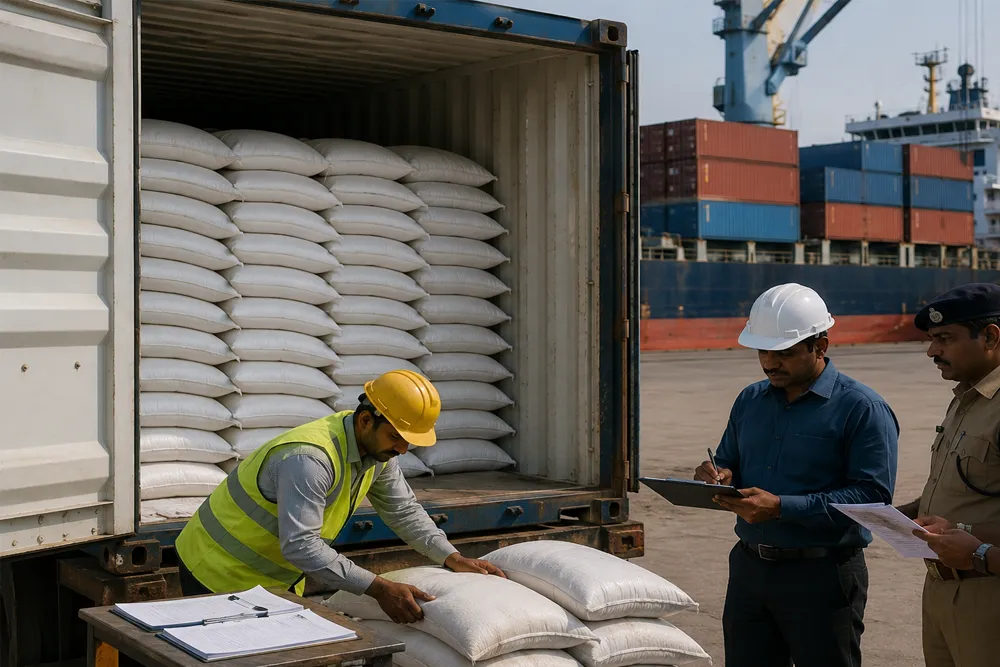
According to reports, the Agricultural and Processed Food Products Export Development Authority (APEDA) issued a new Standard Operating Procedure (SOP) for rice exports. The move comes after China rejects non-basmati consignments related to alleged GMO (genetically modified organisms) contamination. It has begun to enforce the new procedures from Tuesday (June 9). Keen to protect its footprint in a profitable neighbouring market that shows strong demand for Indian broken rice, the trade body is acting to relax the sector against falling export volumes in parts of Africa. In an official note of June 8, APEDA general manager Vinita Sudhanshu stated that in order to ensure compliance with the sanitary and phytosanitary requirements for the export of rice to China, a procedure has been developed for the guidance of exporters and other stakeholders.Apparently, the decision reflects India’s broader effort to protect and boost its presence in the Chinese market, which has shown consistent demand for Indian broken rice. At the same time, exporters are being encouraged to adapt quickly to the new framework to avoid disruptions and maintain competitiveness amid fluctuating demand in other global markets, including parts of Africa.
Share this article
Article Info
Read Time
5 min read
Published
13 Jun 2026
Author
Megha Bajaj
Category
Rice News