Top Rice News Today: Chinese Hybrid Rice, Prices & Kyrgyzstan Imports

The top rice news today covers major developments in rice farming, hybrid rice innovations, global rice imports, and changing rice prices. First development is about how Chinese scientists have recently developed a new hybrid rice variety that can preserve its high-yield traits in multiple generations, which is allowing farmers to replant seeds instead of purchasing new ones every year and the second development is related to rice price rise as the impact of El Niño fears is being observed in Telangana’s Khammam district. Third one is how Kyrgyzstan has increased its rice imports in the first five months of 2026, with shipments up 63% from the same period last year.
How This Newly Developed Hybrid Rice Variety Can Be Replanted Without Losing High Yields?

Chinese scientists have recently developed a new hybrid rice variety that can preserve its high-yield traits in multiple generations, which is allowing farmers to replant seeds instead of purchasing new ones every year. Notably, traditional hybrid rice often loses its productivity in later generations, forcing farmers to buy fresh seeds regularly. Moreover, this new breakthrough aims to overcome this limitation by maintaining desirable traits such as high yield and strong performance over successive planting cycles. According to researchers, the innovation could lower input costs for farmers, improve seed sustainability, and boost food security. If successfully adopted on a large scale, this technology could change rice farming by reducing reliance on commercial seed supplies and giving farmers greater control over cultivation. Not only this, this development also highlights China’s relentless emphasizes on agricultural innovation to meet rising food demand.
Rice Prices Rise In Telangana’s Khammam District Amid El Niño Fears
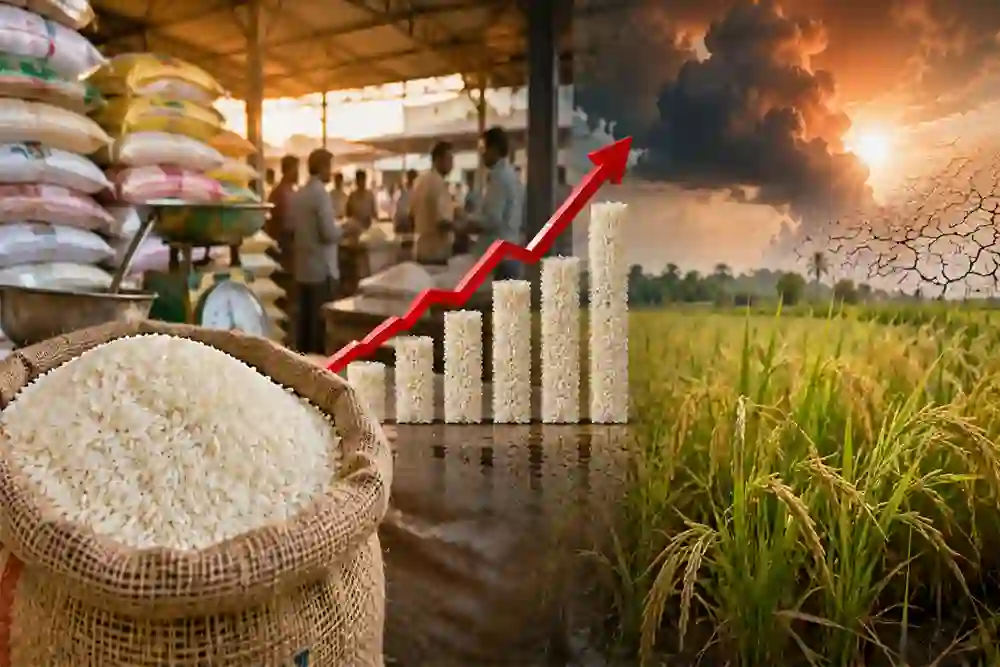
The impact of El Niño fears is being observed in Telangana’s Khammam district, where rice prices have started rising as traders reportedly stockpile rice in anticipation of supply challenges. In addition, concerns over possible weather disruptions and decreased agricultural output have encouraged some traders to hold back stocks by creating pressure on market availability. Broadly speaking, the rise in rice prices has raised concerns among consumers and farmers, as rice remains a key staple food in the region. Market participants who are closely monitoring rainfall patterns and crop conditions, as any major impact on production could further affect supplies and prices. According to experts, speculative stockholding during uncertain weather conditions can create artificial shortages and push prices higher. Apart from this, authorities may need to monitor inventories and market activities to ensure stable supplies and prevent unnecessary price spikes. The situation underscores how global climate patterns such as El Nino can affect local food markets, influencing everything from farm production to consumer prices.
How Kyrgyzstan's Rice Imports Jump 63% in First Five Months?
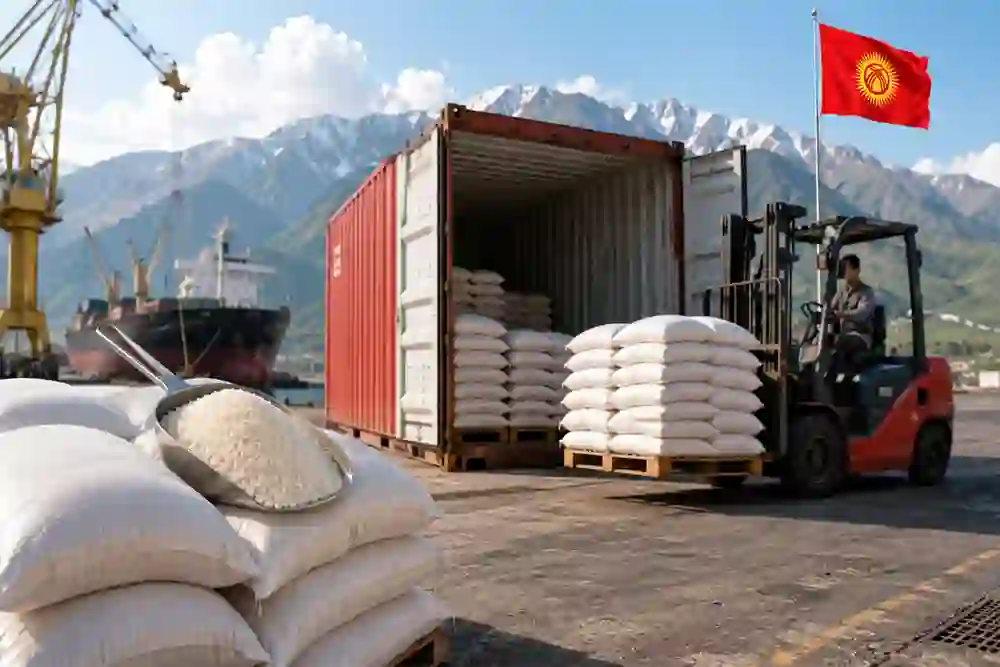
Kyrgyzstan has increased its rice imports in the first five months of 2026, with shipments up 63% from the same period last year. The country imported nearly 9,800 tonnes of rice worth nearly $5 million, indicating growing reliance on overseas supplies to meet domestic consumption needs. The rise in rice imports outlines changing dynamics in Kyrgyzstan’s food market, where domestic production may not be sufficient to match demand. A surge in rice imports is also associated with efforts to maintain stable rice availability and manage consumer needs.
Rice supplies have been sourced from several countries, with Kazakhstan, India, Russia, Pakistan, and others among the key suppliers. This sharp rise underscores the significance of securing reliable food supply chains as countries balance domestic production, market demand, and global agricultural trade challenges.
Share this article
Article Info
Read Time
3 min read
Published
27 Jul 2026
Author
Megha Bajaj
Category
Rice News