From Bangladesh’s Record Foodgrain Stock to China’s Clone-Hybrid Rice: Today’s Top Rice News
From Bangladesh’s Record Foodgrain Stock to China’s Clone-Hybrid Rice: Today’s Top Rice News
Bangladesh Has Highest-Ever Food Grain Stock, Rice Price spike Unlikely: Food Adviser
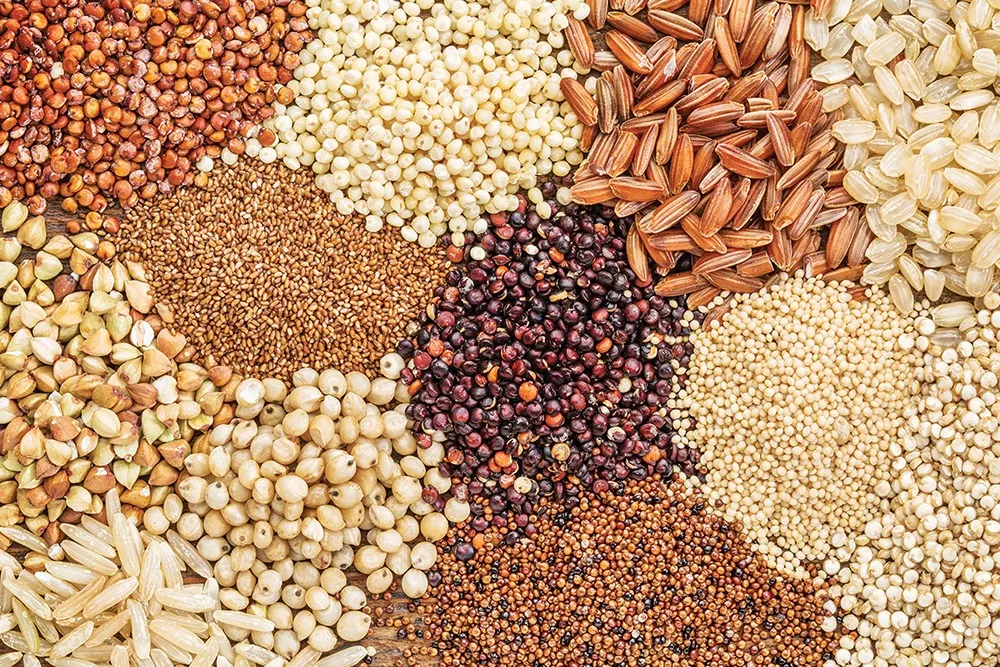
Food Adviser Ali Imam Majumder said that the Bangladesh Government currently holds a 2.027 million tonnes of food grains stock, with capacity to increase reserves to 2.4 million tonnes, strengthening hopes that rice prices will remain stable. He noted that last year’s price rise were sparked by political change and natural disasters, but strong stocks and steady paddy procurement in the Aman season and expected Boro procurement, should prevent further raises. Rice imports from India are continuing normally, with no political issues involved.
Price Of Rice Varieties Spikes in Southern Districts
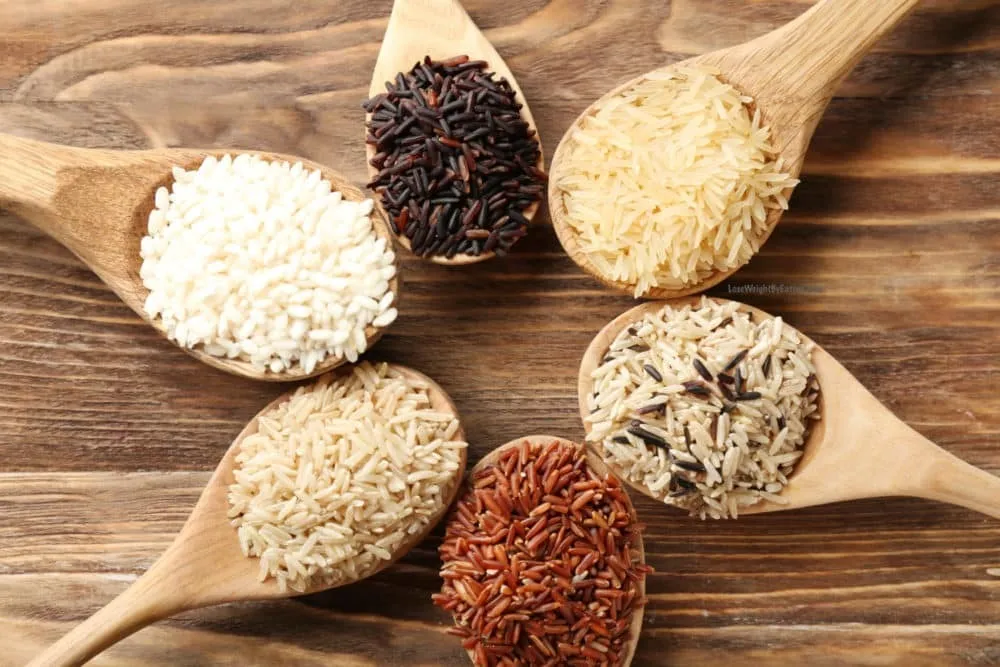
Amid the complaints from farmers that paddy is fetching low prices, the price of rice varieties has spiked in Karnataka’s southern districts. According to grain merchants and the public, rates surged by a minimum of Rs 10 to 20 per kg in the retail market in the last one-and-a-half months. Since no rice is available at subsidised prices under any scheme, middle-class families are the worst hit by this spike. CK Ganesh, director of Mysuru Grain Merchants Association, stated that rice prices jumped by Rs 15 to Rs 20 per kg due to various factors, including a shortage in the supply of 12-month to 24-month-old rice to the market, based on the variety. According to him, another six months are required for prices to stabilise.
China Develops World’s First Clone-Hybrid Rice That Significantly Boost Global Output
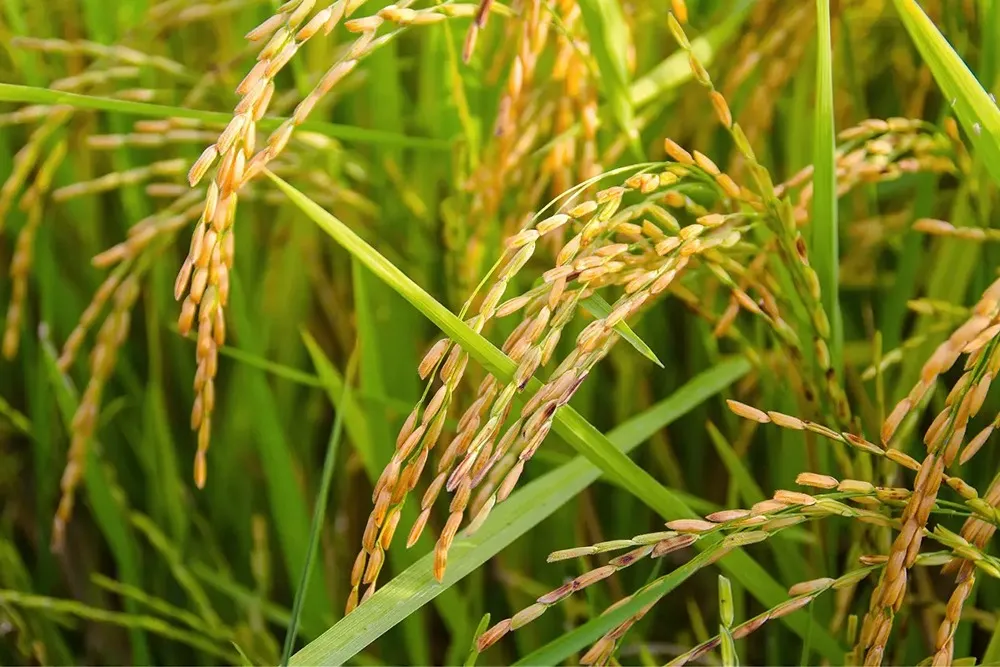
According to the development team, Chinese researchers have created a form of hybrid rice that can double itself through seeds that are clones, preserving high-yield traits generation after generation. The scientists stated that their breakthrough could change global agriculture by deconstructing the biggest barrier to hybrid rice production: the need for farmers to purchase expensive new hybrid seeds every season. As hundreds of millions of people around the world face severe food insecurity, hybrid rice has promised higher yields: nearly four times more in parts of Africa compared to traditional varieties.
Share this article
Article Info
Read Time
2 min read
Published
8 Jan 2026
Author
Megha Bajaj
Category
News