Top Rice News: Fall In Basmati Prices due to Hormuz conflict
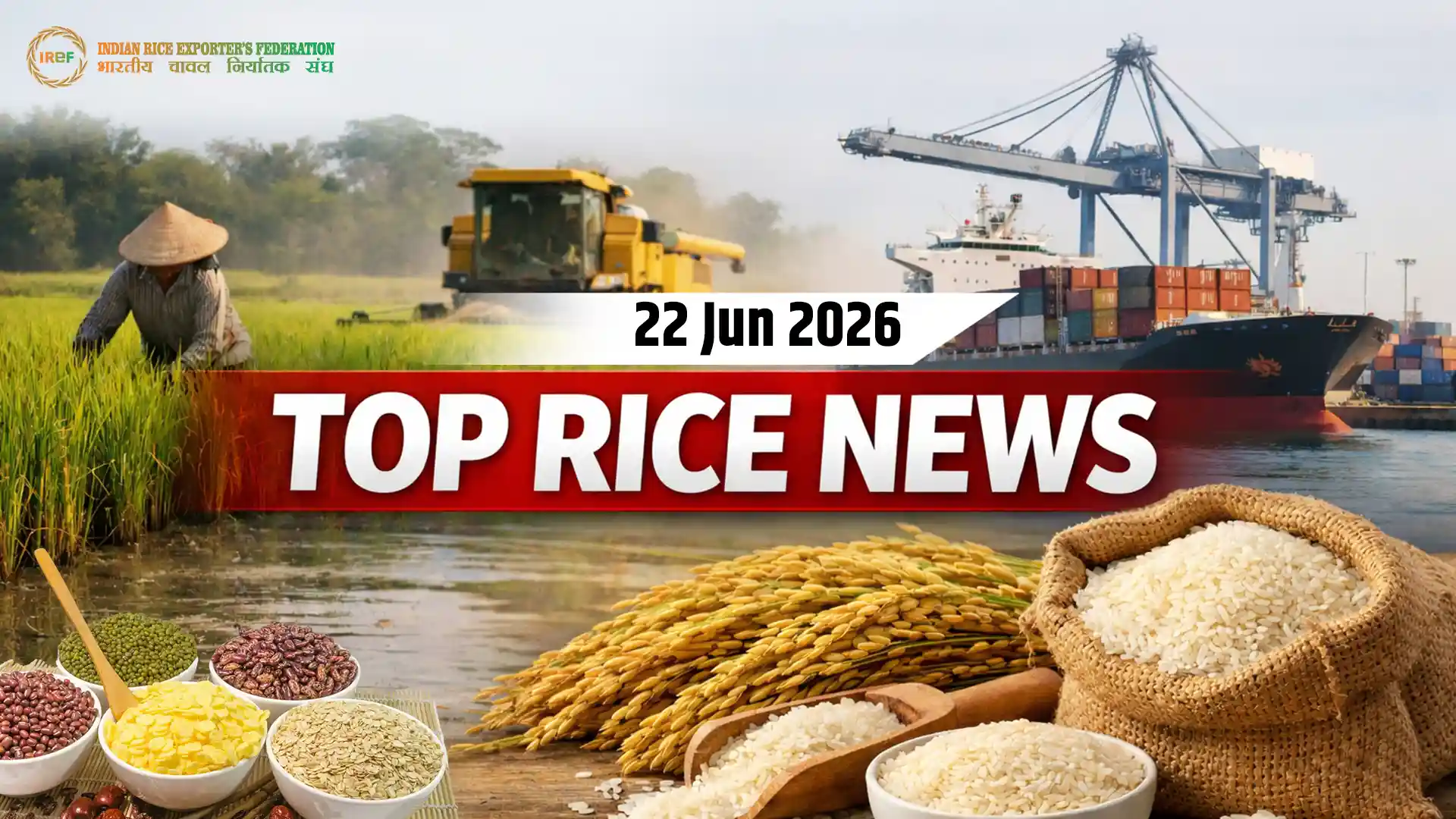
Top rice news today highlights important developments shaping the global rice industry. In Bangladesh, salt-tolerant rice varieties are changing coastal agriculture by helping farmers overcome increasing soil salinity, tidal flooding, and climate-related risks. These resilient varieties, supported by improved water management and agricultural technology, are restoring hope among farming communities in vulnerable regions. At the same time, India’s basmati rice market is facing uncertainty as tensions around the Strait of Hormuz threaten export flows to major Gulf markets, creating concerns over prices and demand. Bangladesh’s rice market also remains under pressure as weak storage facilities, rising production costs, and inefficient supply chains contribute to post-harvest price increases. Strengthening climate-smart agriculture, modern infrastructure, and transparent market systems is crucial for securing food security and stability in the global rice sector.
Salt-Tolerant Rice Transforms Bangladesh’s Coastal Farmlands
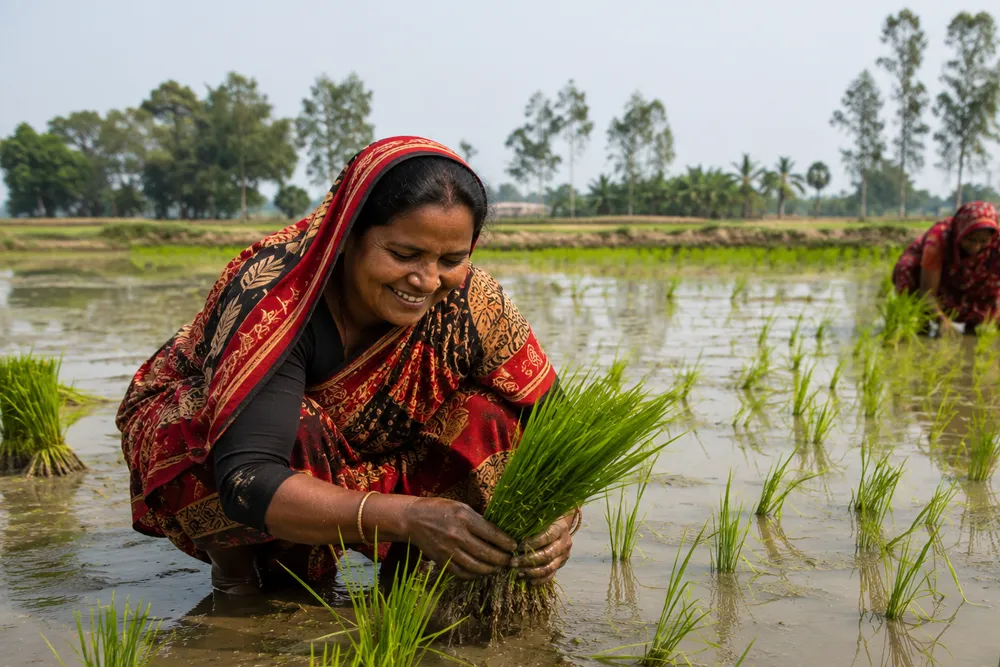
In Bangladesh’s saline-affected south-western coastal area, farmers are finding a new way to safeguard their livelihoods through Boro rice cultivation. Areas once grappling with rising soil salinity are now facing a transformation as salt-tolerant rice varieties that could help farmers restore agricultural productivity. For decades, increasing salinity due to climate change, tidal flooding, rising sea levels, and changing water conditions has limited farming options in coastal districts. However, enhanced agricultural technology and climate-resilient rice varieties are allowing farmers to cultivate crops even under challenging conditions. According to reports, Boro cultivation in the south-west region has increased significantly over the years. Farmers are adopting varieties developed by institutions including Bangladesh Rice Research Institute that can tolerate saline environments and support stable yields. The shift is offering renewed hope to farming communities in districts including Khulna, Bagerhat, and Satkhira, where agricultural land has faced severe salt stress. Apart from improving seeds, initiatives such as freshwater storage and better water management are facilitating farmers adapt to changing environmental conditions. According to experts, increasing climate-resilient agriculture and boosting water management systems will be significant for securing food production in Bangladesh’s vulnerable coastal regions. Not only this, Boro rice is emerging as a symbol of adaptation against climate challenges.
Strait of Hormuz Disruption May Drag Basmati Prices Lower
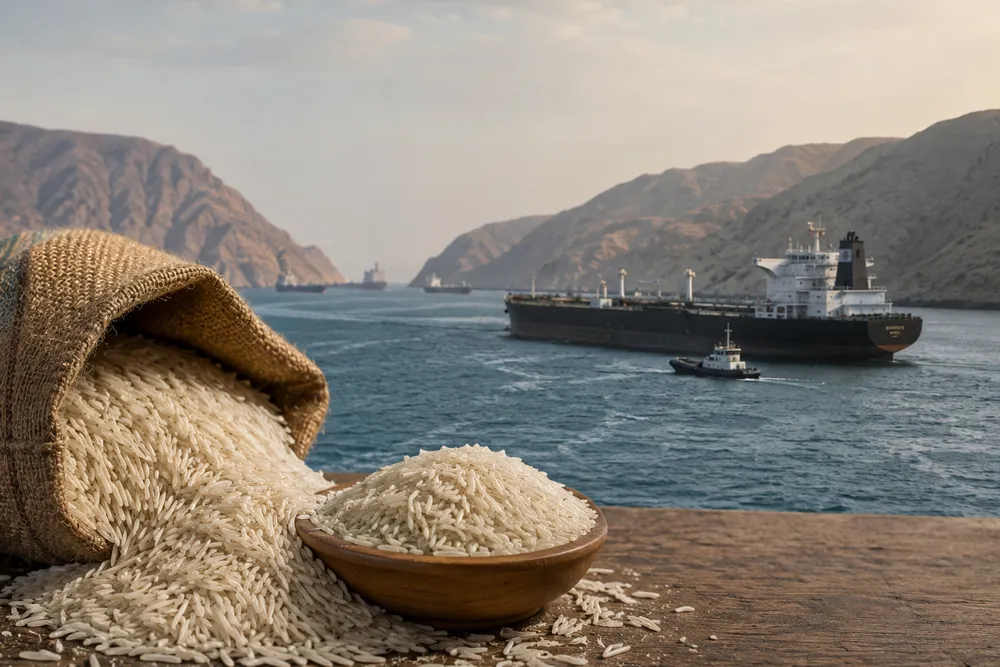
According to sources, India’s basmati rice market is witnessing uncertainty as tensions in the context of the Strait of Hormuz threaten exports to major Gulf markets. The reports stated that a disruption in this vital trade route could push basmati prices down by 5–10% due to slower shipments and weaker overseas demand. Notably, the Gulf region is one of the most important destinations for Indian basmati rice exports. Any slowdown in trade activity in the global context could leave more stocks available in the domestic market, which creates pressure on prices. Furthermore, exporters and traders are closely monitoring the situation as shipping challenges and market uncertainty continue. Whereas lower prices may offer some relief to consumers, the impact could be challenging for exporters and farmers who depend on international demand. Moreover, reduced overseas buying could affect earnings in the basmati value chain, including growers, traders, and rice exporters. The development emphasize how global geopolitical events can directly affect India’s agricultural markets. The future direction of basmati prices will depend on export recovery, shipping conditions, and demand from international buyers since the tensions around the Strait of Hormuz continue to shape trade routes.
Why Rice Prices Rise After Harvest in Bangladesh?
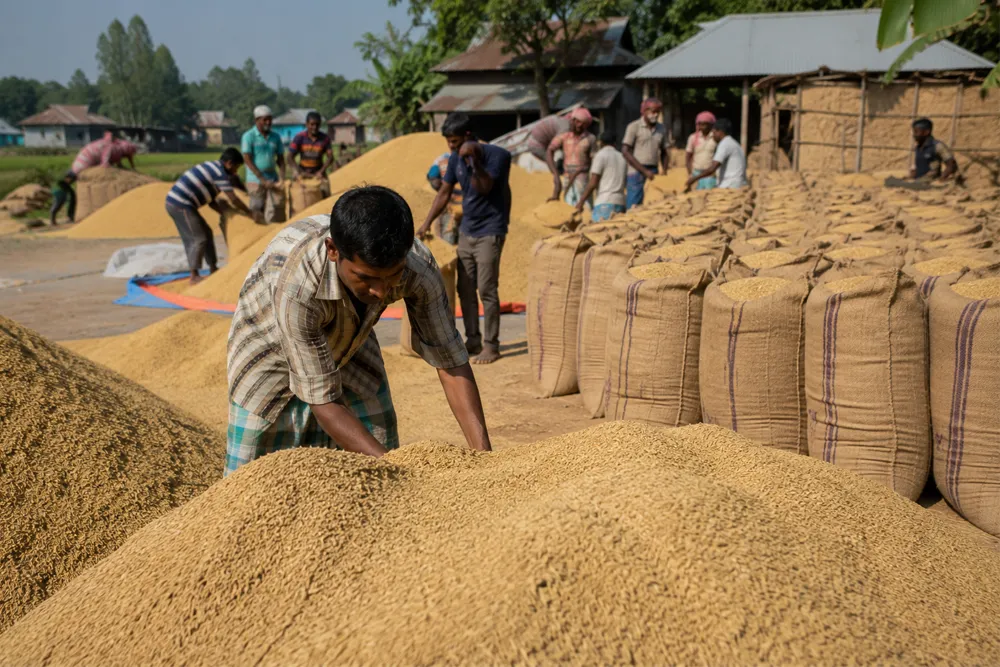
In Bangladesh, rice prices often rise immediately after harvest despite increased supply due to the weaknesses in the agricultural market system. Farmers frequently sell their produce at low prices after harvest since they need quick cash to repay loans and cannot afford proper storage. This pathetic state enables middlemen, millers, and traders to gain greater control over pricing, increasing costs for consumers along with limiting farmers’ profits. Rising input costs, inadequate storage facilities, poor transportation networks, and inefficient supply chains are continue to contribute in the imbalance. Instead of focusing only on controlling retailers or traders, long-term solutions require enhancing the entire value chain through better infrastructure, transparent markets, digital trading systems, and stronger support for farmers. There is no doubt that farmers deserve fair prices, but this should come from an efficient and agricultural system rather than temporary government interventions. A well-organized rice economy can protect both producers and consumers by reducing unnecessary price increases and ensuring stability in the market.
Share this article
Article Info
Read Time
4 min read
Published
22 Jun 2026
Author
Megha Bajaj
Category
Rice News