Top rice news: Basmati Rice & Tea Exports to West Asia at a Halt

Top rice news today highlights the Centre releasing rice of Rs 10 crore to Mizoram for refugees. In addition, how basmati rice and tea exports have suddenly stuck amid the renewed West Asia Crisis, leaving 100,000 tonnes of basmati rice stranded at Kandla Port. Furthermore, a warning by a UK-based nutritionist stating that rice can contain arsenic, a toxic substance linked to cancer, heart disease, and diabetes. Moreover, he recommends a parboiling with absorption methods.
Centre Releases ₹10 Crore Rice Aid for Refugees in Mizoram
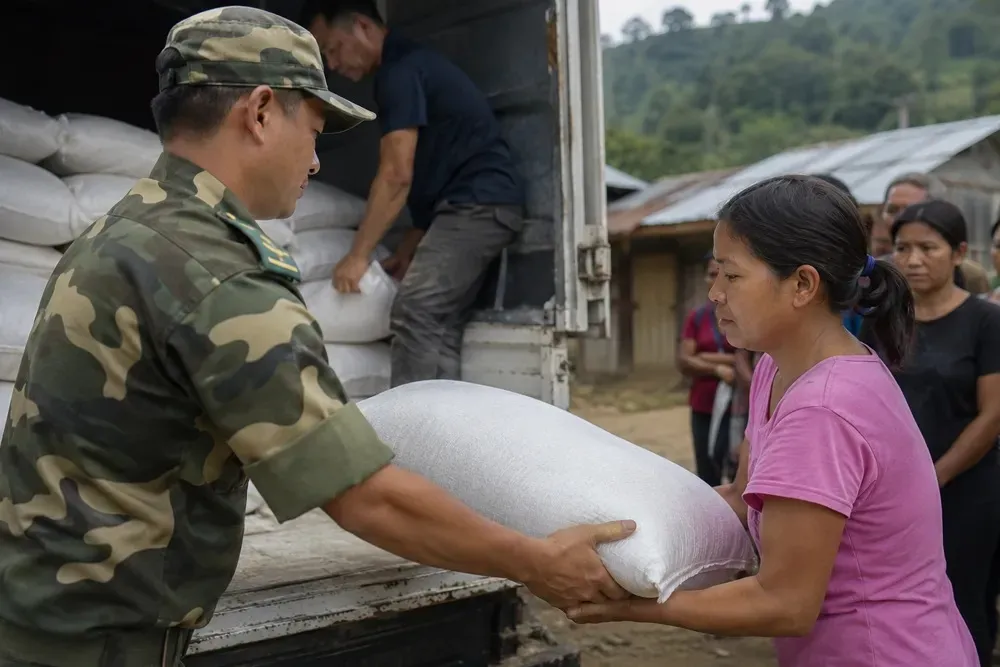
An official statement was made on Saturday, stating that Union Home Minister Amit Shah informed Mizoram CM Lalduhoma that the Centre will give rice worth Rs 10 crore for refugees who are taking shelter in the state on Friday. Moreover, in their meeting at Kartavya Bhawan in Delhi, Lalduhoma apprised Shah of around 40,000 Manipuri, Bangladeshi and Myanmarese refugees having already taken refuge. He said that his govt. has been making every possible effort to provide humanitarian aid to them, but he emphasised the urgent need for support from the Centre. Furthermore, the CM highlighted that Mizoram had not been receiving aid from the Centre owing to its insurgency-free society under the Security Related Expenditure scheme (SRE). According to the statement, in addition, Lalduhoma appealed to the Union home minister to extend the funding to Mizoram since the state has been combating endless drug trafficking and cybercrime. On the other hand, Shah urged Lalduhoma to submit more project proposals under the PM-DEVINE (Prime Minister's Development Initiative for North Eastern Region) scheme and assured his support.
Basmati rice, tea exports come to grinding halt Amid West Asia Crisis
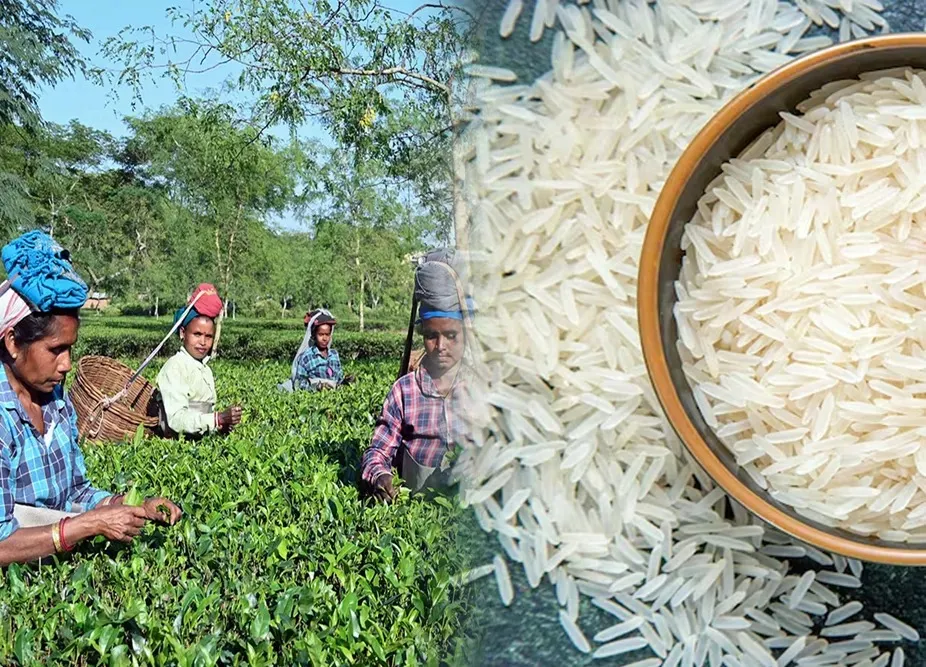
Exports of basmati rice and tea from India to West Asia have come to a grinding halt due to intensifying geopolitical tensions linked to the US–Iran conflict and instability in the Strait of Hormuz region, world’s most critical routes. In its consequence, several vessels carrying nearly 100,000 tonnes of basmati rice are currently stranded at Kandla Port, awaiting safe passage.
Moreover, tea exporters are unable to fulfil pending orders from Gulf Cooperation Council (GCC) countries, despite strong demand for premium orthodox teas. Ultimately, shipping disruptions, rising insurance costs, and attacks on cargo vessels have severely impacted trade routes. Exporters say that the West Asia Crisis has created confusion in the market, with shipments delayed or completely halted from the past few days. Undoubtedly, West Asia accounts for a major share of India’s basmati rice and tea exports, but is now struggling with severe supply disruption. This leads to financial pressure on exporters and uncertainty in agricultural trade flows.
Rice May Contain Toxic Arsenic: Nutritionist’s Parboiled Cooking Method
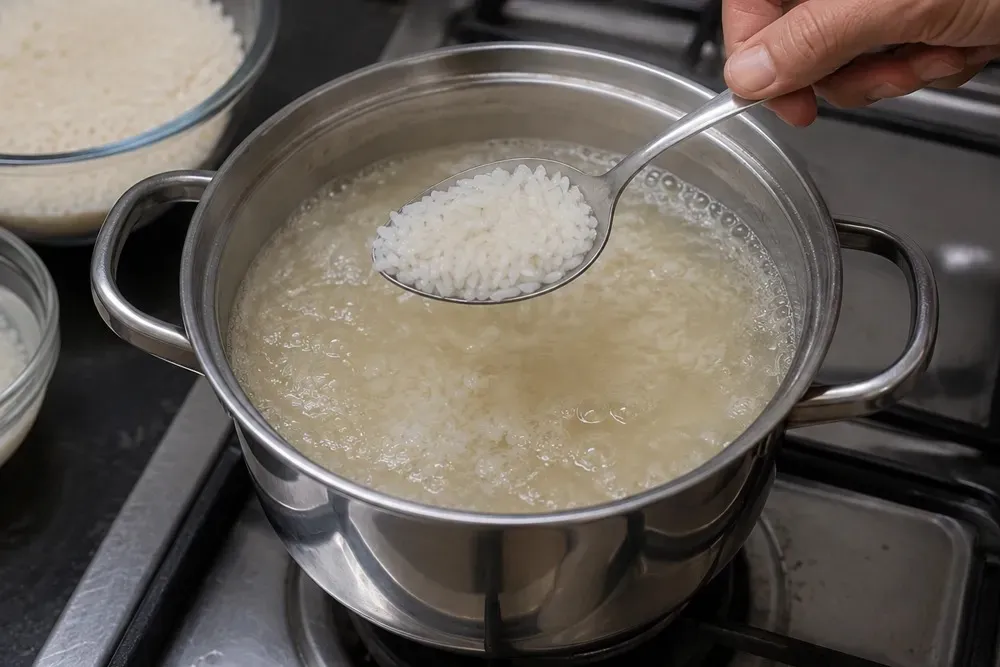
Recently, a nutritionist based in the UK has issued a warning to consumers about rice, citing that popular cooking methods expose them to dangerous chemical levels. He took to Instagram and uploaded a video on June 12, where he can be seen detailing the hidden dangers lurking in standard bags of rice. "Your rice is full of toxic arsenic," he warned, adding, "Now, this is a big problem. You don't want to be eating arsenic. In his opinion, the presence of the heavy metal is a major health concern. He pointed out that regular consumption of the substance 'has been linked with cancers, cardiovascular disease, and diabetes'. He says: "Most rice is loaded with arsenic - linked to cancer, heart disease and diabetes". Furthermore, he demonstrated a multi-step cooking process called the parboiling with absorption method and requested that anyone who consumes rice regularly follow the routine and shared: "If you eat a lot of rice or you know anybody who does, share this with them to help enhance their health and yours, too." The process begins by rinsing your rice a couple of times just with normal cold filtered water, as this can remove some of the arsenic and boil it with water nearly 4 times the amount of rice, then drain it, and cook normally. This is called parboiling, and it's the major to removing arsenic from the water.
Share this article
Article Info
Read Time
4 min read
Published
15 Jun 2026
Author
Megha Bajaj
Category
Rice News