Top Rice News: Parboiled Rice Procurement, Thai Rice Exports & Rice Fish Farming
Top rice news today highlights Parboiled rice procurement by Andhra Pradesh for the first time, disruption in Thai rice exports due to the Middle East conflict, and improvement in production due to China’s rice-fish farming.
Andhra Pradesh to Procure Parboiled Rice for the First Time
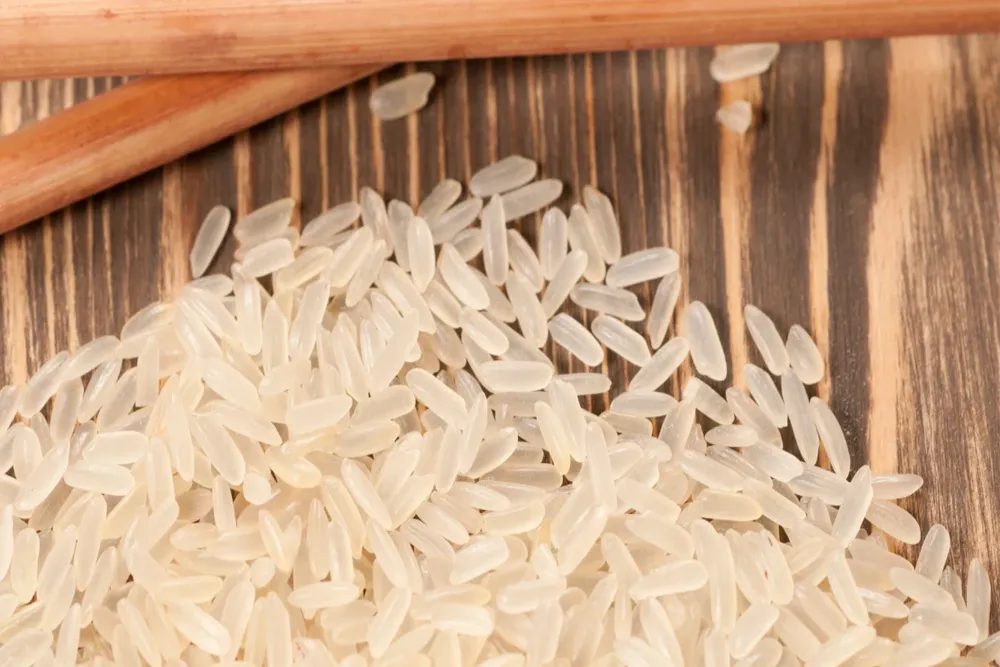
Recently, the Andhra Pradesh govt. has announced that parboiled rice procurement will be carried out for the time being during the ongoing Rabi procurement season. In a notable development, the state civil supplies minister Nadendla Manohar stated that the Centre had granted permission to procure nearly two lakh metric tonnes of parboiled rice, a move expected to benefit thousands of farmers in the state. The announcement came after the ministers inspected Paddy procurement operations at Ramavarappadu and Gollapudi in NTR district on Saturday. In the inspection, he reviewed the operations of procurement centres, moisture-testing procedures and interacted directly with farmers to understand issues being faced at ground level. Moreover, the authorities said that the govt. has set an ambitious target of procuring 70 lakh metric tonnes of paddy during the current Rabi season. The decision comes amid anticipation of higher crop yields compared to the last year. The minister called this a record procurement season. He stated that the civil supplies department, district administration, and procurement agencies were working in coordination to ensure smooth operations without inconvenience to farmers. In addition, farmers informed the minister that payments were being credited into their bank accounts within 30 minutes to 17 hours after the paddy was sold. The minister guaranteed the farmers that the government would continue taking all necessary measures to protect their interests and boost procurement operations in the state.
Regional Conflict Disrupts Thailand’s Rice Trade With Iraq
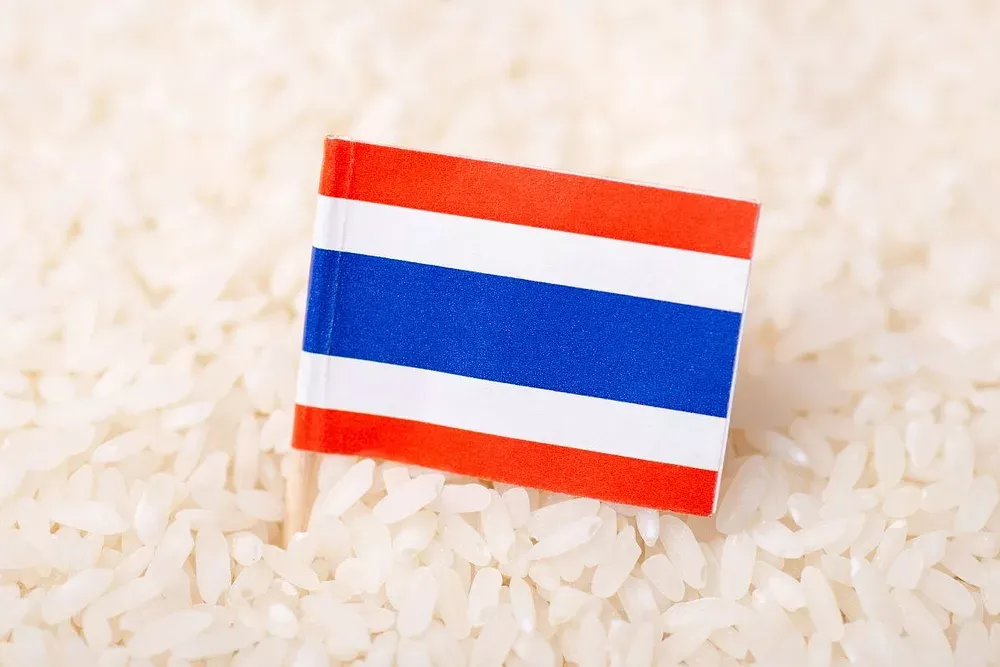
According to sources, Thai rice exports to Iraq have halted amid the Middle East conflict. The sources cited Thai Rice Exporters Association honorary president Chookiat Ophaswongse and said Iraq had imported between 80,000 and 90,000 tons of Thai rice monthly, or around one million tons annually, before the war. But now, the conflict has disrupted shipments, including one vessel forced to unload its cargo after being unable to continue sailing. Ophaswongse revealed that Thailand lost more than 200,000 tons of rice exports to the Middle East over the past three months amid a roughly 20% rise in shipping and insurance costs alongside higher global oil prices. Thai rice exports climbed to only 2.2 million tons during the first four months of 2026. Not only this, but it has also raised concerns over Bangkok's ability to meet its annual export target of seven million tons." Earlier this year, Thailand's Department of Foreign Trade reported that Iraq purchased 95,000 metric tons of Thai rice during the first 11 months of 2025, whereas overall Thai rice exports were anticipated to reach between 7.8 million and 8 million tons for the year.
China Study Finds Rice-Fish Farming Increases Yield and Reduces Pesticide Use
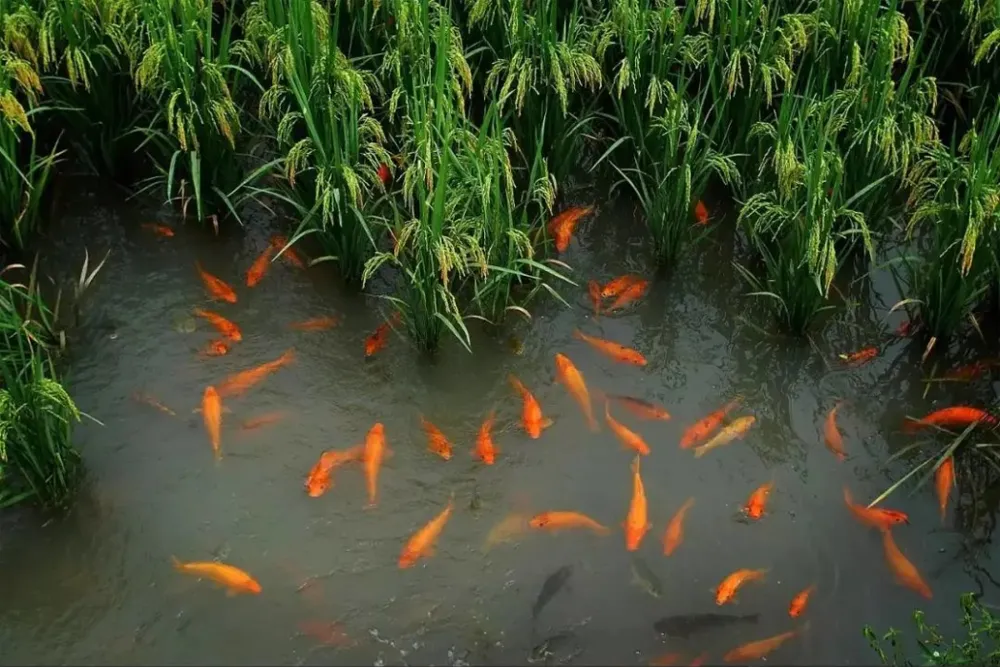
A global research team led by East China University of Science and Technology in Shanghai has confirmed that the traditional rice–fish co-culture system can significantly improve crop yields while naturally controlling pests and diseases, offering a viable model for sustainable agriculture. The findings, based on collaboration with scientists from 18 countries, showed that rice yields under the rice–fish system increased by an average of 12.5 per cent compared with conventional monoculture farming. The presence of fish in paddy fields plays a significant ecological role. The rice fish farming method dates back over 2,000 years to the Han Dynasty. It integrates aquaculture with paddy cultivation. The system in Qingtian county, Zhejiang province, was recognised as a Globally Important Agricultural Heritage System by the Food and Agriculture Organisation of the United Nations in 2005. The research team explained that the system enhances productivity through ecological interactions. Fish directly decrease pest populations, while also supporting natural predators that further suppress pests. This dual mechanism enhances crop yields both directly and indirectly. Experiments showed that fish species such as crucian carp and red carp selectively feed on pests like brown plant hoppers without harming beneficial predators. According to researchers, it has proven effective across different farming conditions, including organic and conventional systems, as well as in both temperate and tropical regions, making it a promising approach for sustainable agricultural development worldwide.
Share this article
Article Info
Read Time
4 min read
Published
11 May 2026
Author
Megha Bajaj
Category
Rice News