Top Rice News: Grain ATM, Japan Rice Buyback & Mettur Dam
Top rice news today highlights major developments shaping the global and Indian rice sector. Odisha has opened its third Grain ATM in Dhenkanal, enabling biometric rice distribution. Japan plans to buy back 210,000 tonnes of emergency rice as supply shortages ease and prices face downward pressure. Meanwhile, Tamil Nadu’s Mettur Dam remains vital for irrigation across the Cauvery delta, supporting Kuruvai, Samba and Thaladi rice cultivation and strengthening the state’s rice production.
Odisha Opens Third Grain ATM in Dhenkanal
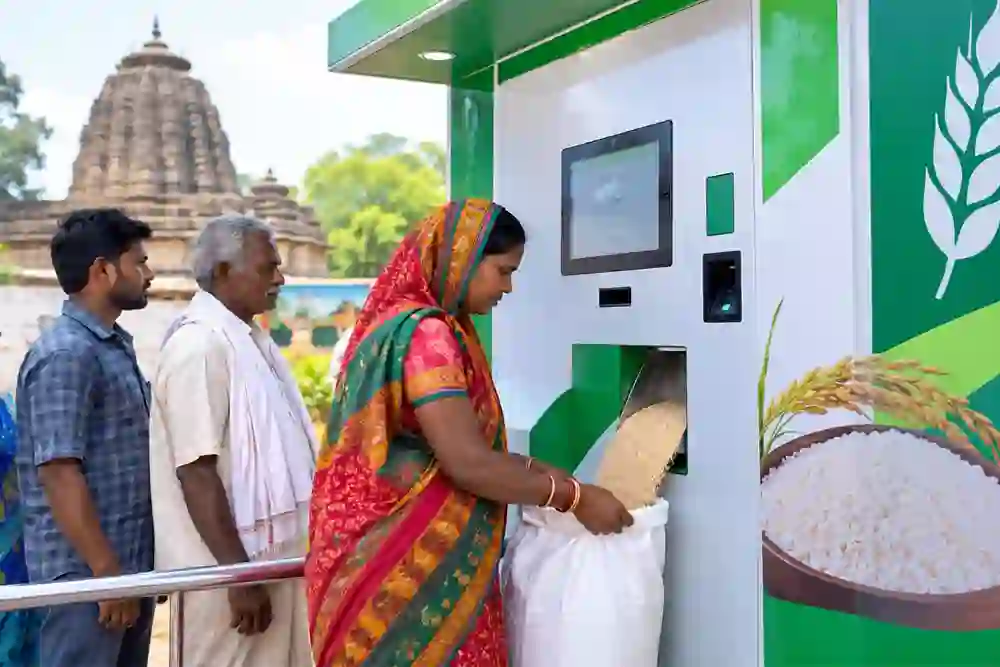
Recently, Odisha opened its third Grain ATM, or Rice ATM, in Dhenkanal, offering beneficiaries a faster, more convenient way to collect their monthly rice entitlement. Odisha Food Supplies and Consumer Welfare Minister Krushna Chandra Patra inaugurated the facility on Sunday. Moreover, it provides 24-hour access to food grain through a biometric authentication system, eliminating the need to wait in long queues at fair-price shops.
Beneficiaries can collect their allotted rice by using their fingerprints and completing Aadhaar authentication. Once verification is successful, the machine automatically dispenses the entitled quantity of rice. The initiative is aimed at making the Public Distribution System more accessible, transparent and convenient. Notably, the Dhenkanal Grain ATM will be jointly managed by the Odisha State Civil Supplies Corporation and the district administration. The state government plans to increase the facility to other districts in phases, with Keonjhar among the areas expected to be covered.
Not only this, but beneficiaries who attended the inauguration welcomed the initiative, saying it could significantly reduce waiting time and make monthly rice collection easier. The move reflects Odisha’s efforts to use technology to improve food grain distribution and provide hassle-free services to beneficiaries.
Why is Japan Buying Back 210,000 Tons of Emergency Rice?
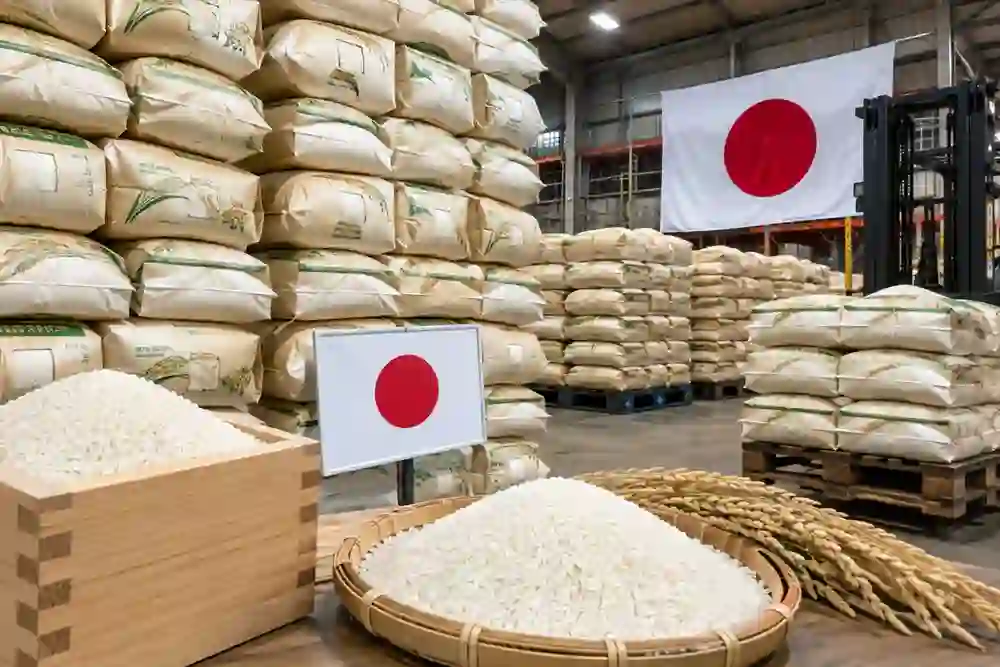
Japan’s government plans to buy back 210,000 tonnes of rice that it released from emergency reserves last year, as concerns over a potential price collapse grow following the easing of supply shortages. The Agriculture Ministry is expected to begin purchasing the rice through negotiated contracts, with bidding scheduled for September 18. In addition, the move comes after Japan released emergency rice stocks to address a supply crunch that had pushed retail rice prices sharply higher. As supplies have since improved and new-crop rice has entered the market, prices have started coming under downward pressure.
The government’s decision to repurchase part of the emergency stockpile is aimed at preventing an excessive decline in rice prices along with rebuilding national reserves. Officials also want to maintain stability in the domestic rice market and protect farmers from a sharp fall in prices. The 210,000-tonne buyback represents a significant step in managing Japan’s rice supply after last year’s emergency measures. The government will closely monitor market conditions as new harvests increase availability. The development highlights the challenge of balancing consumer prices with farmer incomes while maintaining adequate emergency reserves. Japan’s rice market is expected to remain closely watched as supply and demand conditions continue to change.
Mettur Dam: Lifeline of Tamil Nadu’s Rice Belt. Here’s How?
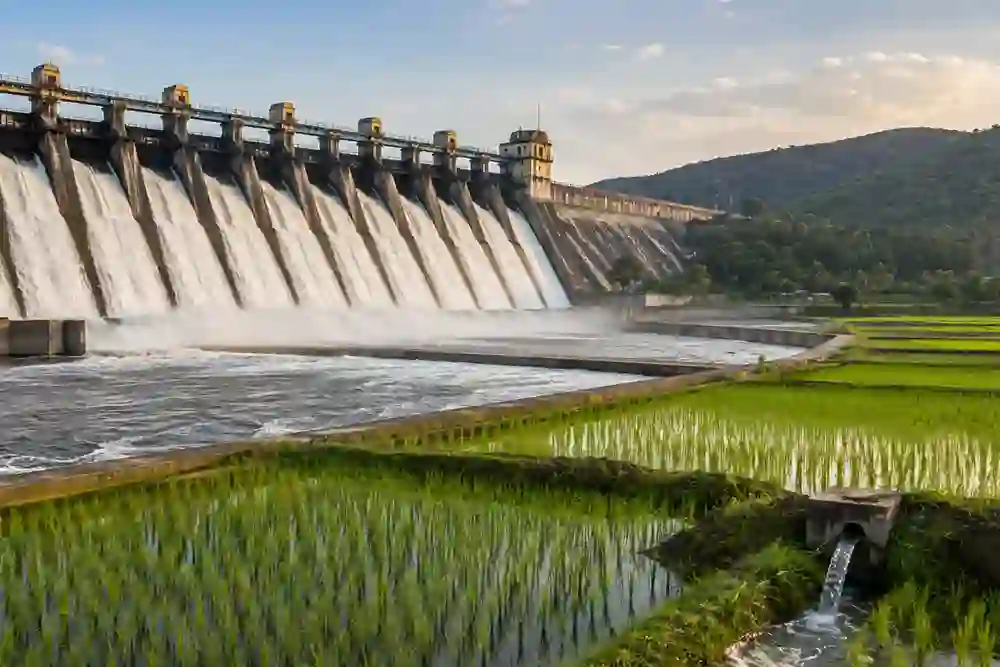
Mettur Dam is a vital source of irrigation water for Tamil Nadu’s fertile Cauvery delta, supporting millions of farmers and playing a crucial role in the state’s rice production. Built across the Cauvery River in Salem district, the dam regulates water supply to several downstream districts and helps farmers plan their agricultural activities. The annual opening of the Mettur Dam for irrigation is a significant event for the delta region, particularly for farmers cultivating the Kuruvai, Samba and Thaladi rice crops. Water released from the reservoir travels through the Cauvery river system and its network of canals, reaching agricultural fields across the rice belt.
The reservoir’s water level is closely linked to monsoon rainfall and inflows from the Cauvery basin. When inflows are inadequate, farmers face uncertainty over sowing and irrigation schedules. At the same time, a timely release, can provide confidence to farmers and support seasonal cultivation. Beyond agriculture, Mettur Dam has wider significance for Tamil Nadu’s water management and rural economy. Its role in sustaining the state’s rice-growing region makes the reservoir a major component of food production and farmer livelihoods.
Share this article
Article Info
Read Time
4 min read
Published
1 Sept 2026
Author
Megha Bajaj
Category
Rice News