Top Rice News: Rice exports crisis, Philippines Rice Price Cap & Nigeria Food System Reform
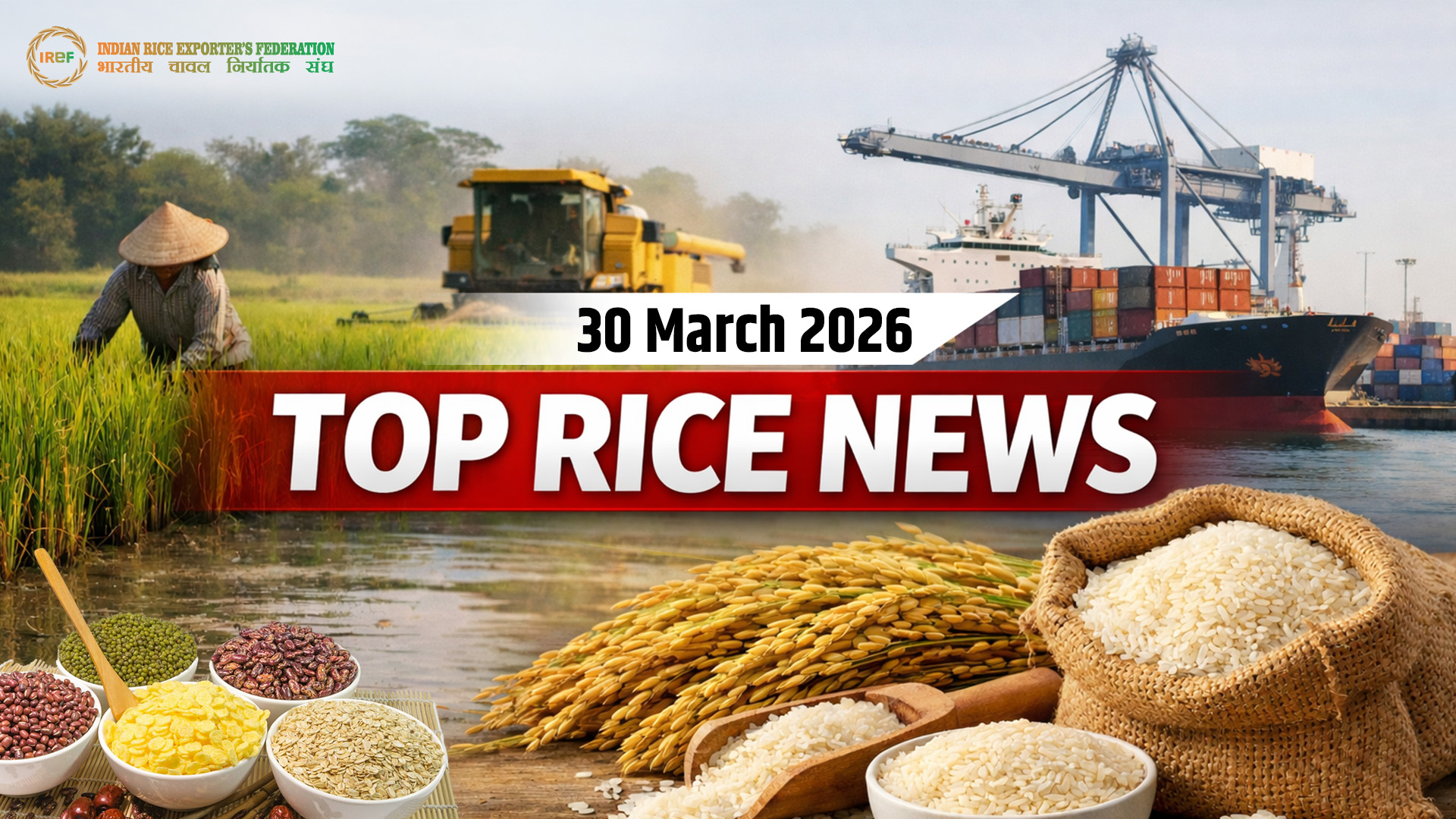
Today’s Top rice news includes the disruption of Rice Exports to Iraq due to the shipping crisis, the Philippines’ plan of a 30-day rice price cap and Nigeria to rethink its food system beyond staple crops.
Shipping Crisis Disrupts Rice Exports to Iraq Amid Rising Freight Costs
According to reports, a global shipping crisis has severely disrupted rice exports to Iraq, which has brought trade in almost stagnant position as freight costs and shortages deepen. Moreover, industry sources said that soaring freight rates, combined with persistently tight container availability, have made long-distance rice shipments commercially unviable. Rice Exporters who once depended on stable sea freight routes are now facing increasing costs that far exceed acceptable profit margins, forcing many to reconsider existing contracts and delay agreed deliveries. In addition, Market analysts noted that the ongoing instability in the Gulf region, including elevated fuel costs and strategic tensions affecting shipping lanes, has pushed ocean freight surcharges significantly higher. These increased charges prompted suppliers to divert shipments to closer destinations where transportation remains more affordable. Iraq, which relies heavily on imported rice to meet domestic demand, could translate into higher local prices and supply uncertainties in the coming months. Traders report that rising freight costs and container shortages in global trade have created imbalances, where containers are stuck in certain ports rather than rotating efficiently. This situation has put governments and industry stakeholders under pressure to find solutions to stabilise trade flows and ensure food security, especially amid the impact of gulf instability on global rice supply chains.
Philippines Plans 30-Day Rice Price Cap Amid Rising Fuel Costs
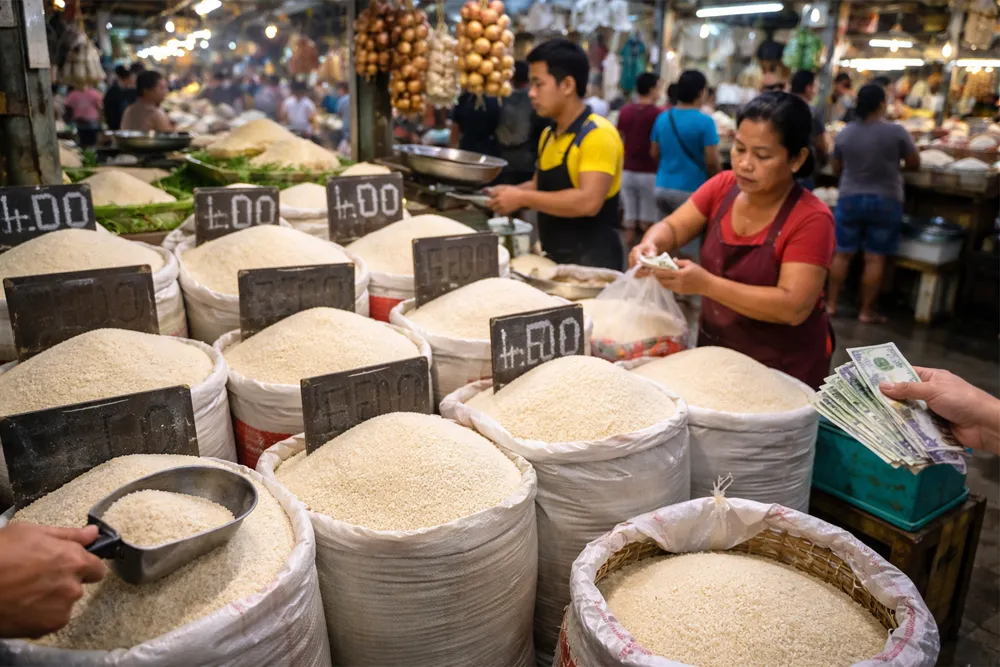
The Philippine government is going ahead with a plan to impose a 30-day price cap of 50 p per kilogram on imported rice in response to rising food costs driven by surging global fuel prices and logistical pressures. Interestingly, the proposal, put forward by the National Price Coordinating Council (NPCC) and endorsed by President Ferdinand Marcos Jr., intends to keep rice more affordable for consumers as retail prices have climbed in recent months. Under the plan, the price ceiling would apply to imported rice with 5% broken grain content while ensuring that traders cannot charge above the set limit during the 30‑day period. As per sources, Government officials mentioned that the measure aims to stabilize the rice market and prevent unreasonable price hikes, particularly as external factors such as rising freight and fuel costs, worsened by geopolitical tensions, including the Iran‑related conflict, continue to put upward pressure on food and transport expenses. Additionally, Agriculture authorities believe that without intervention, escalating rice costs could strain household budgets, especially for low‑income Filipinos who rely heavily on imported staples. The policy now awaits final approval by President Marcos, who has previously supported efforts to keep staple food prices in check, underscoring the importance of Philipinnes rice price cap on imported rice, the impact of rising fuel costs on food prices in philipinnes and government measures to control rice prices in philipinnes.
Rice Is Not Reform’: Experts Urge Nigeria to Rethink Food System Beyond Staple
Crops
Nigeria’s massive dependence on rice production and distribution as a solution to its ongoing food crisis is increasingly being condemned by experts as a narrow and short-term policy approach. While rice is a staple for millions of Nigerians, focusing on this crop on primary basis, neglects the deeper structural challenges facing the country’s food system. Experts appeal that true reform requires a holistic transformation of agriculture, including the promotion of diversified crops, enhanced nutritional outcomes, sustainable farming practices, and better access to markets for smallholder farmers. Overemphasis on rice not only risks undermining dietary diversity, but also fails to address long-term food security and resilience. Moreover, Millions of Nigerians are battling with rising food costs, hunger, and malnutrition, highlighting the limits of a policy focused solely on a single staple. Analysts stressed that government initiatives should look beyond immediate production metrics and consider the entire value chain, from farm-level production to processing, distribution, and consumption. Nigeria can strengthen its food system and provide more resilient, affordable, and healthy diets for its population by adopting a broader approach that integrates crop diversification, sustainable farming, and nutrition-sensitive policies. Policymakers are urged to prioritise strategies that create lasting solutions rather than temporary fixes, especially by addressing Nigeria food system reform beyond rice production, impact of overreliance on rice in Nigeria food crisis, and the importance of crop diversification for food security in Nigeria.
Share this article
Article Info
Read Time
4 min read
Published
30 Mar 2026
Author
Megha Bajaj
Category
Rice News