Top Rice News: China Rejects Three Indian Rice Shipments, 1,000 Metric Tons Of Rice To Sierra Leone, & Myanmar Rice Farmers’ Struggle
Today’s top rice news includes China’s rejection of three Indian rice shipments, India’s rice shipment of 1,000 metric tons to Sierra Leone and Myanmar rice farmers' struggle for diesel.
China Rejects Three Indian Rice Shipments Citing GMO Presence
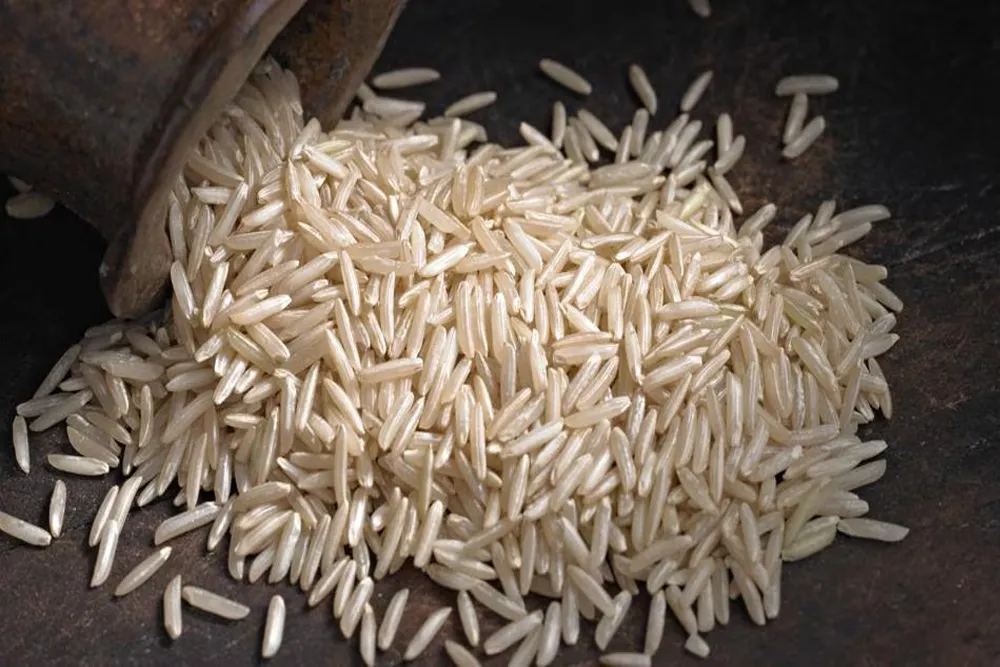
China has dismissed three shipments of Indian rice by alleging the presence of genetically modified organisms (GMOs) in imported Indian rice, which appears to be a calculated attempt to gain leverage in trade talks. Notably, the rejection emerges even though the non-basmati rice consignments were tested and cleared by a Chinese agency before they were shipped. According to industry sources, India has yet to permit the commercial cultivation of any GM food crops, with cotton remaining the only genetically modified crop authorised in the country. Moreover, the affected companies have taken up the matter with India's agriexport promotion body, APEDA, as well as the Indian Council of Agricultural Research. In addition, in its representation to ICAR, Nagpur-based Shriram Food Industry said Chinese buyers and authorities were demanding an official declaration confirming that rice grown in India is non-GMO, even though only non-GMO paddy is cultivated nationwide. The company urged that ICAR issue a general statement or declaration confirming this. The firm noted in its communication: "This would be extremely helpful for exporters like us as several shipments to China are currently facing difficulties during clearance due to the absence of such a document." Anup Goyal, Chairman and Managing Director of Shriram Food, mentioned that the India office of the China Certification & Inspection Group (CCIC), a Chinese state-owned company, had inspected and certified the shipments, yet Chinese customs rejected them upon arrival. Goyal cited that they had requested APEDA to investigate how these consignments were rejected on grounds of GMO presence after receiving prior clearance. Furthermore, Industry sources pointed out the irony in the situation, noting that China’s genetically modified rice production and exports remain significant. In 2006, the European Union even flagged concerns regarding GM contamination in Chinese rice exports.
India Sends 1,000 Metric Tons of Rice to Sierra Leone for School Meals
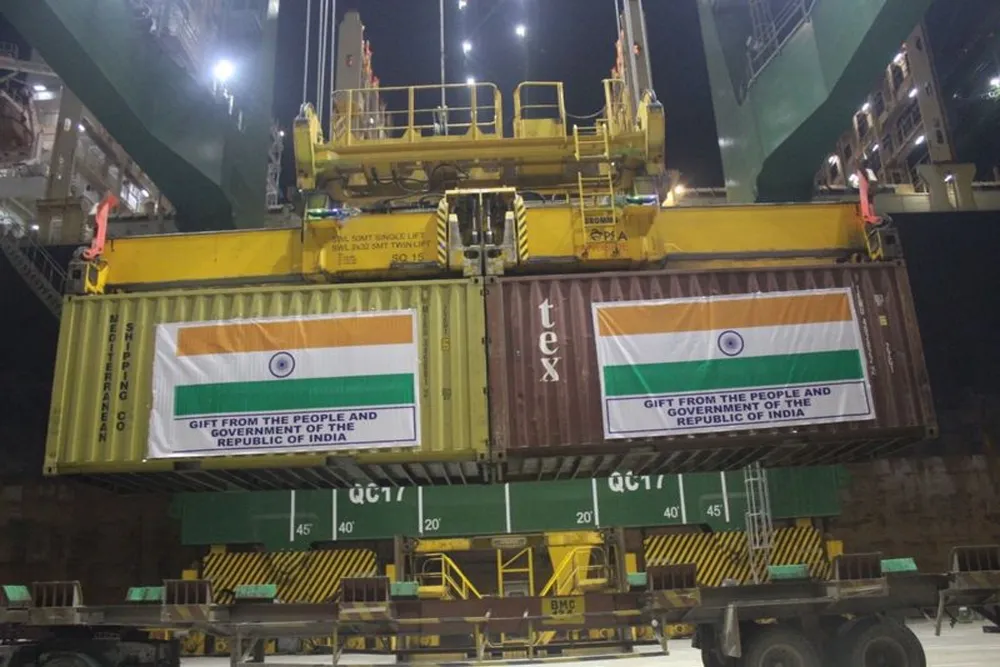
On Tuesday, March 26, Spokesperson of the External Affairs Ministry, Randhir Jaiswal, said that India has sent 1,000 metric tons of rice to support Sierra Leone's school midday meal scheme. Moreover, in an X post, MEA Spokesperson stated that the gesture keeps India's commitment to enhance cooperation with countries in the Global South. Global South partnership in action! India has sent 1,000 metric tons of rice today to support Sierra Leone's school midday meal scheme. The gesture is in keeping with India's commitment to enhance cooperation with countries in the Global South and to support the Sustainable Development Goals. In addition, in October last year, India dispatched a consignment of 15 Haemo-Dialysis Machines, along with Portable RO Units and Consumable Kits, from Mundra Port to Sierra Leone. Randhir Jaiswal said that the act highlights India's commitment to enhancing public health in Sierra Leone through development aid. Interestingly, India had pledged to continue supporting Sierra Leone in capacity building in various fields and building the development partnership further. India and Sierra Leone share friendly relations. There have been regular visits from both sides. The opening of India's Resident Mission in Freetown in 2020 has increased both countries' engagements. The India-Sierra Leone bilateral trade has registered USD 298 million during 2023-24, increased by three-fold growth in the last decade.
Myanmar Rice Farmers Struggle for Diesel as Iran Conflict Disrupts Supply
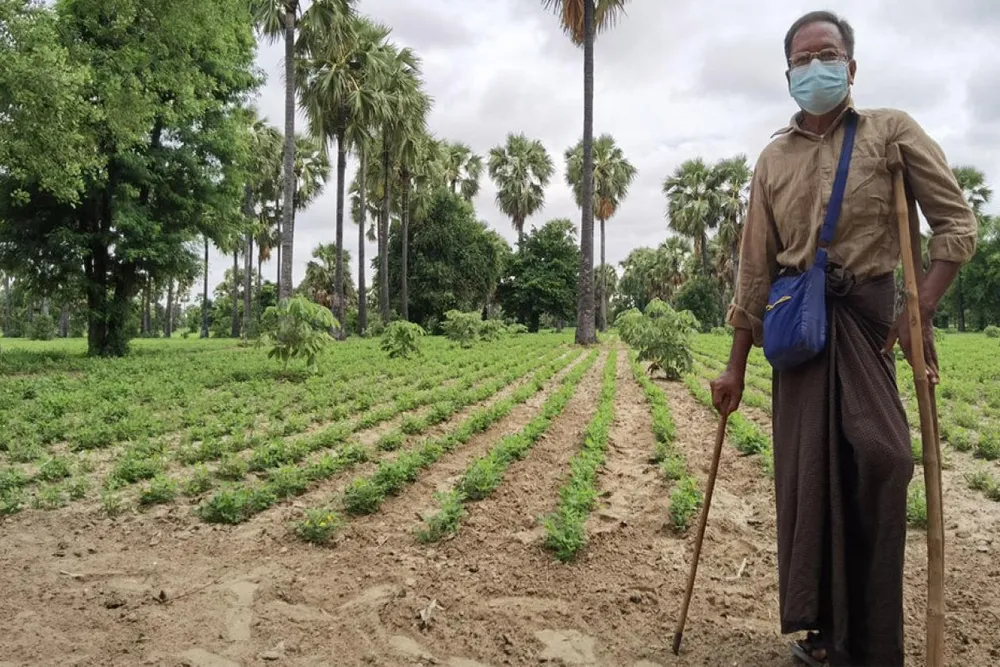
Rice farmers in Myanmar’s key agricultural regions are struggling with a severe diesel shortage affecting rice farming operations and skyrocketing fuel prices, a crisis largely triggered by disruptions in global fuel supplies due to the ongoing conflict in Iran. Significantly, Diesel is crucial for the functioning of tractors, irrigation pumps, and the transportation of goods, making it essential for the upcoming monsoon planting season. With supplies limited, farmers face the very real risk of delayed planting, which could significantly impact crop yields and exacerbate food insecurity in a country already struggling with economic instability and ongoing civil conflict. According to reports, farmers are queuing overnight at petrol stations just to secure small amounts of fuel, while many are being forced to turn to the black market, where prices are substantially higher. The junta’s rationing system, intended to allocate fuel more evenly, has proven inadequate in meeting the surging demand, leaving many rural households in a precarious position.
Apparently, the diesel shortage emerges at a time when fertilizer prices are rising sharply. It adds further strain to agricultural operations. The fuel, combined with challenges such as disrupted supply chains, labour shortages, and economic pressures, threatens to significantly disrupt Myanmar’s rice production and food security, potentially affecting domestic food security as well as regional rice exports in the months ahead.
Share this article
Article Info
Read Time
4 min read
Published
26 Mar 2026
Author
Megha Bajaj
Category
Rice News