Top Rice News: Barter Deal for Rice, Adequate stocks and U.S. Rice Milling Market Boom
Top rice news today includes the Barter deal for Rice with Iran to exchange for crude oil, Wheat and Rice stocks adequate amid the Middle East conflict and the boom observed in U.S. Rice Milling Market with strong growth opportunities
Punjab Rice Exporters Urge Barter Deal With Iran to Exchange Rice for Crude Oil
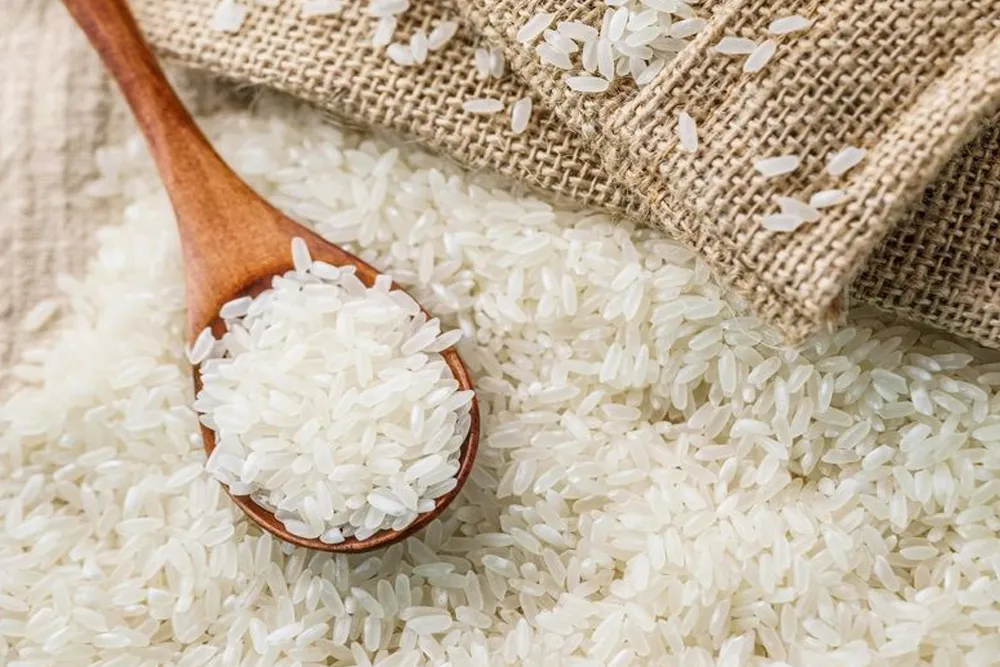
Amid the Middle East Conflict, the Punjab Rice Millers Exporters Association has appealed to the Centre to arrange a barter agreement with Iran for Indian rice and crude oil, under which Indian rice would be exchanged for Iranian crude oil. The association wrote a letter to Commerce and Industry Minister Piyush Goyal in which they mentioned that the barter deal would help relieve India's oil crisis and revive traditional trade ties with Iran. Not only this, but it would also allow farmers to clear stocks of Basmati rice from the earlier season before the new kharif sowing season in May. Since India continued purchasing Iranian oil following the US waiver of sanctions, Indian traders have been demanding that the Centre restore trade with Iran. Moreover, in the letter, the association added that rice exporters have shown a serious concern regarding Iran Strait of Hormuz export restrictions affecting India’s Basmati rice shipments as more than 80% of India's Basmati rice exports are destined for West Asian countries, along with shipments standing still at ports or on the high seas. This has caused massive financial losses to exporters. On Saturday, April 7, the Centre mentioned that Indian refiners are purchasing crude oil from Iran as part of their efforts to secure oil supplies amid disruptions in energy flows due to the ongoing war in West Asia, and that there are no payment-related difficulties in paying for Iranian oil. However, the Union Ministry of Petroleum and Natural Gas rejected these reports that an India-bound oil tanker carrying Iranian crude had rerouted mid-voyage to China due to payment issues.
India Says Wheat and Rice Stocks Adequate Amid West Asia Crisis; 1,777 Indians Evacuated from Iran
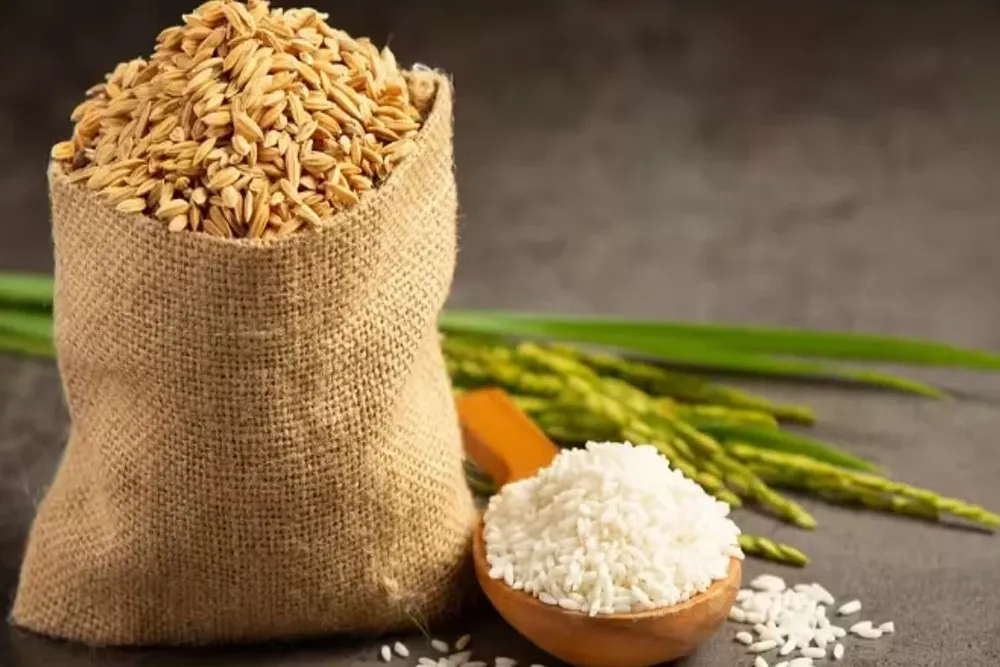
According to senior officials from various ministries, measures have been taken by the Centre in response to the ongoing Middle East conflict, including food security preparedness and evacuation efforts by the Indian government. Notably, the government has mentioned that it has sufficient stocks of wheat and rice to meet the requirements of the public distribution system (PDS) and any exigencies. Not only this, but it has also urged the state governments to crack down on hoarding and black marketing of essential food items. Interestingly, the National Food Security continues to support vulnerable populations, whereas the open market sales scheme is being used to stabilise prices through calibrated market releases. Moreover, states are also being supplied with subsidised rice distribution for vulnerable populations in India. Apart from these, India has so far evacuated 1,777 nationals from Iran via Armenia and Azerbaijan, including 895 students and 345 fishermen, many of whom have already returned home. In addition, 1545 evacuees crossed into Armenia and 234 into Azerbaijan out of the total evacuees. India also assisted two foreign nationals from Bangladesh and Sri Lanka, and expressed gratitude to Iran, Armenia and Azerbaijan for their support.
U.S. Rice Milling Market Booms Rapidly with Strong Growth Opportunities
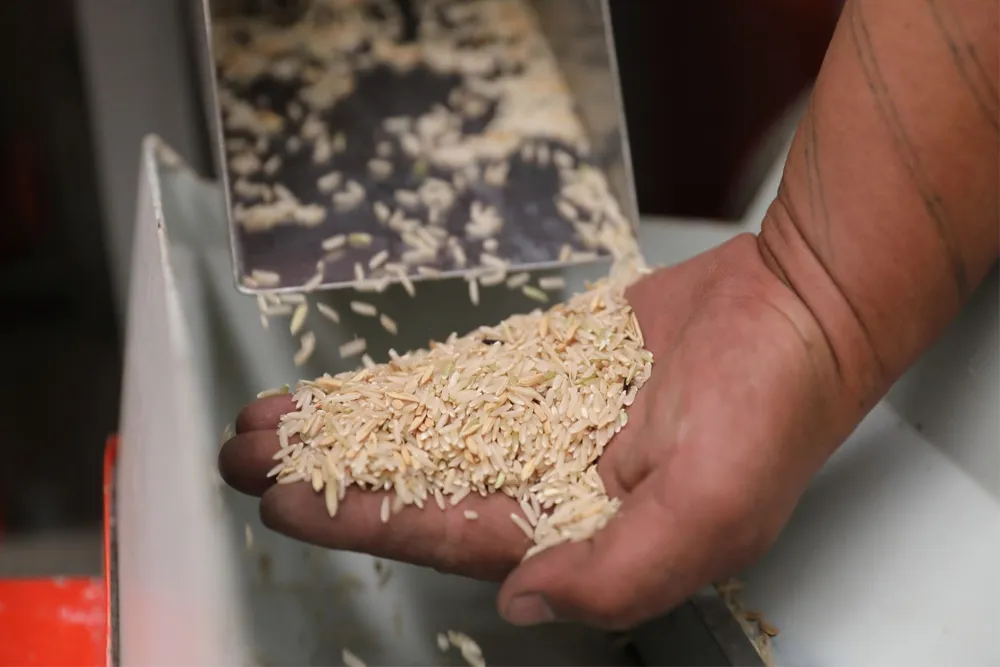
According to reports, the U.S. needles market is poised for strong growth as healthcare demand expands across medical and home‑care applications. Significant drivers include the rising prevalence of chronic diseases such as diabetes and cancer, expanding vaccination programs, and continual technological innovation in needle design and safety features. Consequently, market forecasts show robust growth with global needle and syringe markets expanding at mid‑to‑high single‑digit CAGRs through the late 2020s and early 2030s, supported by heightened demand for both disposable and advanced safety‑engineered products. In the United States specifically, the proliferation of insulin therapy, minimally invasive treatments, and routine diagnostic procedures bolsters needle uptake, making sure the region remains a dominant share contributor. Increasing healthcare spending and strong regulatory support for needle safety further underpin market momentum.
Share this article
Article Info
Read Time
4 min read
Published
7 Apr 2026
Author
Megha Bajaj
Category
Rice News