Top Rice News: Asian Prices Surge, Soil Fungi & EU Banned Pesticides
Top Rice news today highlights that rice prices in Asia have reached their highest level in 14 months, sparking concerns over food inflation and tightening supplies in major importing countries. There is something unique about rice production in today’s top rice news. Farmers in Northern India have conducted an experiment and found that soil fungi could improve growth in rice plants. The experiment is a kind of pathway to reduce farmers' reliance on synthetic fertilisers and reduce greenhouse gas emissions in rice farming. Furthermore, an independent organisation has raised an alarm after detecting pesticide residues banned in the European Union in dozens of food products sold in numerous European countries.
Asian Rice Prices Hit 14-Month High Amid Harvest and Monsoon Concerns
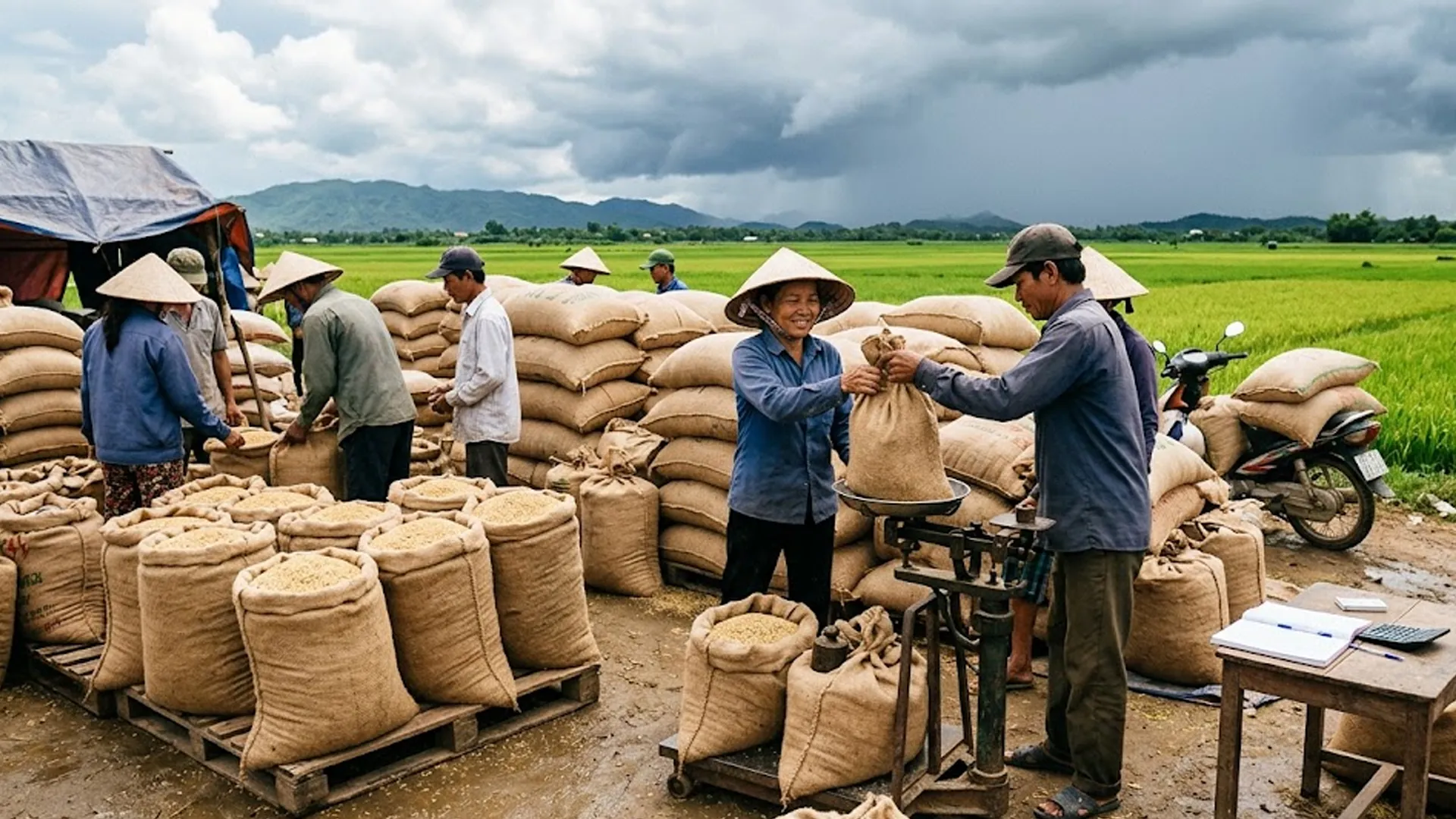
Rice prices in Asia have reached to their highest level in 14 months. It has sparked concerns related to food inflation and tightening supplies in major importing countries. The increase is being led by fears of weaker harvests, rising farming costs, and uncertain weather conditions in the key rice-producing regions. The Thai Rice Exporters Association stated that prices for Thai 5% broken white rice climbed to $446 per ton on Wednesday, the highest level recorded since February 2025. Moreover, this marks the third straight week of price rise, indicating growing anxiety in global agricultural markets. India, the world’s largest rice exporter, is also facing concerns over a weaker-than-average monsoon due to the expected effect of El Niño weather conditions. Because much of India’s rice production depends on annual rainfall. Notably, any disruption could significantly affect global supply. Rice futures in Chicago have also risen to their highest level since August, indicating broader market worries. Economists warn that a continued surge in rice prices may push food inflation higher in Asia, especially in countries where rice remains a daily staple food.
India: Soil Fungi Trials Boost Rice Yields and Cut Fertiliser Dependence
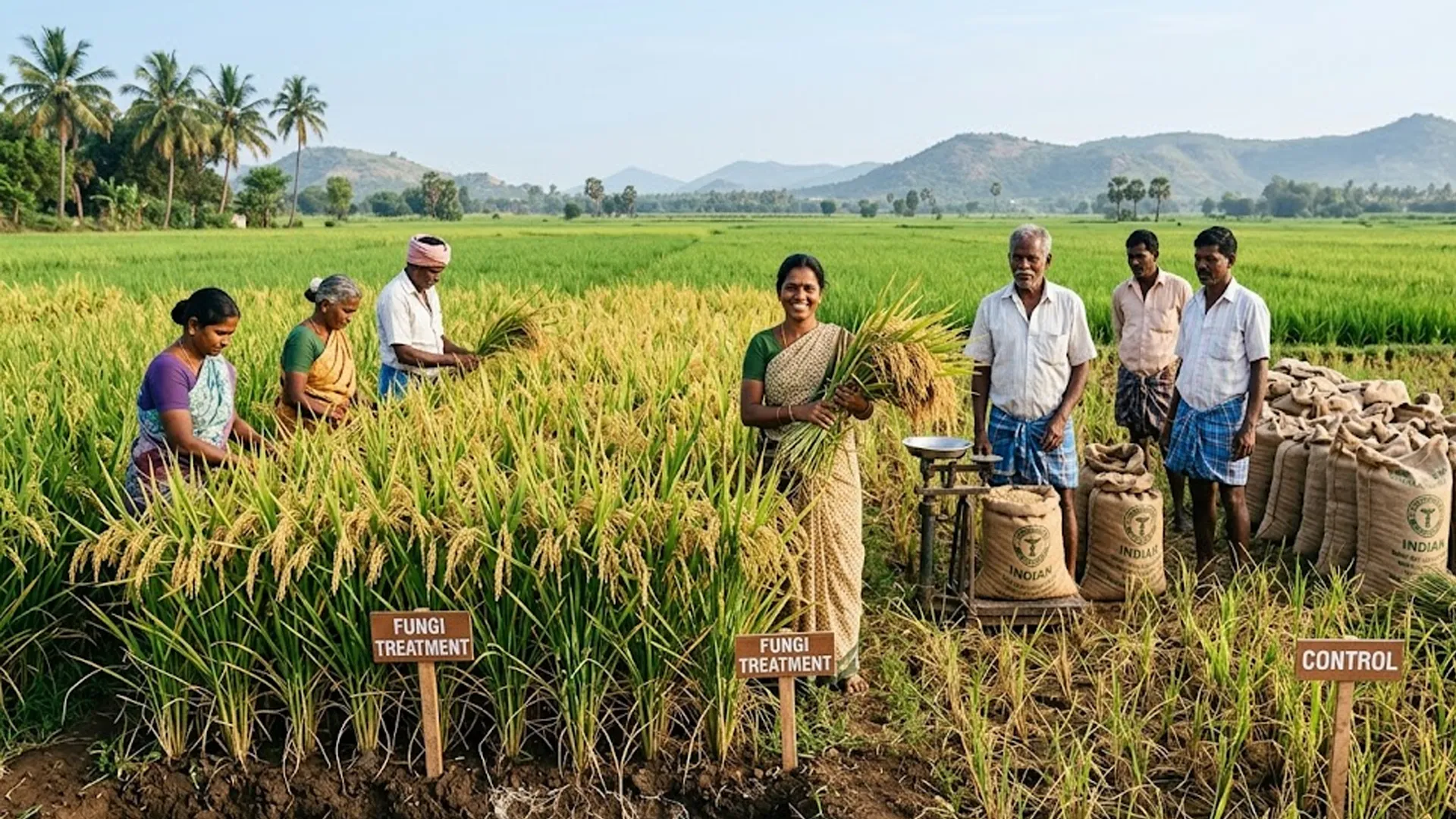
Field trials in India have projected that bio-fertilisers are naturally occurring soil fungi that improve growth in rice plants. It can be considered a pathway to reduce farmers' reliance on synthetic fertilisers and reduce greenhouse gas emissions in rice farming. The trials have been conducted by researchers at the University of Cambridge in partnership with the U.K. rice brand Tilda and basmati rice farmers in India. They have tested fungi-based bio-fertilisers under real farming conditions. The report released by Tilda stated that trial results display a yield boost of between 5% and 15% in basmati rice grown using synthetic and bio-fertilisers together when compared with rice grown using synthetic fertilisers alone. The trials took place on rice farms across northern India that use a water-saving irrigation technique called Alternate Wetting and Drying, developed by the International Rice Research Institute. Rather than the traditional practice of continuously flooded paddy fields, the fields are allowed to dry intermittently before being re-flooded, with farmers using a simple tube inserted into the soil to determine when re-flooding is needed. On the contrary, growing rice using synthetic fertilisers leads to emissions of nitrous oxide, a potent greenhouse gas, which contributes 12% of all agricultural emissions. Reducing the amount of synthetic fertiliser used in farming will also benefit soil health by allowing an increased microbial diversity in the soil.
EU-Banned Pesticides Found in Rice, Tea, and Spices Across Europe
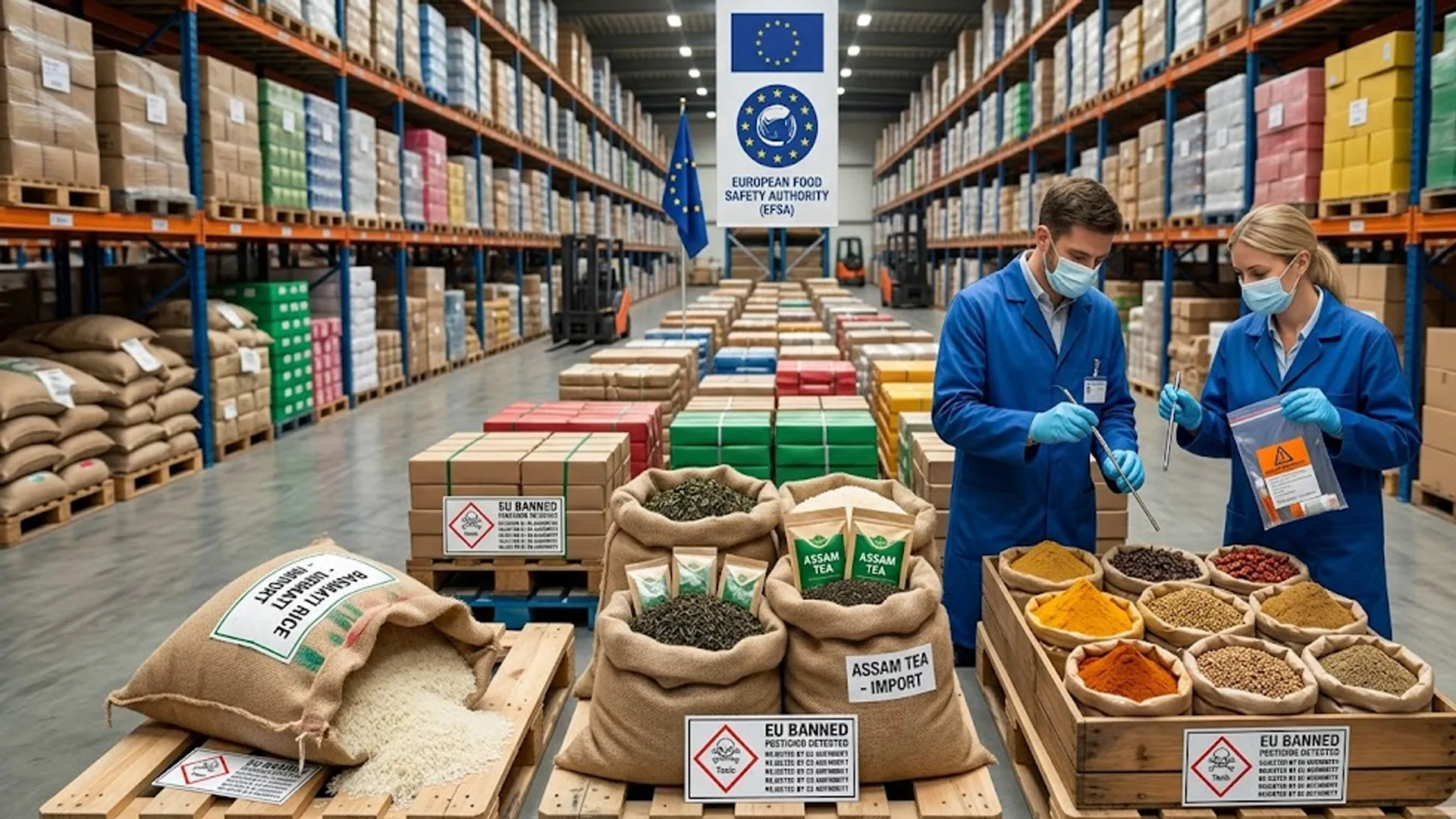
Consumer rights group Foodwatch, an independent organisation, has raised an alarm after detecting pesticide residues banned in the European Union in dozens of food products sold in several European countries. The organization stated that laboratory tests conducted on 64 food items purchased in France, Germany, Austria, and the Netherlands revealed that 45 products contained traces of non-approved pesticides in EU.
The affected products included commonly consumed items such as rice, tea, paprika, cumin, and curry powder. Foodwatch stated that 14 of the tested products exceeded the EU’s legal safety limits for pesticide residues, increasing concerns over food safety and consumer health. The group warned that some of these chemicals have been linked to serious environmental and health risks, which is why they were previously banned within the bloc. Foodwatch described the issue as a toxic boomerang, arguing that pesticides prohibited in Europe are still being manufactured and exported by European companies to other countries. These chemicals are then allegedly used in agricultural production abroad before re-entering European markets through imported food products.
The organisation condemned what it sees as loopholes in EU trade and food safety regulations, saying current rules fail to prevent banned substances from returning to consumers through imports. Foodwatch is now calling on European authorities to tighten import controls and ban the export of pesticides that are not approved for use within the European Union itself.
Share this article
Article Info
Read Time
4 min read
Published
21 May 2026
Author
Megha Bajaj
Category
Rice News