Top Rice News: Thai exports, Bangladesh Shortfall & Mississippi water-saving methods
Top rice news today highlights how Thai rice exports have been affected due to Middle East Conflict, how rice production shortfalls begin in Bangladesh due to flooding and how Mississippi farmers change their track for growing rice, shifting themselves from the alternate wetting drying (AWD) method to water saving methods.
Thailand’s rice exports hit by Middle East conflict, risk missing 2026 target
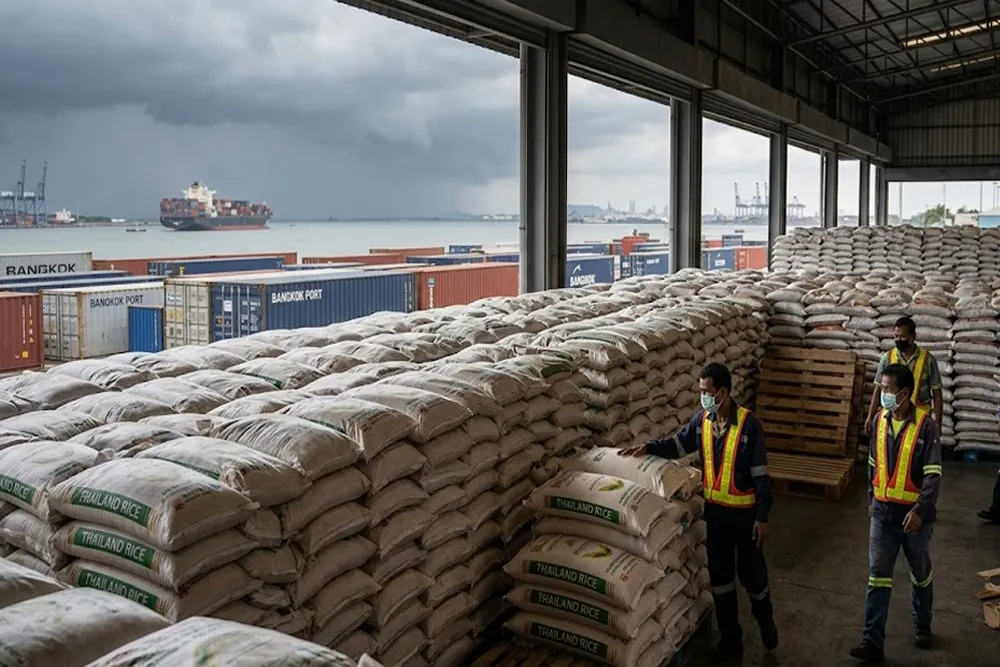
Thailand’s rice exports is experiencing a major setback due to the geopolitical tensions linked to the Middle East Conflict, which has disrupted key trade flows. Notably, the impact has been particularly severe in Iraq, Thailand’s largest rice market in the region, where shipments have nearly come to a halt. Interestingly, over the past three months, the country has lost more than 200,000 tonnes of rice exports, raising serious concerns for traders, farmers, and policymakers. The disruption is driven not only by weakened demand but also by surging logistics costs and marine insurance premiums. Shipping through conflict-affected routes has become riskier and more expensive, forcing exporters to delay shipments or pass on higher costs to buyers. This has decreased the price competitiveness of Thai rice in global markets, especially in the Middle East. Consequently, Thailand is now at risk of missing its 2026 rice export target of 7 million tonnes. Current estimates suggest exports could fall to around 6.6 million tonnes, highlighting the growing strain on the country’s agricultural exports and overall trade balance.
Bangladesh at Risk: Rice Shortfall Due to Flooding
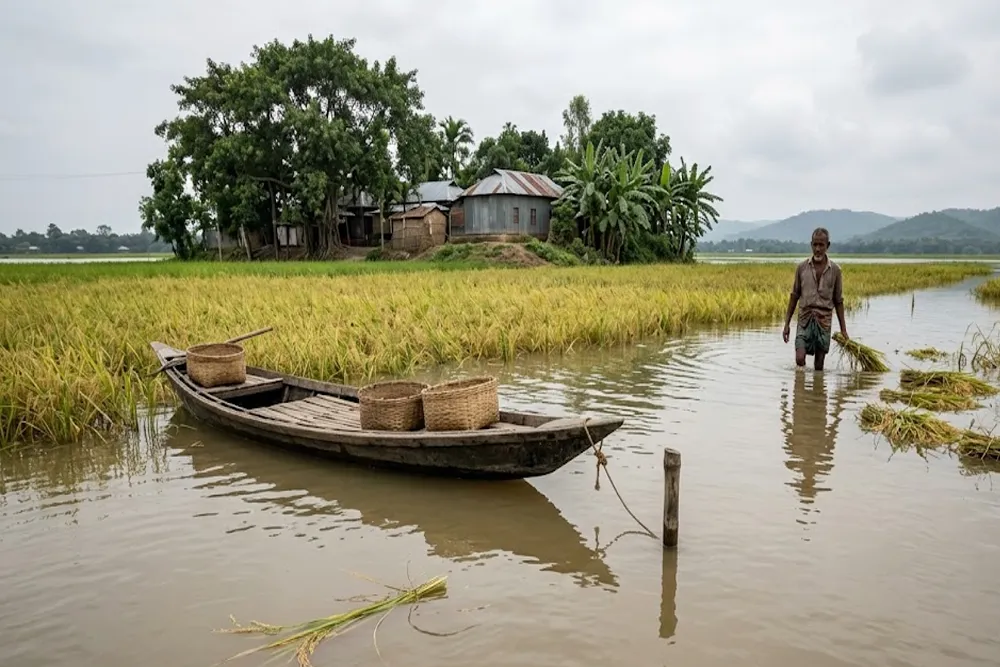
Bangladesh is confronting a serious threat to its food security as widespread flooding in the northeastern haor wetlands has caused a significant rice production shortfall. According to early estimates, the country may lose over 200,000 metric tons of rice due to heavy rains and prolonged waterlogging during a critical phase of cultivation. The worst affected is the Boro crop, which is the country’s largest rice harvest and a cornerstone of its agricultural economy. The floods have submerged tens of thousands of hectares of farmland, leaving farmers struggling to salvage what remains of their crops. Many fields remain underwater, making harvesting nearly impossible and increasing the risk of complete crop failure. This has raised alarms about potential disruptions to domestic rice supply and rising food prices in the coming months. In addition to flooding, farmers are also grappling with labour shortages, as many workers are unable to access inundated areas. Even where harvesting is possible, the lack of proper drying facilities due to continuous rainfall has created further complications. Wet grains are more prone to spoilage, reducing both the quality and market value of the harvest. Agricultural experts warn that the combined impact of climate change, erratic rainfall, and inadequate infrastructure is making Bangladesh increasingly vulnerable to such shocks. While the government may consider importing rice or releasing buffer stocks, the situation underscores the urgent need for improved disaster management, climate resilience, and support systems for farmers to stabilize the country’s food production in the long term.
Mississippi farmers shift to water-saving methods to grow rice
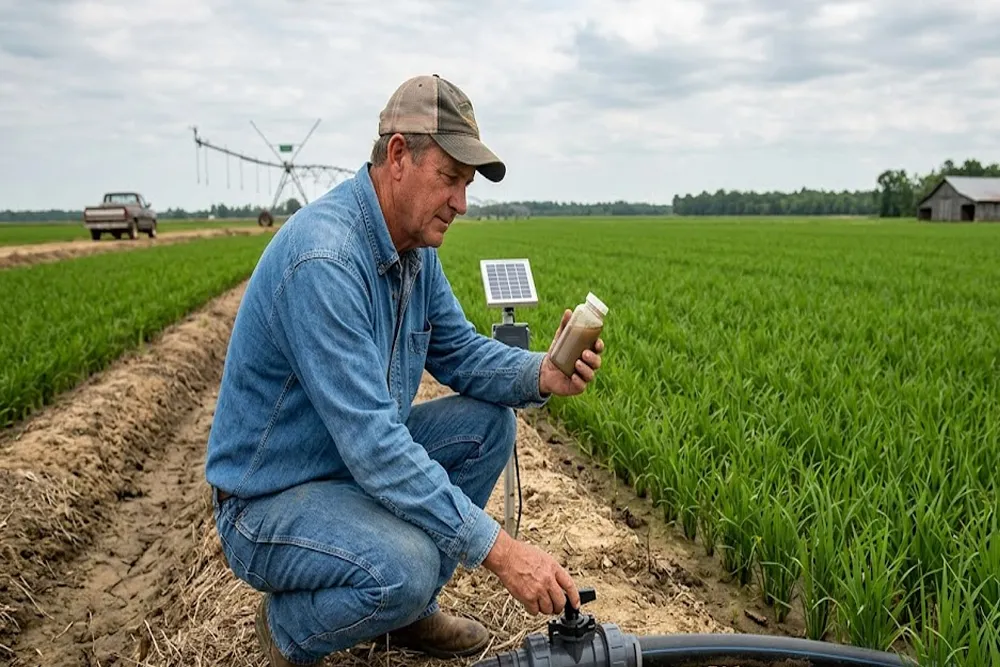
Rice farmers in Mississippi are increasingly embracing water-saving agriculture as they shift away from traditional flooded field practices toward more sustainable methods. Faced with declining water resources, rising input costs, and tighter profit margins, growers are adopting innovative techniques such as Alternate Wetting and Drying (AWD) to improve efficiency without sacrificing productivity. Unlike conventional rice farming, which relies on continuously flooded paddies, AWD allows fields to dry out at intervals before being re-irrigated. This method can reduce water usage by up to 39%, while still maintaining comparable crop yields. The approach not only conserves water but also helps lower pumping costs, making it an attractive option for farmers dealing with increasing financial pressures. In addition to AWD, many producers are turning to advanced precision agriculture tools. Technologies such as soil moisture sensors, automated irrigation systems, and remote-controlled water management enable farmers to apply water only when necessary. These innovations improve resource efficiency, reduce waste, and enhance overall farm management.Researchers and agricultural experts are supporting this transition by providing data-driven insights and field trials that demonstrate the effectiveness of these practices. The shift also aligns with broader efforts to promote sustainable farming and reduce agriculture’s environmental impact.As climate variability continues to challenge traditional farming methods, Mississippi’s rice growers are setting an example of how innovation and adaptability can secure long-term productivity. Their move toward smart irrigation and conservation-focused practices highlights a growing trend in modern agriculture, producing more with fewer resources while safeguarding the environment.
Share this article
Article Info
Read Time
4 min read
Published
6 May 2026
Author
Megha Bajaj
Category
Rice News