Top Rice News: Purchases Up, Biofortified Varieties & Indonesia’s Output
Top rice news today highlights rice purchases of India nearly 50 million tonnes, up 6% from a year ago, Bio-fortified varieties to boost nutrition and rise in Indonesia‘s rice output
India’s rice purchase reaches nearly 50 million tonnes, up 6% from a year ago
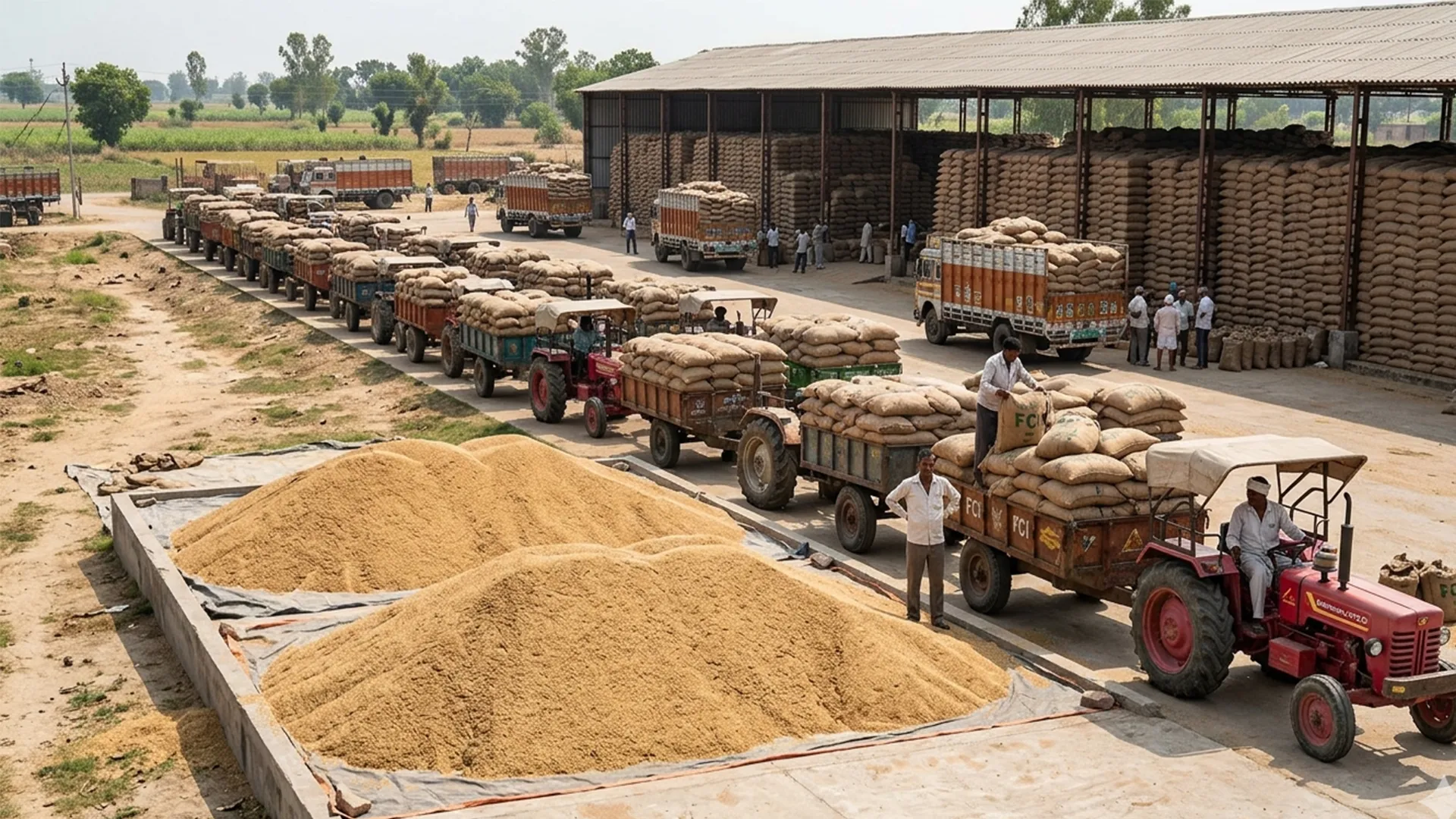
The Indian government's rice procurement for the official reserves during the October 2025-April 2026 period has climbed to around 50 million tonnes (mt), including 1.21 million tonnes from the winter-grown crop. With over 1.4 mt in April, the procurement is up 6 per cent from the year-ago period. This high procurement may force the government to dispose of it through an aggressive sales policy to ethanol distilleries, states, and the open market. The government has fixed a target to purchase 56.66 mt of rice during the 2025-26 season (October-September) - including 48.7 mt from the kharif-grown crop and 7.96 mt from the Rabi season. Moreover, the aggregate procurement in 2024-25 from kharif and rabi crops was 54.52 mt in terms of rice. The official data stated the actual procurement in terms of rice was 49.86 mt until April 30, against 47.02 mt in the corresponding period of the previous season. In 2025-26, the government sold a record 10.8 mt rice, including 5.2 mt to distilleries for ethanol production, from official reserves, as against a total 4.53 mt in 2024-25 .
Iron- and Zinc-Rich Rice Developed by Dumariyaganj Scientist to Boost Nutrition
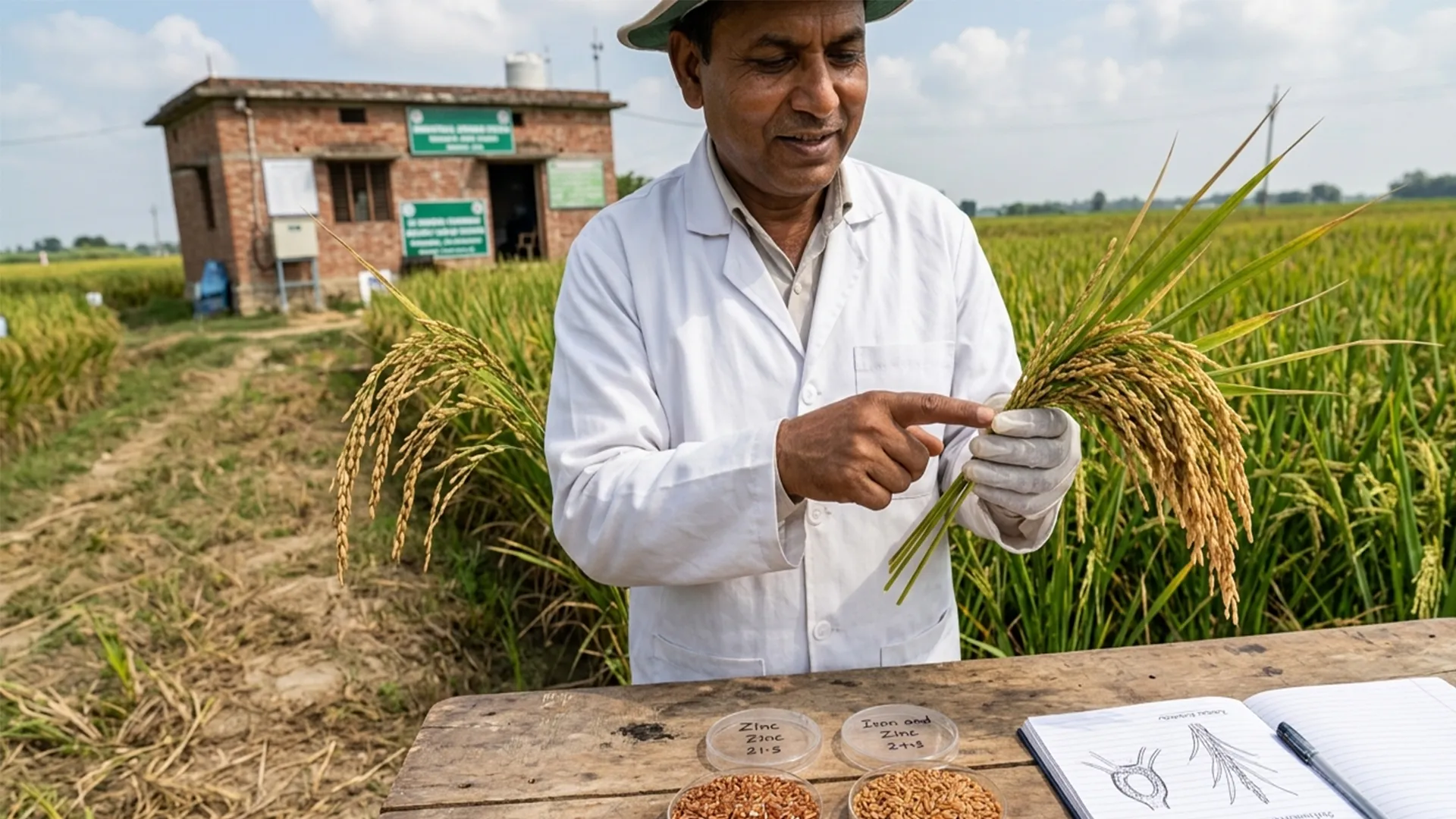
On Monday, May 4, an agricultural scientist at the Bhanwapur Area Krishi Vigyan Kendra, Sohna, stated that if farmers cultivate biofortified rice varieties, it will supplement the human diet with essential nutrients. He added that this will help in improving health and reduce malnutrition. According to him, biofortified rice is an excellent source of minerals like iron and zinc. These minerals play a vital role in treating anemia and other health problems, thereby improving human health. Indian Council of Agricultural Research (ICAR) institutes and various agricultural universities are working relentlessly on the development of biofortified rice varieties. Some of the most prominent biofortified rice varieties include CR Dhan 310, CR Dhan 311, and CR Dhan 315. These varieties mature in 125–130 days and yield 45–50 quintals per hectare. In addition, varieties like DRR Dhan 45, DRR Dhan 48 and DRR Dhan 49 are also available, which mature in 130-135 days and yield 48-52 quintals per hectare. These varieties have higher zinc content of 22-25 ppm and protein than the common varieties, whereas the common varieties contain 12-16 ppm zinc. Interestingly, Zinc is a highly beneficial micronutrient for human health. Zinco Rice MS is another variety which has zinc content up to 27.4 ppm.
Indonesia rice output in January to June is seen rising 0.26% year-on-year
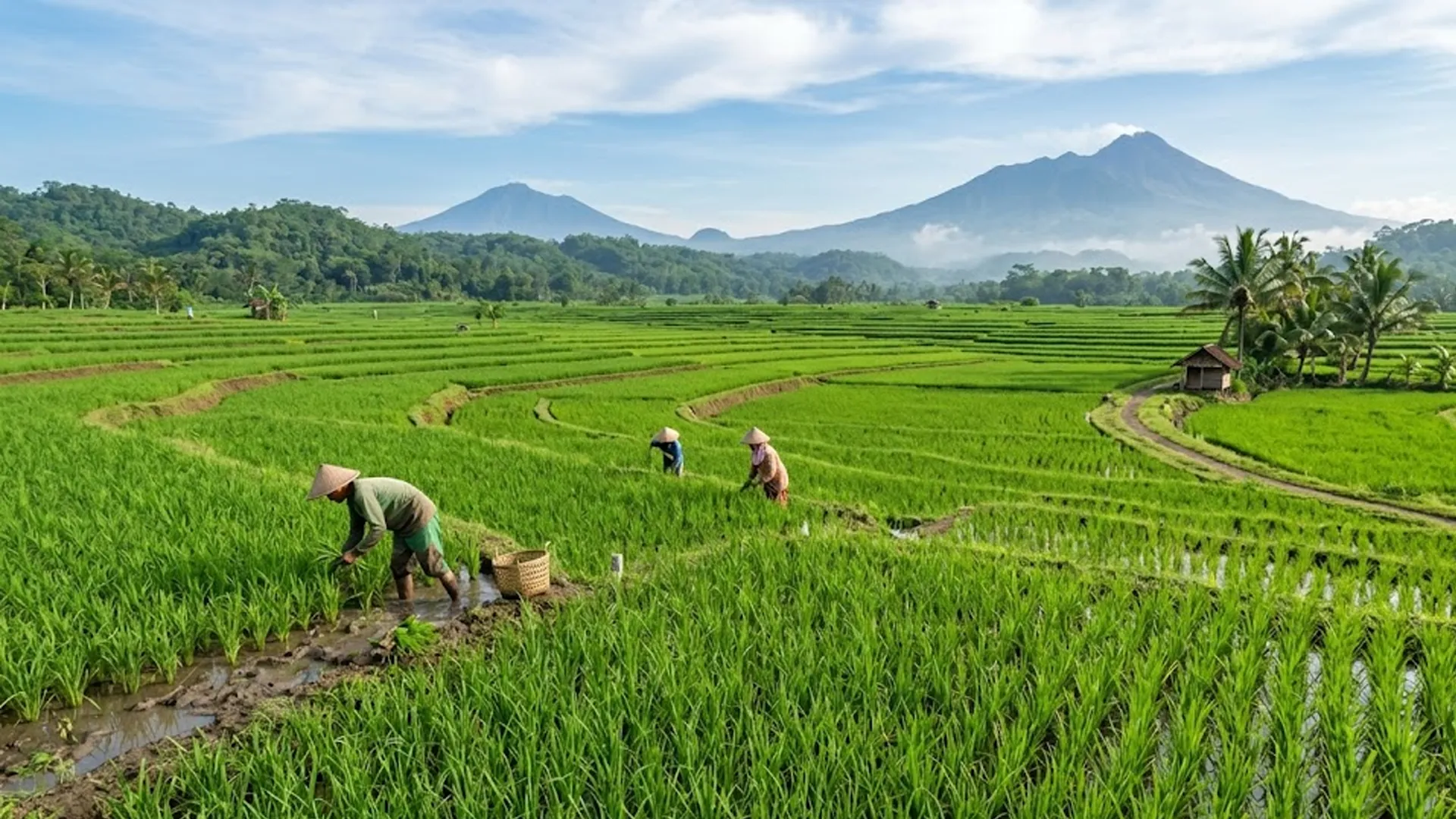
Indonesia’s rice production outlook for 2026 reflects a mixed picture. It presents both resilience and emerging climate risks. The country’s statistics bureau stated that rice output for the January–June period is anticipated to climb to 19.31 million metric tons. It marks a modest 0.26% increase compared to the same period last year. This marginal growth suggests that early-season harvests have remained relatively stable despite shifting weather conditions. Nevertheless, a closer look at the quarterly data reveals underlying concerns. Rice production in the April–June period is projected to drop sharply by 8.3% year-on-year to 9.61 million tons. This decrease underscores the growing effect of adverse climatic factors, particularly as the season progresses. The main catalyst behind this expected drop is the deepening El Niño phenomenon, which began affecting the region in April. El Niño typically brings drier-than-normal conditions to Southeast Asia, and Indonesia is already reviving for a longer and more severe dry season in 2026. Reduced rainfall can disturb planting cycles, lower soil moisture, and ultimately impact crop yields, especially in rain-fed agricultural regions. The contrasting trends between the first and second quarters signals that while early harvests benefited from favorable conditions, the coming months may pose significant challenges for farmers. Lower output in the second quarter could tighten domestic supply and potentially influence Indonesia’s rice import strategy later in the year. Undoubtedly, Indonesia’s total rice production remains stable in the first half of the year, the risks related to climate variability highlights the need for stronger agricultural planning, irrigation management, and climate-resilient farming practices.
Share this article
Article Info
Read Time
4 min read
Published
5 May 2026
Author
Megha Bajaj
Category
Rice News