Top Rice News: Prices Drop, War Impact Grows & Drone Farming Takes Off
Top rice news today states about a drop in Imported Samba Rice Prices, using drone technology in rice production, and war impact threatens Myanmar’s rice harvest by disrupting fertiliser supply.
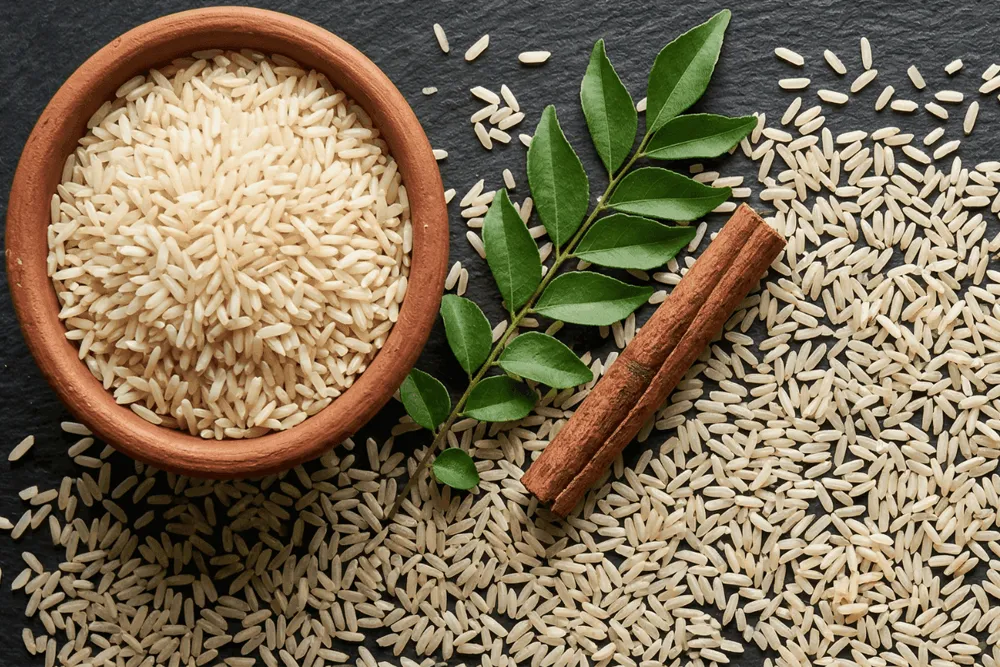 Imported Samba Rice Prices Drop in Colombo Pettah Market
Prices of imported Samba rice have reduced significantly at Colombo’s Pettah rice market following a fresh wave of imports, bringing relief to consumers amid earlier price pressures. Significantly, the drop in prices comes after increased rice shipments, particularly from India, which have helped ease supply constraints in the local market. Ganesh Vinayagasundaram, Chairman of the Essential Food Commodities Importers & Traders Association, stated that nearly 27k metric tonnes of rice have been imported so far. These imports have played a major role in stabilising the market and improving availability, especially for popular rice varieties such as Ponni Samba and Kiri Samba. Before the arrival of these imports, rice prices had surged due to limited supply and strong demand. Earlier, a kilogram of Ponni Samba was priced at Rs. 280, making it less affordable for many households. However, with the improved supply situation, prices have now dropped to a range of Rs. 225 to Rs. 235 per kilogram. A similar trend has been observed in the case of Kiri Samba rice. Earlier sold at around Rs. 325 per kilogram, its price has now declined sharply to between Rs. 240 and Rs. 255. This reduction reflects the positive impact of increased imports on domestic pricing. Market analysts believe that continued imports could further stabilise prices in the coming weeks. The move is expected to not only support consumers but also prevent excessive price volatility. Overall, the development highlights the significance of timely imports in managing food supply and ensuring affordability in Sri Lanka’s rice market.
DA trains Apayao farmers on drone technology to boost rice production
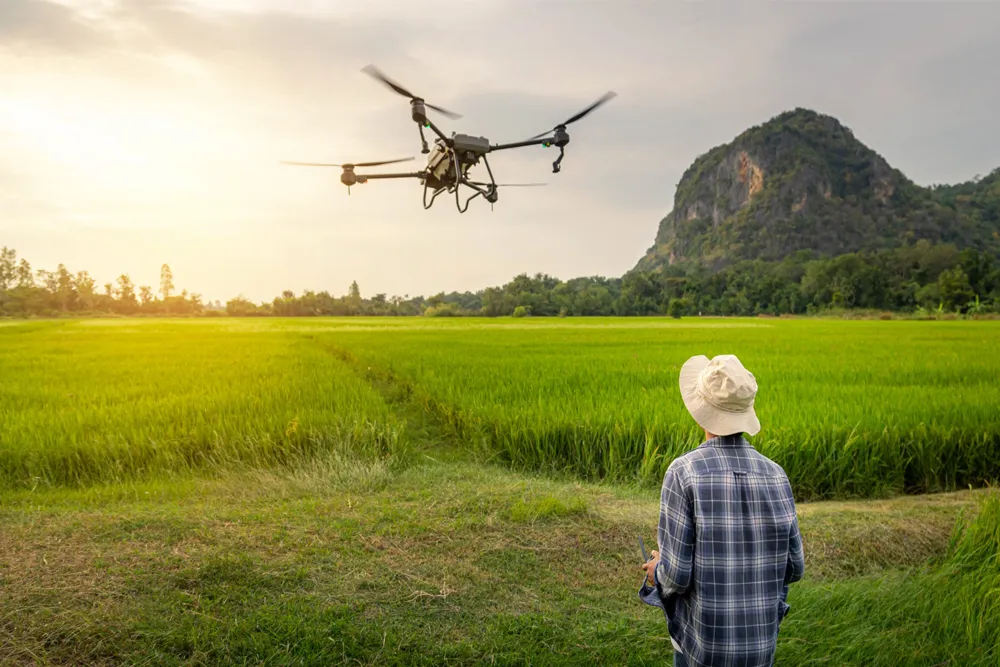
The Department of Agriculture (DA) continues to make efforts to modernise rice farming, training farmers in Apayao on drone technology to improve efficiency, reduce costs, and increase production. Farmers in Barangay Emiliana, Santa Marcela, took part in a hands-on demonstration displaying drone-assisted direct seeding, field mapping, and automated application of fertilisers and pesticides on March 26, 2026. Participants in this activity include 64 farmer-cooperators in said barangay with nearly 120 hectares of rice fields. The farmers are beneficiaries of the DA's Drones4Rice project, an initiative under the National Rice Program that promotes precision agriculture through the use of drones. Local farmers were initially hesitant to adopt the technology during the first techno-demonstration, but said their interest grew as farmers observe positive results from earlier demonstrations.
He noted that drones help reduce production costs, lessen labour requirements, speed up farm operations, and help optimise input use compared to traditional methods. Meanwhile, National Rice Program consultant Dr Andrew Villacorta encouraged the participants to promote the technology within their communities and consider value-adding strategies to increase income instead of relying solely on palay sales. During the activity, farmers also received guidance on proper fertiliser use based on soil analysis and local conditions to ensure efficient input use and better yields. The initiative is part of the government's broader effort to modernise agriculture and strengthen food security under President Ferdinand R. Marcos Jr.'s development agenda.
Iran war disrupts fertiliser supply, threatens Myanmar’s rice harvest
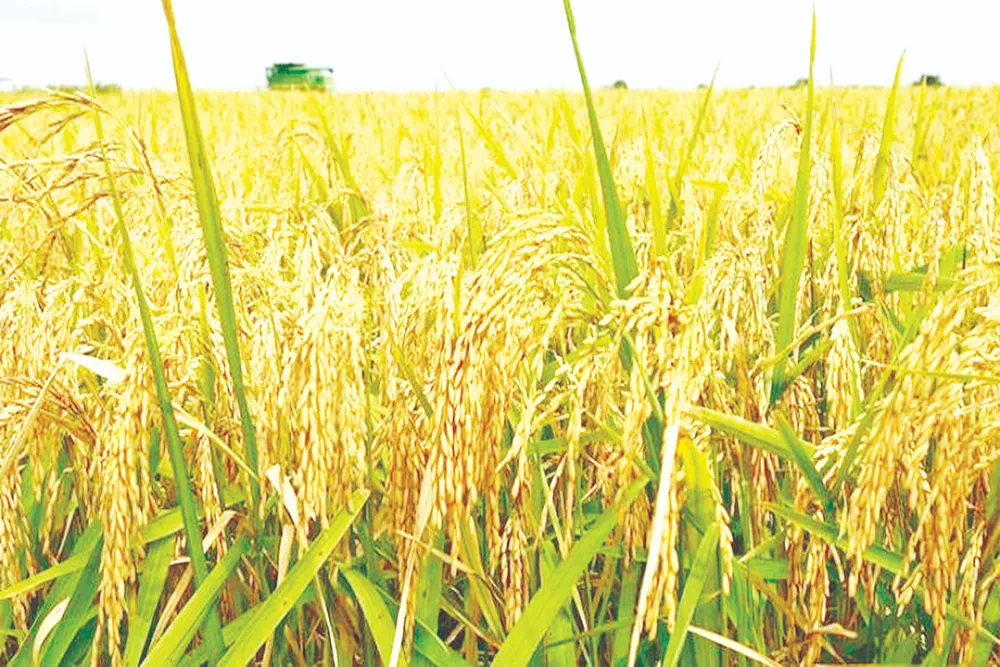
The Iran war is impacting Myanmar’s rice harvesting. Moreover, fertiliser shortages and soaring prices threaten rice and food production. The country relies on imports from China, the Middle East and beyond, but with the Strait of Hormuz, a significant trade route, blocked by the conflict, shipments have dropped, and prices have increased, as distributors and farmers say. In addition, Shipping lines are not available, and deliveries now take 40 to 50 days to arrive. Notably, larger companies can still secure supplies if they pay a premium, but logistics have grown far more complicated than before. Interestingly, Middle Eastern Fertiliser is cheaper and of higher quality than China’s. In 2025-26, Myanmar plans to import 1.6 million tons of urea and compound fertiliser. Overall, a million tons have already arrived by February, per the Junta’s Ministry of Co-operatives and Rural Development. Regime preference prices exist only on paper, he added. The Central Bank sells importers the foreign currency they need and sets domestic prices, but importers state that they can’t get enough currency or licenses.
Share this article
Article Info
Read Time
4 min read
Published
25 Apr 2026
Author
Megha Bajaj
Category
Rice News