Top Rice News: Export Deal, Artwork, Hybrid Seeds, and Food Prices
Top rice news today highlights Indonesia’s rice export deal with Malaysia, Unique rice art, Hybrid Rice Seeds distribution by Philippines, and higher fertilizer prices due to middle east conflict.
Indonesia Nears 200,000-Ton Rice Export Deal With Malaysia
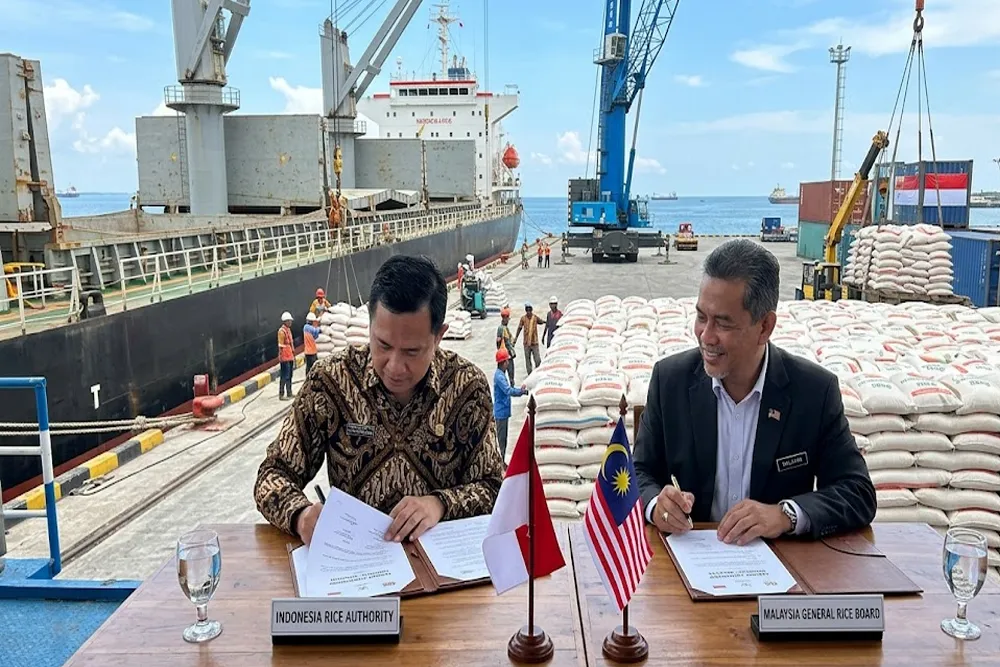
On Thursday, May 7, an official said that Indonesia is negotiating a potential export of 200,000 tons of rice to Malaysia in a deal estimated to be worth nearly Rp 2 trillion ($115.6 million). Ahmad Rizal Ramdhani, president director of state logistics agency Bulog, said negotiations with Malaysia have entered a second round. In Jakarta, Rizal said: “We have entered the second stage of negotiations. If we calculate 200,000 tons at Rp 10,000 per kilogram, the value would be around Rp 2 trillion.” Moreover, he added that several other countries, such as Thailand and Vietnam, have also expressed interest in importing Indonesian rice. But the proposed export agreement with Malaysia is one of Indonesia’s main priorities. Previously, Indonesia exported 2,280 tons of premium rice worth around Rp 38 billion to Saudi Arabia to help meet the needs of approximately 215,000 Indonesian Hajj pilgrims. Furthermore, Agriculture Minister Andi Amran Sulaiman has stated that the export activity demonstrates the strength of Indonesia’s rice production and stockpiles. He said, "This is a positive momentum because our production is increasing. That is what we are exporting. Also, we have explored opportunities with several countries, including Saudi Arabia, Papua New Guinea, Malaysia, and the Philippines.
Minnesota Sports Teams Honoured Through Unique Rice Art
A Minnesota-based artist has gained traction for an innovative and highly detailed approach to sports-inspired artwork by using colored rice as the primary medium. The artist carefully arranges grains of dyed rice to form intricate portraits and dynamic scenes celebrating local sports teams, capturing both motion and emotion with surprising precision. Interestingly, reflects a deep appreciation for the state’s strong sporting culture, featuring athletes, team logos, and iconic game moments recreated in vibrant colour palettes. The process requires significant patience, as the artist carefully sorts, dyes, and places thousands of rice grains to achieve shading, texture, and depth that resemble traditional painting techniques. In addition, Fans and art enthusiasts have been especially drawn to the uniqueness of the medium, noting how it transforms an everyday food item into a striking visual experience. The artwork not only highlights local pride in Minnesota’s sports legacy but also demonstrates how unconventional materials can be used to push creative boundaries. Undoubtedly, the artist has created a distinctive style that stands out in both the sports and art communities. Exhibitions and online showcases of the work have sparked widespread appreciation, with viewers praising its originality, detail, and emotional connection to beloved teams.
Philippines Distributes Hybrid Rice Seeds to Boost Farm Yields in Davao Region
The Philippines’ Department of Agriculture (Philippines) has launched a hybrid rice seed caravan in the Davao Region. It reached around 3,000 farmers as part of its continuing efforts to modernise the country’s rice sector. The initiative is aimed at bringing high-quality hybrid seeds directly to farming communities before the planting season. Not only this, but it also ensures timely access and reduces distribution barriers in remote agricultural areas.
In addition to seed distribution, agricultural technicians are offering guidance on proper cultivation practices, including planting density, fertiliser management, and water optimisation. The hybrid varieties being introduced are selected for higher production potential, improved pest resistance, and better adaptability to changing climate conditions, which are increasingly impacting traditional rice farming systems in the region. According to the officials from the Department of Agriculture, the program is expected to boost harvest output per hectare, helping enhance national rice self-sufficiency goals. By increasing productivity, the initiative aims to boost rural incomes and stabilise market supply. Farmers are encouraged to adopt these improved seeds as part of broader efforts to enhance long-term food security and agricultural sustainability. Several farmers have welcomed the caravan, noting that access to affordable and reliable seed varieties can decrease production risks and costs. The program is also part of a wider government push to support innovation in agriculture, ensuring that smallholder farmers remain competitive while contributing to the country’s overall food resilience strategy in the coming seasons.
Middle East Tensions Drive Fertiliser Prices Higher, Pressuring Rice Farmers Across Asia
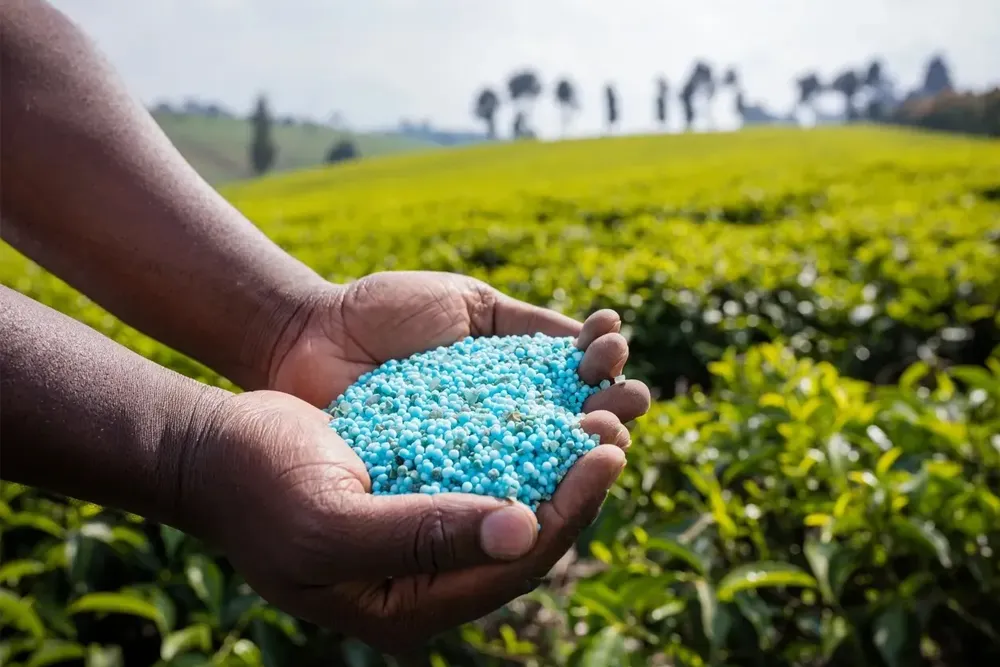
Rising tensions due to the Middle East Conflict have begun to ripple far beyond the region, disrupting global fertilizer supply chains and putting pressure on farmers across Asia. The Strait of Hormuz, a crucial shipping route for more than one-third of global urea exports, has seen significant disruption, sending fertilizer prices sharply higher.
Urea, the most widely used nitrogen-based fertilizer in rice cultivation, has surged to multi-year highs. According to World Bank data, prices reached about $857 per metric tonne in April 2026, up from $726 in March and more than double the level seen a year earlier. This rapid increase is creating serious challenges for rice growers at a critical time in the May-to-August planting season.
In countries such as Thailand, Vietnam, and Indonesia, farmers are already feeling the strain. With stagnant paddy prices and rising fuel and input costs, many are being forced to reduce fertilizer use, a move that could lower crop production. The Philippines has warned that rice output could fall by 20–50% without timely support, while India faces pressure due to its heavy reliance on Gulf imports for fertilizers.
Experts, including ADB’s Qingfeng Zhang, describe the situation as a rare energy-driven shock that is shifting the problem from affordability to actual production risks. Vietnam, one of the world’s top rice exporters, is also scaling back due to shrinking profit margins, while Thailand and Bangladesh face similar difficulties.
The FAO estimates that overall production costs could rise by 50–80%, leading some countries to reconsider planting plans. Analysts warn that unless governments step in with subsidies, trade coordination, and alternative supply sources, the situation could threaten food security across the region.
Global Food Prices Rise for Third Straight Month, Hitting Over Three-Year High on Supply and Cost Pressures
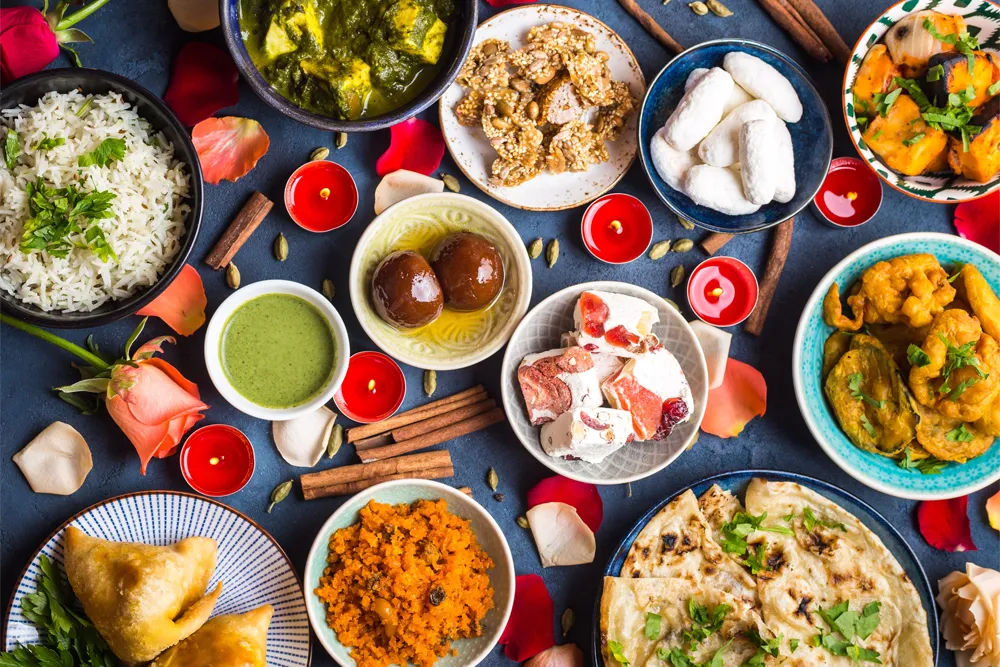
Global food prices climbed for the third month in a row in April 2026, with big jumps across major farm products, says the latest from the UN's Food and Agriculture Organization (FAO). Their Food Price Index hit 130.7 points on average—a 1.6% rise from March and the highest in over three years (though still not at 2022's crazy peaks).
Vegetable oils led the charge, shooting up nearly 6% thanks to tight supplies worldwide and spiking energy costs from geopolitical headaches messing with key routes like the Strait of Hormuz. Cereals like wheat and maize nudged up about 0.8%, rice went higher by 1.9% due to pricier production and shipping in exporter nations, and meat prices smashed a new record on strong demand and supply squeezes in big producing areas. Dairy dipped a bit, and sugar prices dropped as better global harvests loomed.
Experts point to shaky energy markets, pricey fertilizers, and weather woes hitting crops as the culprits. Farms have held up pretty well so far, but if these costs stick around, we could see them hit grocery bills soon. The FAO says supplies are steady enough, but those ongoing pressures mean food prices aren't coming down anytime soon, leaving shoppers and farmers in a tough spot.
Share this article
Article Info
Read Time
6 min read
Published
9 May 2026
Author
Megha Bajaj
Category
Rice News