Top rice news: Prices spike, Quality checks & Low-Emission Rice
Top rice news today highlights Rice prices in Bengaluru have increased by ₹6–10 per kg, adding to household expenses already stressed by increasing fuel and vegetable costs. At the same time, Indian agricultural exports are witnessing growing challenges as countries, including China and Japan tighten food safety and quality regulations. Since China has dismissed certain consignments of Indian chillies and non-basmati rice over compliance concerns, Japan has suspended fresh mango imports for the 2026 season. On the contrary, Vietnam is witnessing results from its low-emission rice farming initiatives. Pilot projects supported by the International Rice Research Institute (IRRI) have improved production, reduced production costs, increased farmer profits, and lowered greenhouse gas emissions.
Rice Prices Spike in Bengaluru, Adding Pressure on Household Budgets
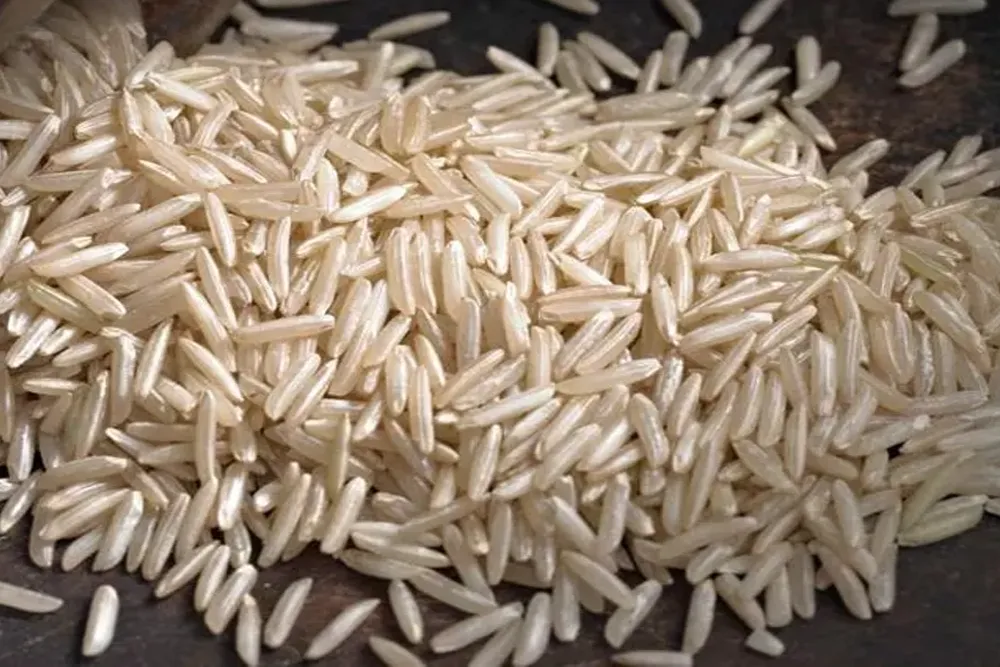
Amid the rise in petrol, diesel and vegetable prices, the prices of various rice varieties have also increased. The price has increased by Rs. 6 to 10 per kg of rice and by Rs. 150 per 25-26 kg bag, putting further burden on the pockets of consumers. The demand for rice in the market has increased, and the supply has decreased. The availability of rice in the local market has decreased as the central government has allowed rice to be exported to various countries. This is the reason why the price is increasing. Local traders have informed that the rice shortage is likely to continue until next November. The price of all types of rice, including Sona Masuri, steam rice, kolam and raw rice, has increased by Rs 6 to 10 per kg. The price of rice increased ten days ago. The price of a 26 kg bag of rice has increased by at least Rs 150. 'The rise in rice prices has not had much impact on business. Customers are expressing dissatisfaction and are inevitably buying rice at higher prices,' N. Sridhar, owner of Sri Gururaghavendra Traders in Girinagar, told 'Kannadaprabha'. Usually, the price of rice in summer increases by 1 to 2 rupees per kg. But this time, due to the deteriorating diplomatic situation globally and the Middle East conflict, the price of rice, like fuel, is also increasing. Sona steam rice has increased from 43 rupees to 49 rupees, and Sona raw rice from 52 rupees to 59 rupees. Due to increased rice exports to some countries, including Sri Lanka and a lack of inventory locally, the price in the Bengaluru market has increased slightly. Traders say that it is inevitable to wait until the new rice arrives in the market in October and November.
Global Quality Checks Put Indian Agri Exports Under Pressure
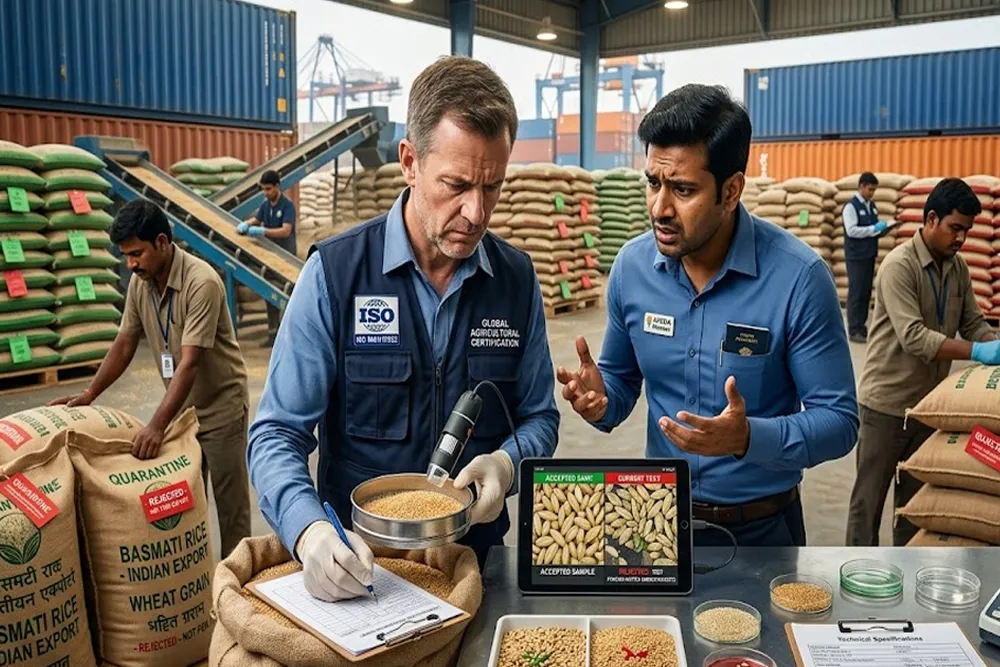
In the past couple of weeks, India's agricultural exports have been undergoing global scrutiny as major importing countries like Japan tighten checks on food safety and quality standards. This year, shipments of major commodities have faced relentless compliance challenges in the markets such as China, Japan and the European Union. These nations have raised fresh concerns for exporters already operating in the global trade environment. Significantly, China has dismissed at least three consignments of Indian dried red chillies and suspended Three exporters, after detecting excessive methamidophos residues. The action comes amid stricter inspection of pesticide compliance in agri imports. Notably, China is a major buyer of Indian chillies, particularly the Teja variety used for oleoresin extraction. Industry estimates suggest that a few rejections could affect the sector's reputation as global food safety checks tighten. China has rejected various consignments of Indian non-basmati rice, with reports connected to the action, including inspection-based compliance checks and alleged GMO-related findings. The developments come despite India maintaining that no genetically modified rice is commercially cultivated in the country. Trade reports indicate that shipments have faced rejection or voluntary holds amid tighter scrutiny of certification and inspection procedures across the export supply chain. Not only this, but Japan has also suspended imports of fresh Indian mangoes for the 2026 season after inspections identified deficiencies in pest-control and disinfection procedures at Vapour Heat Treatment (VHT) facilities during a March audit. The suspension has influenced major export varieties including Alphonso, Kesar, Langra and Banganapalli.
Vietnam’s Low-Emission Rice Farming Boosts Yields and Farmer Profits
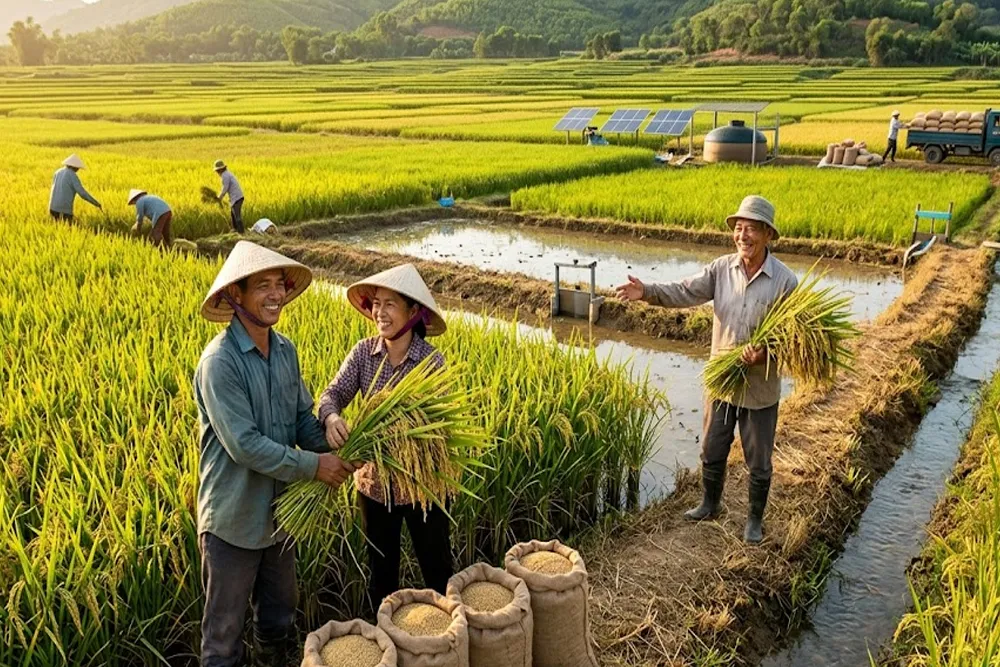
Currently, Low-emissions rice farming models being implemented in Hải Phòng City, as well as in Hưng Yên and Ninh Bình provinces, are showing positive signs. They not only decrease production costs and increase farmers’ profits, but also help in reducing greenhouse gas emissions and promote more sustainable agricultural development. The Department of Crop Production and Plant Protection held a conference in coordination with the International Rice Research Institute (IRRI), reviewing pilot rice cultivation models in the Red River Delta on Wednesday at the Hữu Chung Cooperative in Hải Phòng City’s Tân An Commune. Models under review focused on using fertilisers correctly and efficiently while achieving low emissions. Moreover, Participants at the conference evaluated the results of the first production season using the pilot models implemented in Hải Phòng, Hưng Yên and Ninh Bình under the Fertilise Right Project, with technical support from the US Department of Agriculture.
The models applied a range of advanced technical measures aimed at reducing emissions, including mechanised dry direct seeding in rows with fertiliser incorporation (mDSR), site-specific nutrient management using improved fertilisers, alternate wetting and drying water management, integrated pest management and rice straw management. The IRRI senior scientist Nguyễn Văn Hùng stated that initial results show that the model enhances production efficiency and lays the foundation for transitioning to low-emissions rice production.
Share this article
Article Info
Read Time
5 min read
Published
12 Jun 2026
Author
Megha Bajaj
Category
Rice News