Top Rice Prices: NK Prices, Retain Inflation And Wildlife
Top rice news today covers how rice prices in North Korea have risen in early October 2026, but corn prices and the Chinese yuan declined. The next update covers how rising fine rice prices in Tamil Nadu are pushing retail inflation to 6.81%. Lastly, how an Italian farmer transform the rice fields into wildlife.
NK Rice Prices Rise as Corn and Chinese Yuan Fall
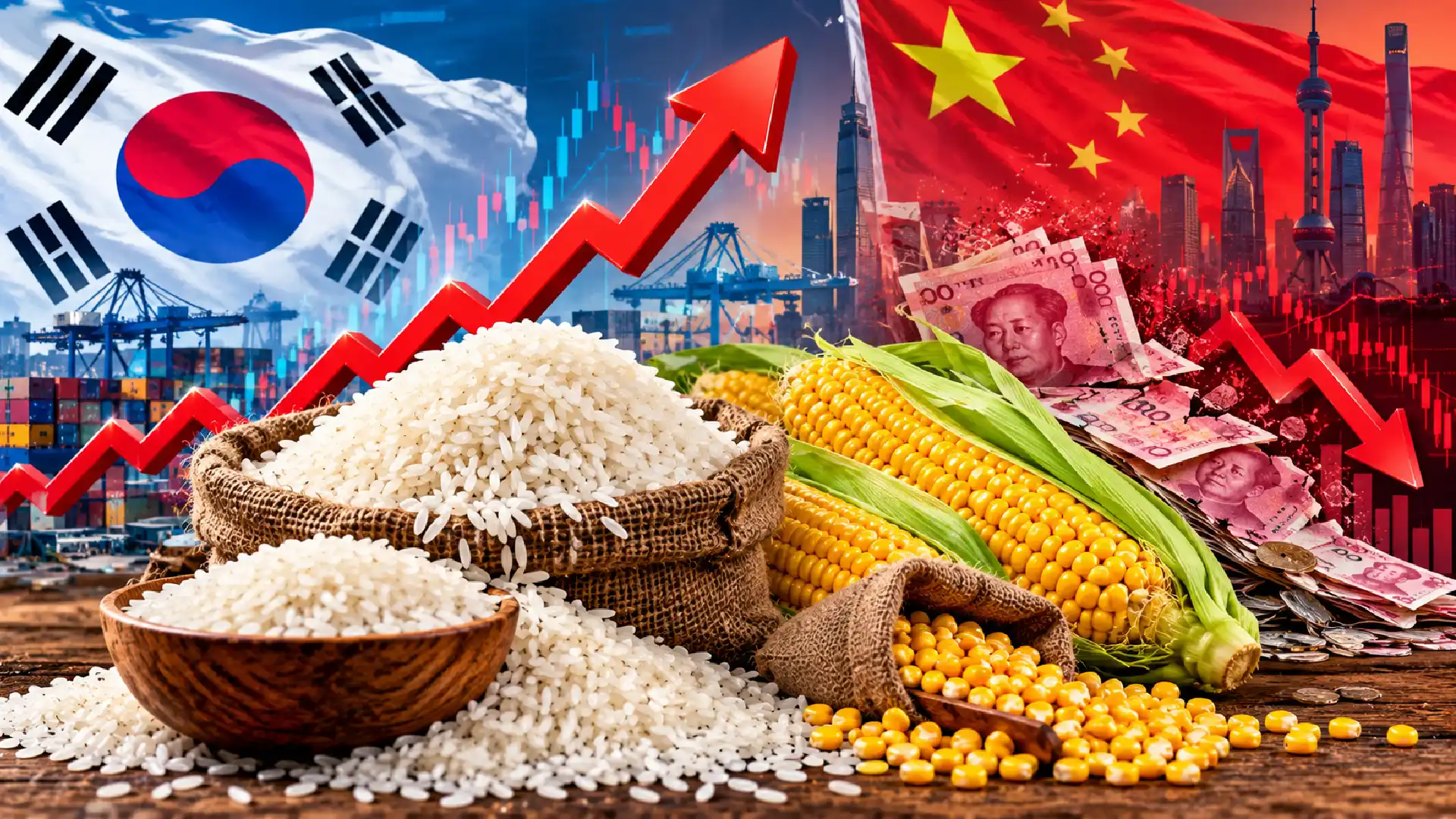
Rice prices in North Korea increased in early October 2026, whereas corn prices and the Chinese yuan declined. It highlights contrasting trends in the country’s food and currency markets. The Daily NK said rice prices in Pyongyang rose 6.6% because the new rice harvest had not yet reached markets in sufficient quantities. The limited availability of rice contributed to higher prices, which placed additional pressure on consumers who depend on the staple food. On the contrary, corn prices dropped by 9.2%, supported by increasing supplies from the harvest. Not only this, but the Chinese yuan also weakened. These developments highlight the impact of seasonal harvest patterns, market access, and currency movements on prices. These trends in rice and corn show challenges facing North Korea’s food markets.
Rising Fine Rice Prices in Tamil Nadu Push Retail Inflation to 6.81%
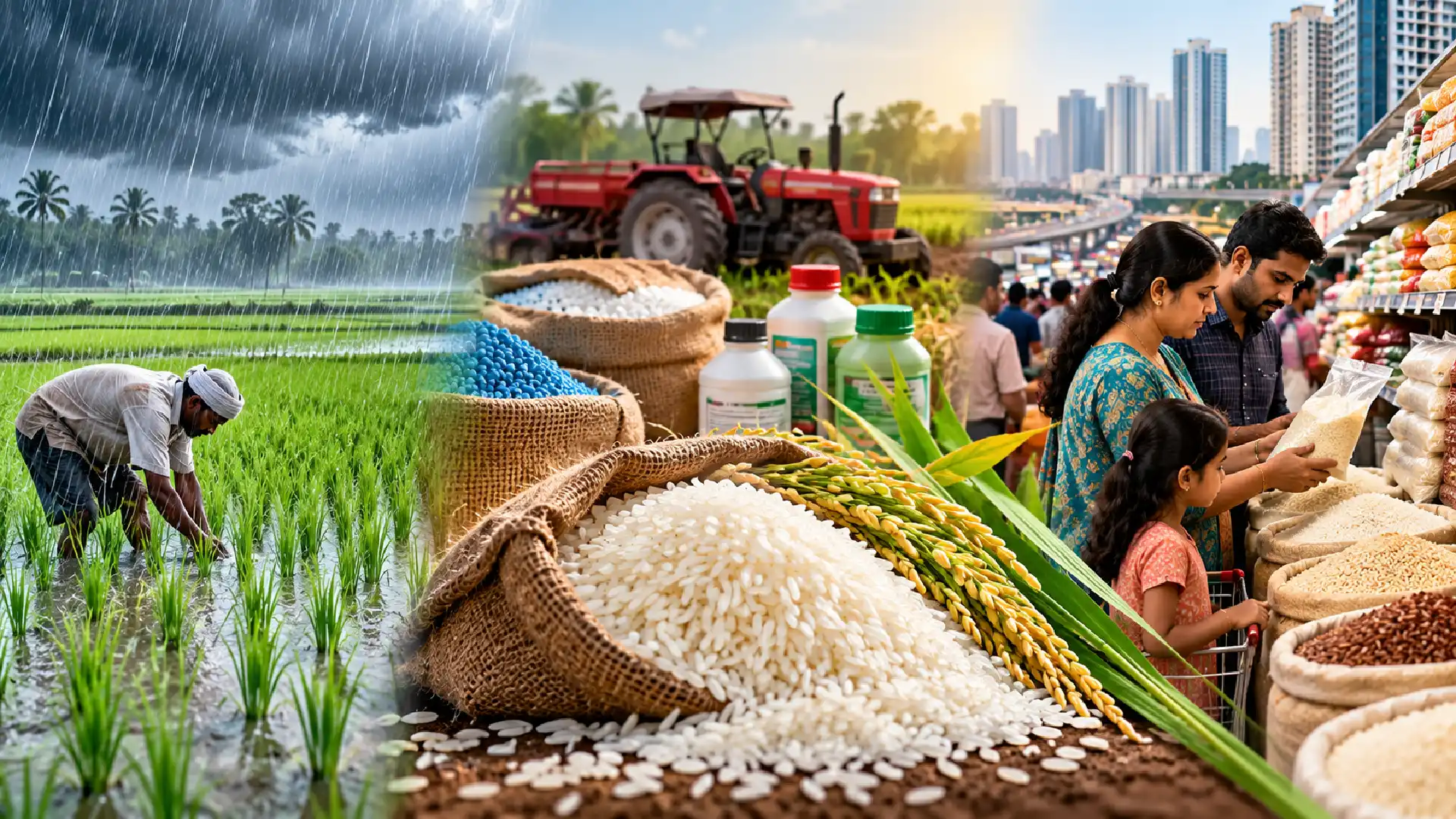
According to media reports, Tamil Nadu’s retail inflation reached 6.81% in September 2026. It is driven partly by rising prices of fine rice varieties. Prices of the popular Sanna rice variety increased from nearly ₹50–60 per kilogram to ₹70–90 per kilogram. It has put pressure on household budgets. Several factors have contributed to the increase, including reduced supplies from neighbouring states, deficient monsoon rainfall, higher agricultural input costs, and strong urban demand. Limited local production and seasonal shortages have further tightened market availability. Particularly, the price rise is significant for consumers who purchase fine rice for daily consumption. Moreover, higher food costs can decrease household buying power and increase pressure on living expenses. The situation highlights the importance of boosting agricultural supply chains, enhancing weather stability, and monitoring market conditions. In addition, ensuring adequate supplies could help moderate price changes and protect consumers from sustained increases in essential food prices.
Italian Farmer Transforms Rice Fields into a Wildlife. Here’s How?
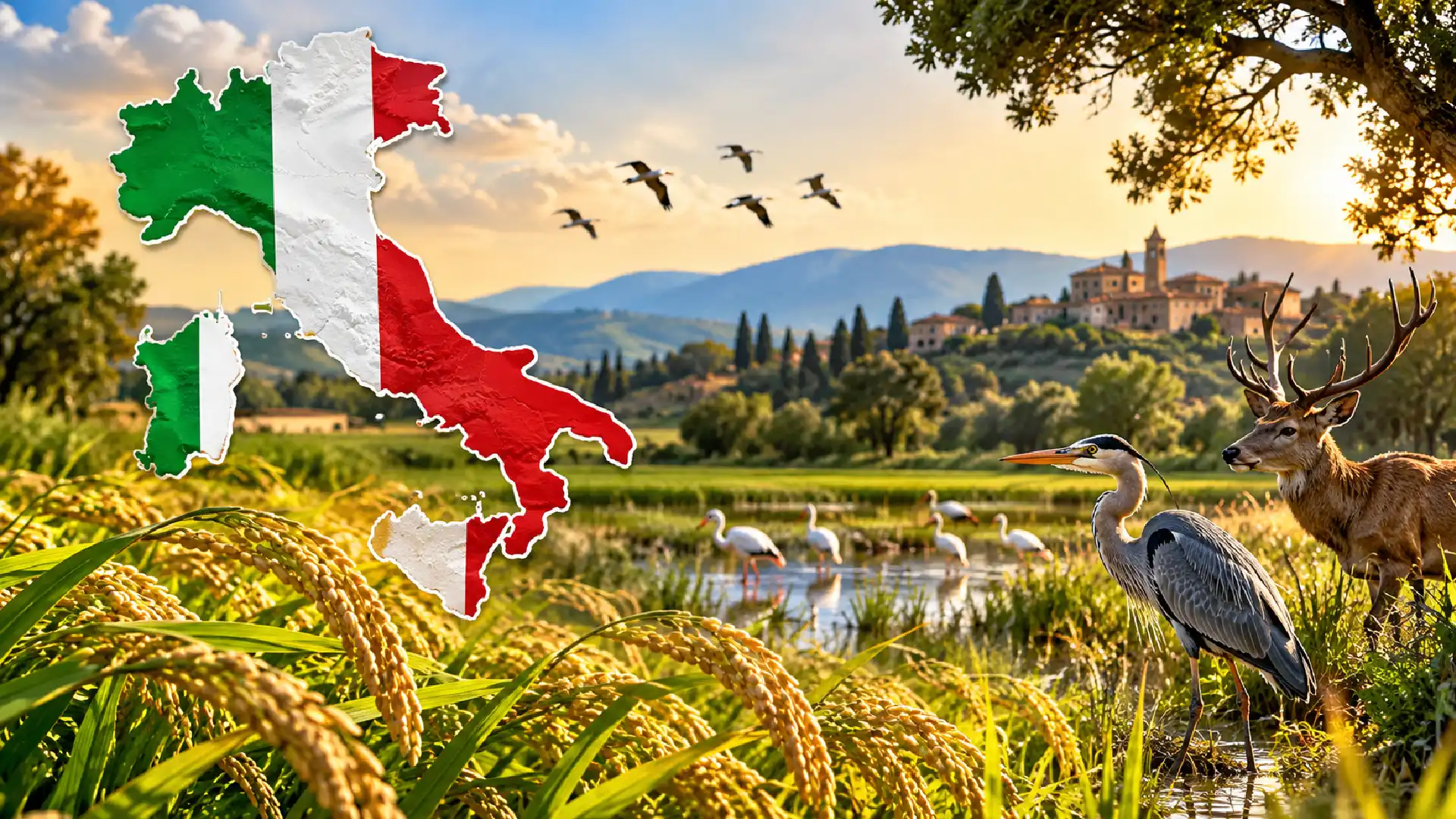
Italian rice farmer Alice Cerutti has transformed nearly one-third of her 110-hectare farm in northwestern Italy into a wildlife sanctuary. It demonstrates how agriculture can exist with biodiversity conservation. She has created habitats that support wildlife and boost the ecological value of farmland By restoring wetlands and planting more than 10,000 native trees and plants. Her initiative has established Italy’s only recorded nesting site for the rare black-tailed godwit, a bird associated with wetland environments. In addition, the project highlights sustainable land management to protect threatened species while maintaining agricultural activity. Not only this, but it also offers lessons for rice-producing countries such as India, where farming landscapes could include wetland restoration, native vegetation, and bird-friendly practices. But such initiatives require planning and support to protect farmers’ incomes. Financial incentives, technical guidance, and collaboration of agricultural researchers could encourage wider adoption of wildlife-friendly farming.
Share this article
Article Info
Read Time
3 min read
Published
16 Oct 2026
Author
Megha Bajaj
Category
Rice News