Top Rice News: Myanmar Earns, Iran’s Rice and India Prices
Top rice news today covers how Myanmar earns $338 million rice exports. Iran’s efforts to develop drought-resistant rice varieties, and rising food costs increase home-cooked meal costs in India. These rice stories shed light on international rice trade, agriculture and increasing prices of onions, rice, edible oil, and LPG are shaping food security, agricultural sector, and household budgets.
Myanmar Earns $338 Million from Rice Exports. Here’s How?
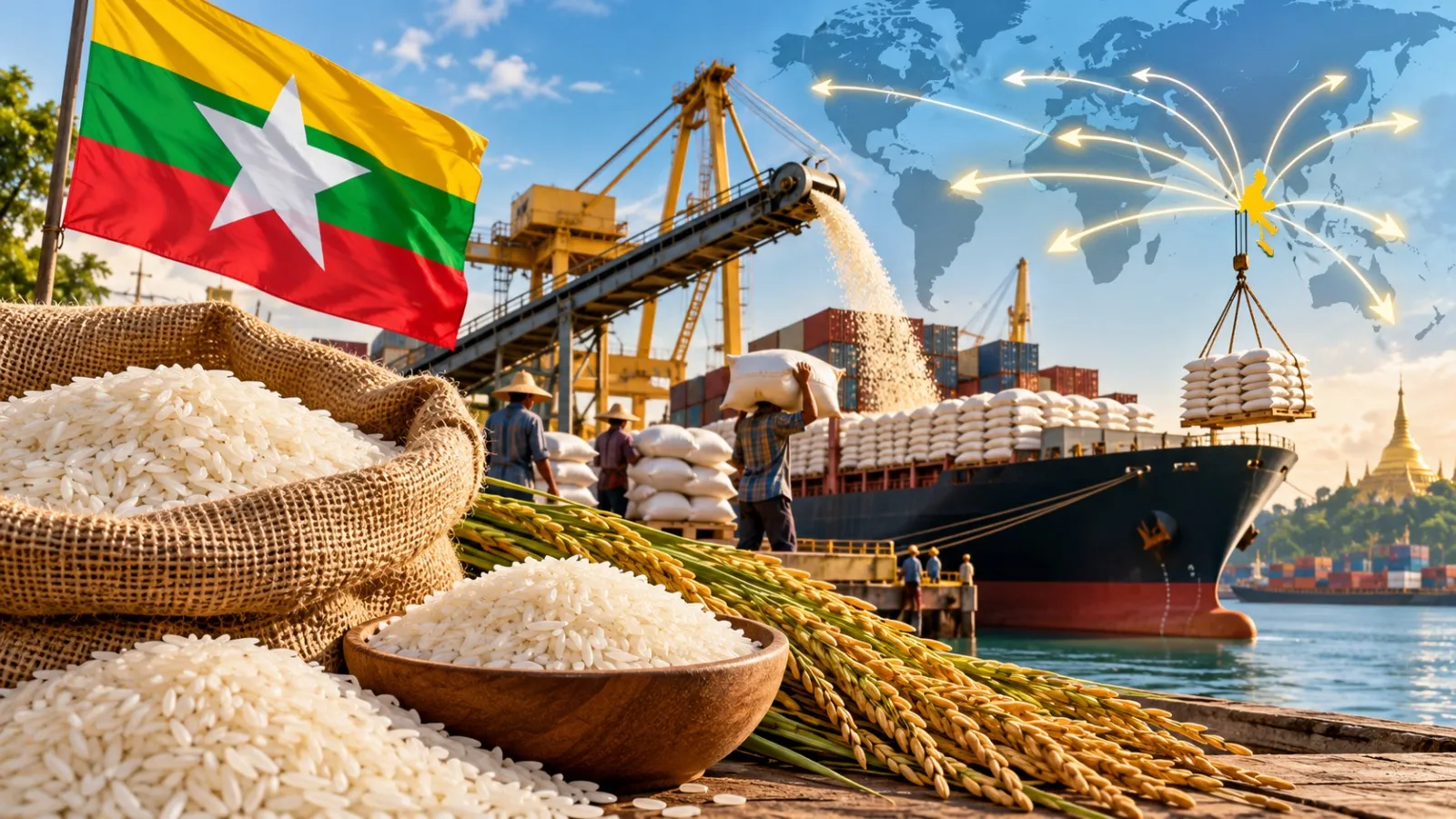
According to the Myanmar Rice Federation, Myanmar earned approximately US$338 million from exporting 971,662 tonnes of rice and broken rice between April and September 2026. As this earnings highlight the importance of rice exports to the country’s agricultural trade and economy.
Currently, Myanmar is now aiming to export three million tonnes of rice and broken rice during the 2026–27 financial year, with a revenue target of nearly US$1.179 billion. Moreover, achieving this goal will depend on production levels, international demand, and the country’s ability to supply overseas markets. Rice exports also support businesses related to processing, transportation, and trade, creating opportunities in the agricultural value chain. The latest figures underline Myanmar’s ambition to boost its presence in international rice markets and increase earnings from one of its key agricultural commodities.
What’s Special About Iran’s Newly Developed Rice Varieties?
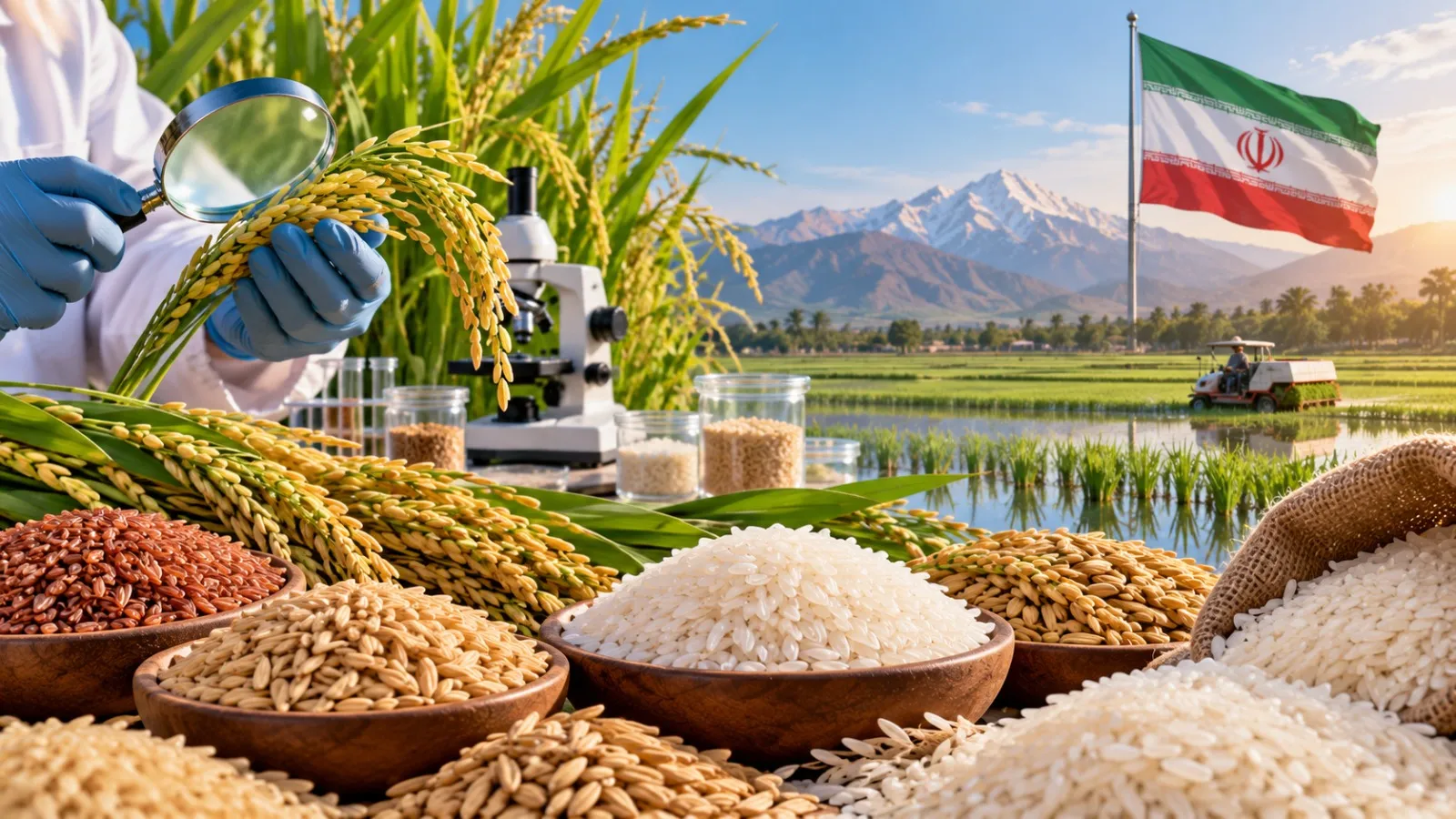
Iran is developing rice varieties which could be adapted to drought conditions. Since the country is facing water scarcity becomes a growing challenge for agriculture. The research aims to help farmers in maintaining rice production when water supplies are limited, boosting agricultural resilience and supporting long-term food security.
Undoubtedly, rice cultivation requires sufficient water, making drought a serious concern for farmers in water-stressed regions. Generally, developing varieties that perform better under limited-water conditions could help reduce production risks and enhance the reliability of harvests. Such innovations are important as changing weather patterns place additional pressure on agricultural systems.
However, new rice varieties must be evaluated for their yield, quality, and performance under real farming conditions before their benefits can be taken. The initiative reflects a broader effort to develop climate-resilient crops that can support farmers facing environmental challenges. Iran hopes to strengthen agricultural sustainability and protect future food supplies by enhancing the ability of rice to cope with water shortages.
Why Do Rising Food Prices Increase Home-Cooked Meal Costs in India?
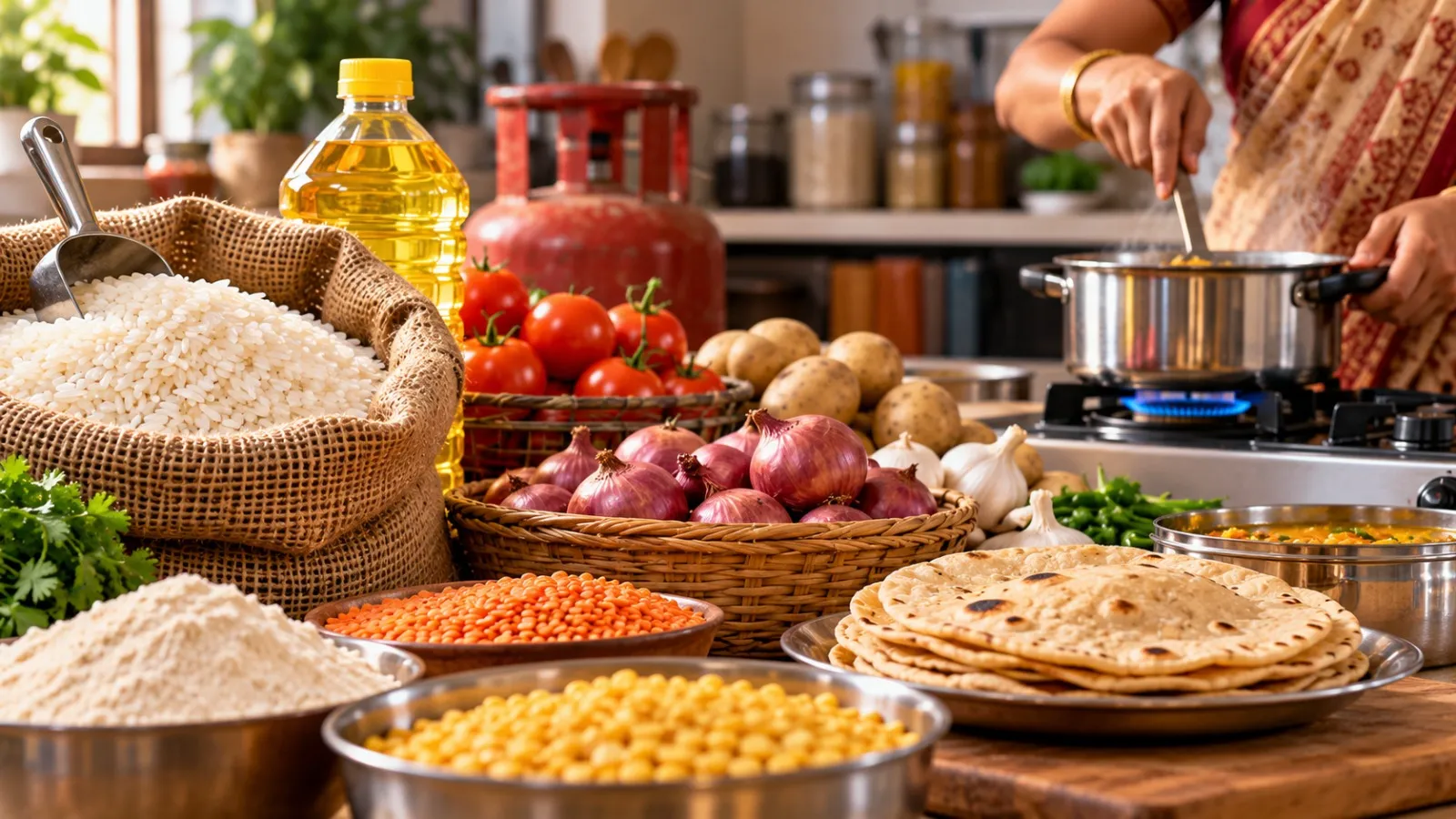
The cost of preparing meals at home in India rose in September 2026 as high prices for onions, rice, edible oil, and cooking gas put pressure on household budgets. According to a particular report, the cost of a vegetarian thali increased 10% year-on-year, whereas a non-vegetarian thali became 6% more expensive.
Onion prices increased 89% to ₹53 per kilogram. In addition, rice prices increased 8% year-on-year amid expectations of a 5–6% decrease in paddy production. Edible oil prices rose 12%, while LPG costs remained 10% high.
Besides that, delayed Kharif crop arrivals, tighter inventories, weather-related production risks, and elevated global commodity prices are contributing to the pressure. Experts expects household meal costs to remain high, although fresh crop arrivals could provide some relief later in the season. The developments highlight how agricultural supply constraints can directly impact the budgets for Indian families.
Share this article
Article Info
Read Time
3 min read
Published
9 Oct 2026
Author
Megha Bajaj
Category
Rice News